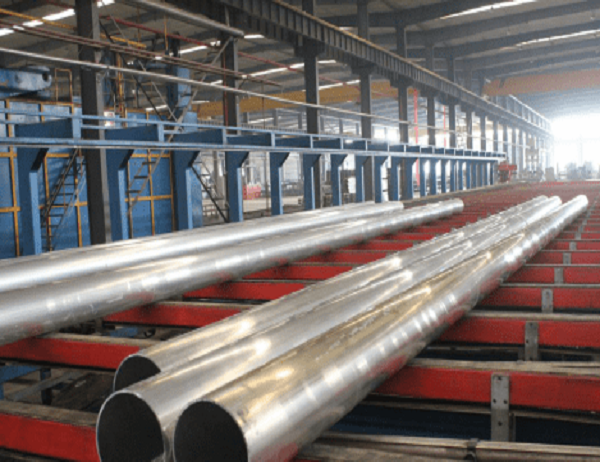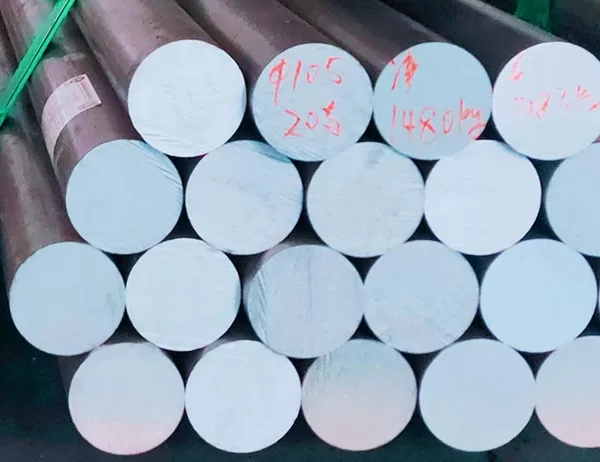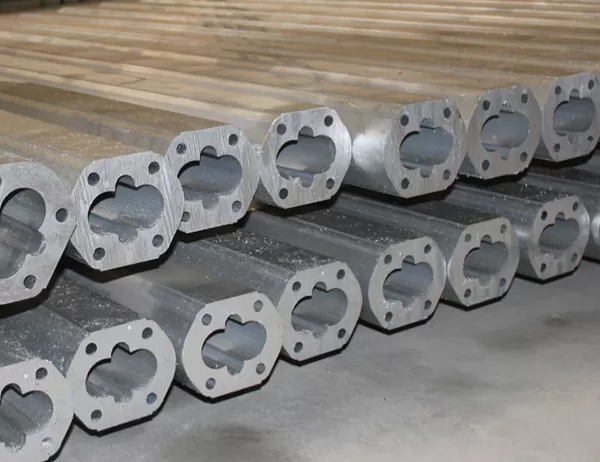
In an era characterized by rapid industrial advancements, aluminum tubes have emerged as indispensable components across diverse sectors, from aerospace and automotive to construction and energy. As the demand for these versatile tubes surges, discerning buyers are compelled to meticulously scrutinize potential suppliers’ quality standards to ensure the integrity and reliability of their products.
Key Considerations:
Material Composition and Certifications:
Demand aluminum tubes that adhere to established industry standards and are made from high-quality, certified materials. Verify the supplier’s compliance with relevant specifications such as ASTM and EN, ensuring the purity and alloy composition meet your specific requirements.
Dimensional Accuracy and Tolerances:
Precision is paramount in aluminum tubes. Evaluate the supplier’s capabilities in maintaining precise dimensions and tolerancing throughout the manufacturing process. Inconsistencies in wall thickness, diameter, or length can compromise the integrity and performance of the final product.
Mechanical Properties:
The mechanical properties of aluminum tubes, including tensile strength, yield strength, and elongation, directly influence their load-bearing capacity and durability. Request data sheets and certifications that document the supplier’s ability to meet or exceed industry standards for these critical properties.
Surface Quality and Finishing:
The surface quality of aluminum tubes plays a vital role in corrosion resistance, aesthetics, and performance. Examine the supplier’s capabilities in providing a variety of surface finishes, including anodized, polished, and coated, to meet the specific requirements of your application.
Production Process and Equipment:
Inquire about the supplier’s production process and equipment to assess their commitment to quality. Modern extrusion, drawing, and finishing technologies contribute significantly to the consistency and reliability of aluminum tubes.
Quality Control and Inspection:
A rigorous quality control system is non-negotiable. Evaluate the supplier’s inspection protocols, including non-destructive testing (NDT) methods, to ensure they can detect and reject any defects or imperfections.
Industry Reputation and References:
Seek recommendations and testimonials from previous customers to gauge the supplier’s track record of quality and customer satisfaction. Positive feedback and long-standing partnerships are strong indicators of a dependable supplier.
Sustainability and Environmental Compliance:
In today’s environmentally conscious world, responsible aluminum tube suppliers prioritize sustainability. Ensure the supplier is committed to reducing their carbon footprint, minimizing waste, and adhering to environmental regulations.
By carefully evaluating these key considerations, buyers can identify reputable aluminum tube suppliers who consistently deliver high-quality products that meet their exacting specifications. This due diligence ensures the integrity and performance of critical components in diverse industries, ultimately contributing to the success and safety of their operations.