How to Handle and Store Aluminum Tubes Properly: A Comprehensive Guide
Introduction:
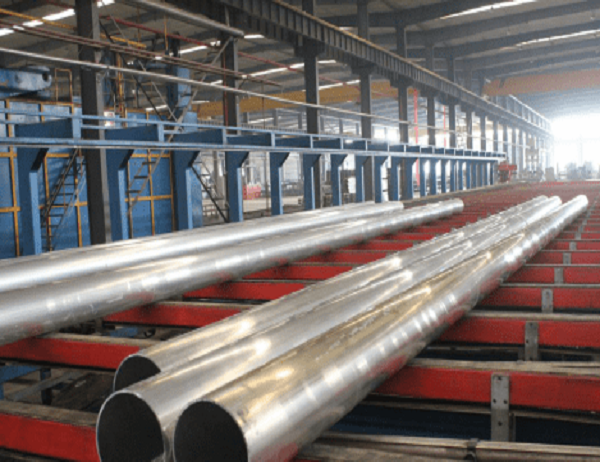
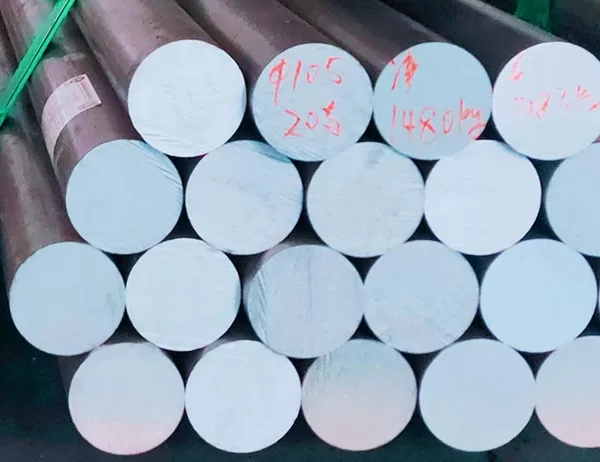
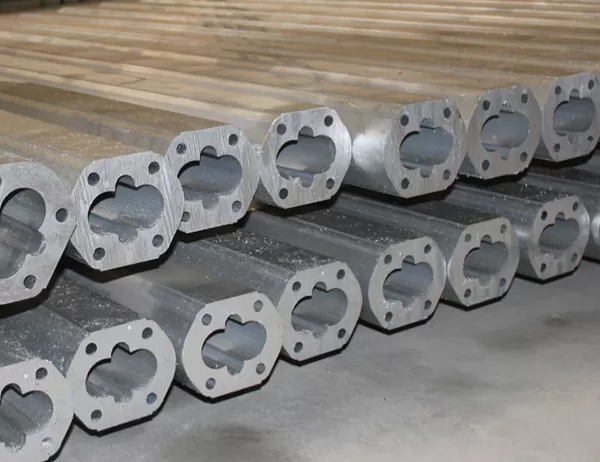
In the realm of industrial and scientific applications, aluminum tubes reign supreme as indispensable components. Their exceptional strength-to-weight ratio, corrosion resistance, and malleability make them the material of choice for numerous industries. However, to ensure their optimum performance and longevity, it is imperative to handle and store these tubes with utmost care and precision.
Proper Handling:
1. Use Gloves: Aluminum tubes can be delicate, especially when handling thin or small-diameter tubes. Always wear clean, non-abrasive gloves to prevent fingerprints, scratches, or contamination.
2. Avoid Bending or Kinking: Excessive bending or kinking can weaken the tube’s structural integrity. Handle the tube by both ends and support it along its length, especially when it is long.
3. Use a Tube Cutter: Cutting aluminum tubes cleanly and precisely is crucial for proper fitting. Utilize a dedicated tube cutter that ensures a burr-free cut, preventing damage to the tube or connected components.
Storage Considerations:
1. Dry and Cool Environment: Store aluminum tubes in a clean, dry, and temperature-controlled environment. Avoid areas with excessive humidity or temperature fluctuations, which can lead to corrosion or oxidation.
2. Protect from Elements: Shield the tubes from direct sunlight, rain, and other environmental factors. Store them in a covered or indoor facility to prevent degradation.
3. Proper Packaging: Pack the tubes carefully using non-abrasive materials such as foam or bubble wrap. Secure them securely to prevent movement during storage or transportation.
Additional Tips:
1. Label Tubes: Clearly label each tube with its contents, size, and date of manufacture. This simplifies identification and inventory management.
2. Inspect Regularly: Periodically inspect the tubes for any signs of damage, corrosion, or contamination. Promptly address any issues to ensure continued performance.
3. Consider Protective Coatings: For applications involving harsh environments or aggressive fluids, consider applying protective coatings or passivation treatments to enhance the tubes’ resistance to corrosion and external factors.
Conclusion:
Proper handling and storage of aluminum tubes not only extends their lifespan but also ensures their optimal performance. By adhering to the guidelines outlined in this comprehensive guide, you can protect these valuable components from damage, contamination, and premature failure. Remember, attention to detail and a commitment to proper handling and storage are essential elements in ensuring the success of your aluminum tube-based applications.