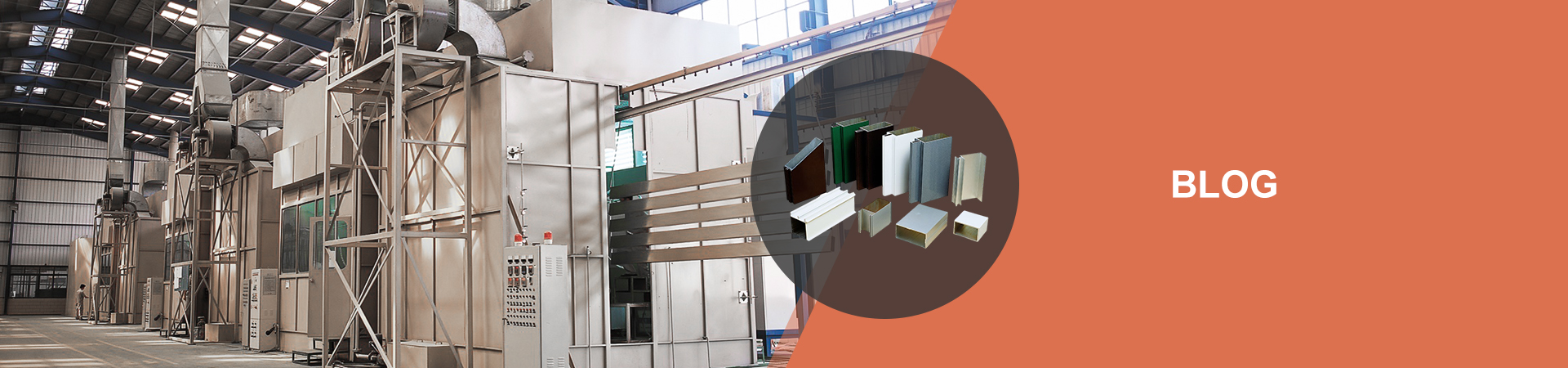
Aluminum furniture profiles offer a multitude of advantages, making them a versatile and desirable choice for both residential and commercial interior designs. This comprehensive guide will explore the various ways to seamlessly integrate aluminum furniture profiles into your existing designs, enhancing their aesthetics, durability, and functionality.
Aluminum furniture profiles provide exceptional flexibility in terms of design customization. They can be tailored to complement a wide range of interior design styles, from contemporary to classic. Available in various finishes, including anodized, brushed, or powder-coated, aluminum profiles can be matched to existing furniture, hardware, and decor to create a cohesive and harmonious space.
Beyond their aesthetic appeal, aluminum furniture profiles also offer significant functional benefits. Their inherent strength and durability make them ideal for high-traffic areas or applications requiring load-bearing capacity. Aluminum profiles can be used to create sturdy structures, stable frameworks, and durable supports for various furniture pieces.
One of the key advantages of using aluminum furniture profiles is their ability to be customized to specific dimensions. This flexibility allows designers to create furniture that fits perfectly within existing spaces or accommodate unique requirements. Profiles can be cut, bent, and assembled to form precise shapes and sizes, ensuring a seamless integration with existing designs.
Aluminum furniture profiles can be effortlessly integrated with technology to enhance user experience and comfort. They can accommodate built-in lighting, charging stations, or other technological features, offering both functionality and aesthetic appeal. By seamlessly blending technology into the furniture design, designers can create highly functional and user-friendly spaces.
In addition to their primary structural use, aluminum furniture profiles can serve as decorative accents and enhance the overall design aesthetics. They can be used to create stylish borders, frames, or decorative inlays, adding visual interest and depth to existing furniture pieces. By incorporating aluminum profiles as decorative elements, designers can create bespoke and eye-catching designs that leave a lasting impression.
Incorporating aluminum furniture profiles into existing designs offers a transformative and versatile approach to interior design. With their customizable aesthetics, enhanced functionality, flexible dimensions, technological integration, and decorative versatility, aluminum profiles empower designers to elevate existing spaces, create unique designs that stand out, and enhance the user experience. As a result, aluminum furniture profiles have become an indispensable tool for designers seeking to create stunning and enduring interiors.