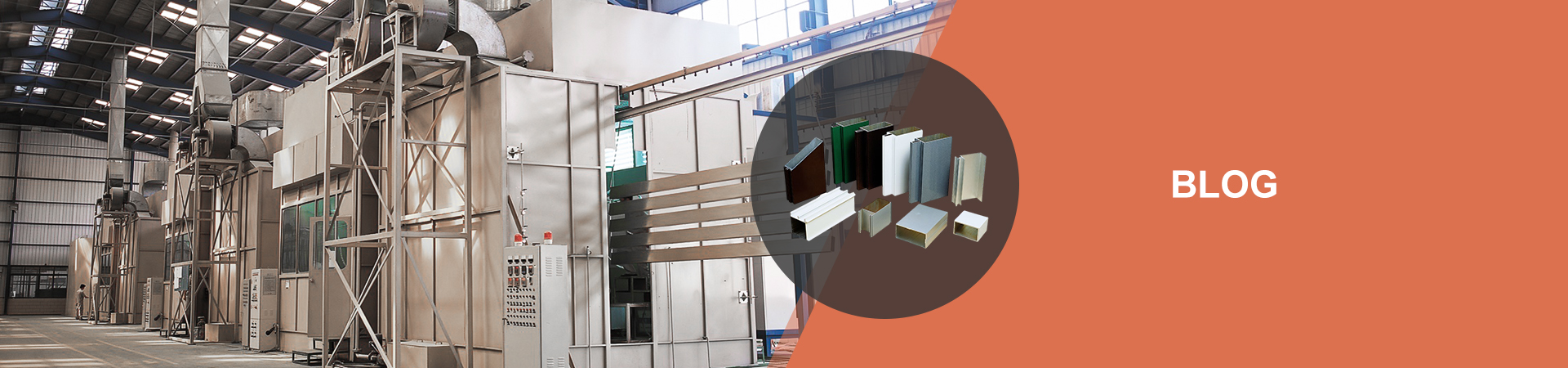
In the realm of industrial design, aluminum extrusion pipes have emerged as versatile and innovative materials. Their exceptional strength, lightweight properties, and corrosion resistance make them ideal for a wide range of applications. By incorporating aluminum extrusion pipes into your designs, you can unlock numerous benefits and elevate the functionality and aesthetics of your products.
Aluminum extrusion pipes are renowned for their exceptional strength-to-weight ratio. They offer high tensile and yield strength, allowing them to withstand significant loads without compromising their structural integrity. This attribute makes them ideal for applications requiring both strength and weight reduction, such as structural supports, automotive components, and aerospace structures.
The lightweight nature of aluminum extrusion pipes is a significant advantage. Compared to materials like steel or cast iron, aluminum pipes are significantly lighter, reducing the overall weight of products. This lightness enhances portability, facilitates handling, and lowers transportation costs, making them suitable for industries such as construction, furniture, and consumer electronics.
Aluminum extrusion pipes exhibit excellent corrosion resistance due to their natural oxide layer. This layer protects the metal from harsh environmental conditions, including exposure to water, acids, and alkaline substances. As a result, aluminum pipes are ideal for applications in marine, chemical processing, and food-handling industries where corrosion resistance is crucial.
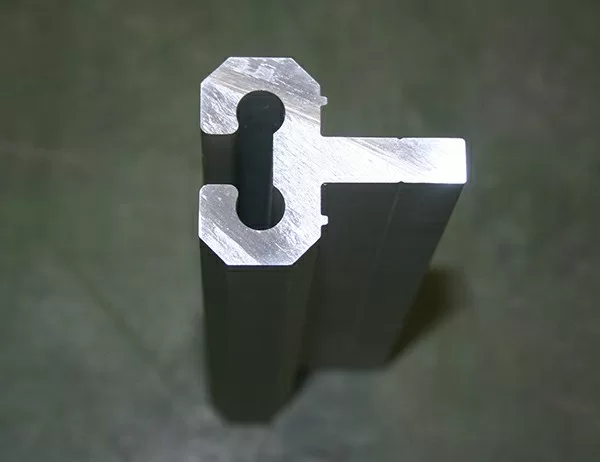
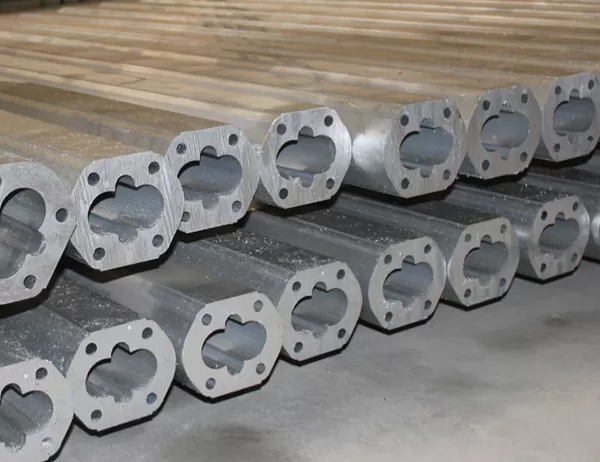
Aluminum extrusion pipes offer a high degree of customization, enabling engineers to design complex shapes and geometries not possible with conventional manufacturing methods. Extrusion processes allow for the creation of intricate cross-sections, hollow profiles, and various lengths, providing designers with unparalleled flexibility to meet specific application requirements.
When integrating aluminum extrusion pipes into your designs, several key considerations should be addressed:
Material Selection: Choose the appropriate aluminum alloy based on strength, corrosion resistance, and weight requirements.
Dimensioning and Tolerances: Determine the desired dimensions, tolerances, and surface finish to ensure proper fit and function.
Jointing Methods: Consider using welding, adhesives, or mechanical fasteners to connect pipes securely and efficiently.
Finishing Options: Explore various surface treatment options, such as anodizing, powder coating, or painting, to enhance aesthetics and protect against wear and tear.
Integrating aluminum extrusion pipes into your designs offers numerous advantages, including strength, lightness, corrosion resistance, customization, and flexibility. By understanding the properties and design considerations of aluminum extrusion pipes, you can leverage their capabilities to create innovative and high-performance products that meet the demands of modern industrial applications.