Incorporating extruded aluminum tubes into your designs offers a myriad of advantages, including durability, versatility, and cost-effectiveness. This comprehensive guide will provide you with an in-depth understanding of how to effectively integrate these tubes into your projects.
Design Considerations
When integrating extruded aluminum tubes, it is crucial to consider the following design factors:
Wall Thickness: Extruded aluminum tubes come in various wall thicknesses, from thin-walled to thick-walled. The thickness you choose will depend on the application’s weight-bearing requirements and structural integrity.
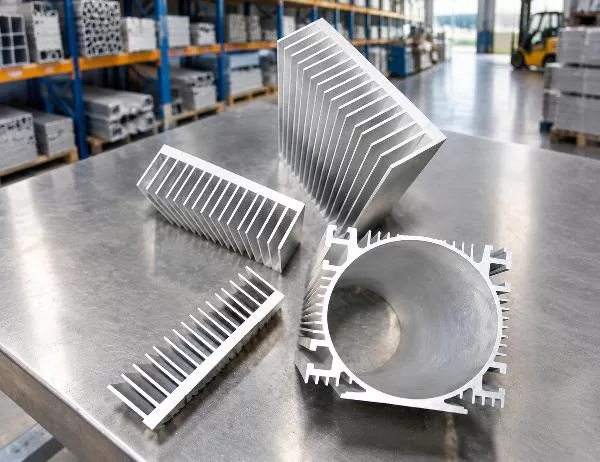
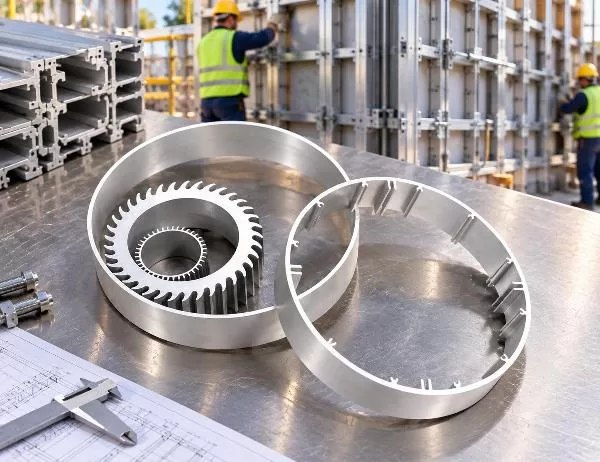
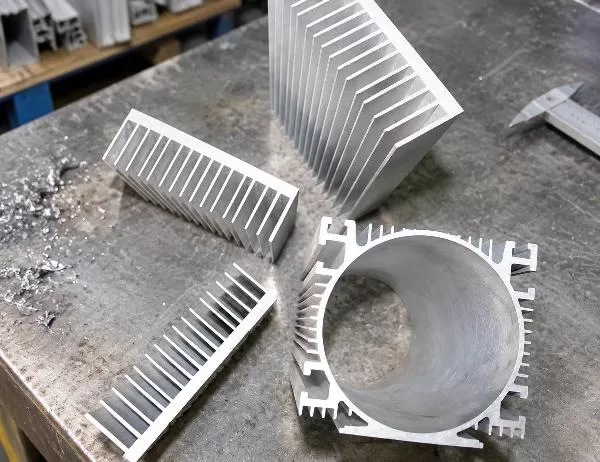
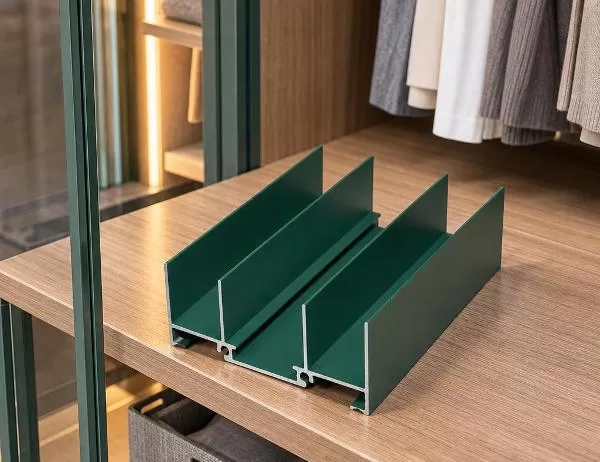
Cross-sectional Shape: Aluminum tubes are available in a wide range of cross-sectional shapes, including round, square, rectangular, and oval. The shape you select should align with the aesthetic and functional needs of your design.
Length: Extruded aluminum tubes can be customized to meet your specific length requirements. However, it is important to consider the manufacturing limitations and potential transportation constraints.
Fabrication Techniques
Extruded aluminum tubes can be fabricated using various techniques, including:
Cutting: Aluminum tubes can be cut using saws or water jets to create desired lengths and shapes.
Bending: You can use a tube bender to bend and shape aluminum tubes to create curves and angles.
Welding: Aluminum tubes can be welded together using various techniques, such as MIG welding or TIG welding, to create complex structures.
Extrusion: This process involves passing aluminum through a die to create custom shapes and cross-sections.
Applications
Extruded aluminum tubes find applications in various industries, including:
Automotive: Frames, bumpers, and interior components
Construction: Structural supports, handrails, and curtain walls
Industrial: Machineries, conveyors, and piping systems
Consumer Products: Sporting goods, furniture, and appliances
Benefits of Integrating Aluminum Tubes
Lightweight: Aluminum is an extremely lightweight material, making it ideal for applications where weight is a concern.
Durable: Extruded aluminum tubes possess exceptional strength and durability, providing long-lasting performance.
Corrosion Resistant: Aluminum is naturally corrosion-resistant, making it suitable for outdoor applications and harsh environments.
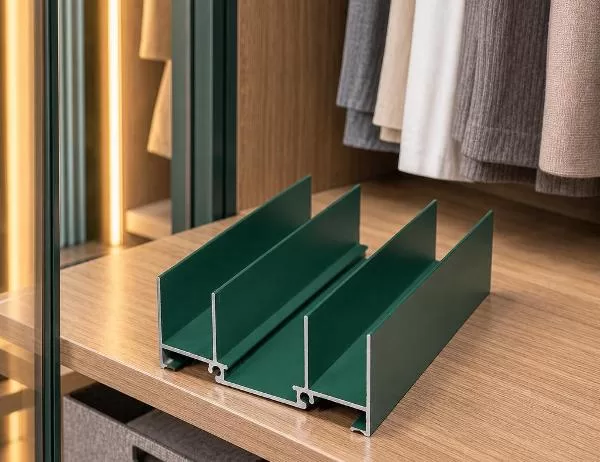
Versatile: The wide range of sizes, shapes, and finishes allows for customization to meet specific design requirements.
Cost-Effective: Compared to other materials, extruded aluminum tubes offer a cost-effective solution without compromising quality.
Conclusion
By following these guidelines, you can successfully integrate extruded aluminum tubes into your designs. These versatile and durable components offer numerous benefits, including lightweight, strength, corrosion resistance, and cost-effectiveness. Embrace the possibilities of aluminum tubes to enhance the functionality, aesthetics, and longevity of your projects.