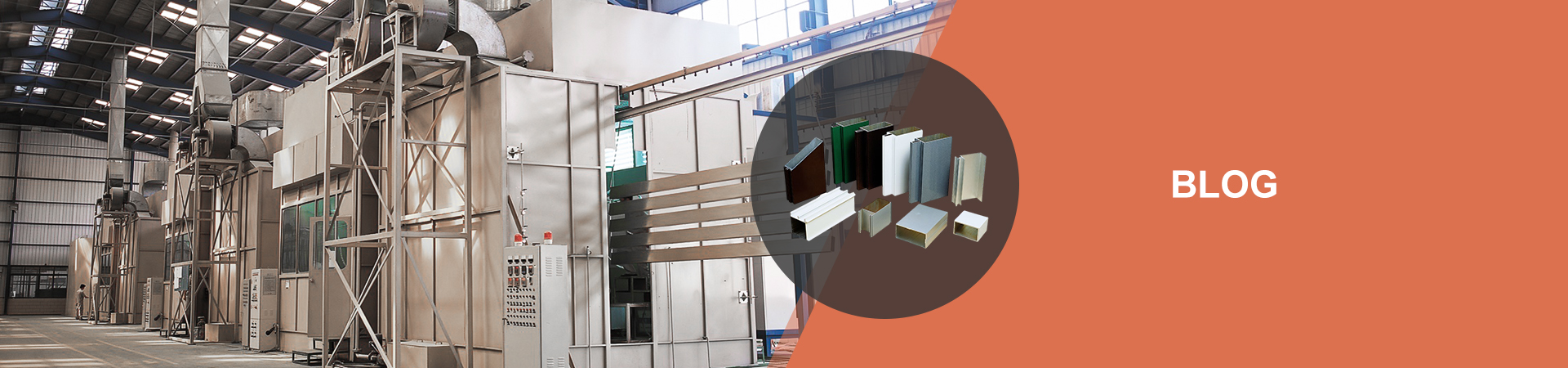
How to Integrate Industrial Aluminum Profiles into Your Production Systems: A Comprehensive Guide
In today’s competitive manufacturing landscape, optimizing production systems is crucial for efficiency, cost reduction, and quality. Industrial aluminum profiles offer a versatile solution to streamline processes, enhance productivity, and drive innovation. This guide provides a comprehensive overview of how to effectively integrate industrial aluminum profiles into your production systems.
Benefits of Industrial Aluminum Profiles
Lightweight and Durable: Aluminum profiles are lightweight yet robust, enabling the construction of high-performance systems with minimal weight impact.
Corrosion Resistance: Aluminum’s innate corrosion resistance ensures longevity and reliability even in harsh environments.
Customizability: Aluminum profiles can be customized to meet specific design and functional requirements, allowing for tailored solutions.
Versatility: Aluminum profiles find applications in various industries, including automotive, electronics, aerospace, and medical.
Selection and Design
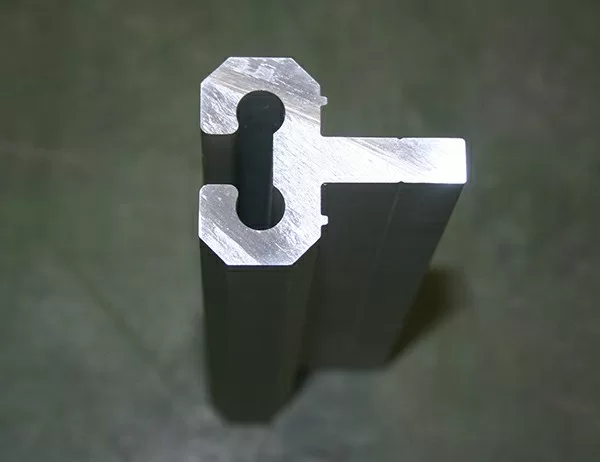
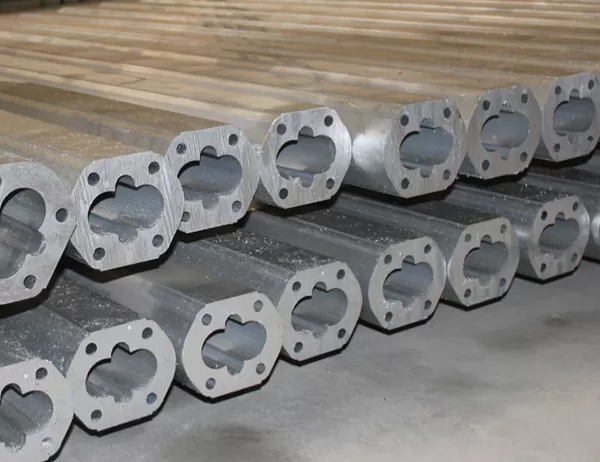
Selecting the appropriate aluminum profiles involves considering load requirements, desired strength-to-weight ratio, and corrosion resistance. Custom profiles can be designed to meet unique specifications, such as complex shapes, intricate extrusions, and surface treatments.
Integration Process
1. Design and Engineering
Collaborate with engineers to design an efficient system layout using aluminum profiles.
Optimize profile sizes and configurations to minimize material usage while maintaining structural integrity.
Plan for proper assembly and fastening methods.
2. Fabrication and Assembly
Fabricate aluminum profiles using precision cutting, bending, and welding techniques.
Utilize specialized connectors, brackets, and fasteners to assemble profiles securely.
Ensure proper alignment and tolerances for optimal functionality.
3. Surface Treatment
Select surface treatments such as anodizing, powder coating, or painting to enhance corrosion resistance, aesthetics, and wear resistance.
Consider the specific environment and desired appearance when choosing surface treatments.
4. Installation and Commissioning
Install the aluminum-based system in the designated location and ensure proper anchoring and support.
Commission the system by conducting necessary tests and calibrations to verify performance and safety.
Train personnel on proper operation and maintenance procedures.
Maintenance and Inspection
Regular maintenance and inspection are essential for ensuring the longevity and reliability of aluminum systems. Monitor for signs of corrosion, wear, or damage. Clean and lubricate components as per manufacturer’s recommendations. Conduct periodic inspections to identify potential issues and address them promptly.
Integrating industrial aluminum profiles into your production systems can significantly enhance efficiency, reduce costs, and drive innovation. By carefully selecting, designing, and integrating aluminum profiles, manufacturers can optimize their processes and gain a competitive edge in today’s demanding manufacturing environment.