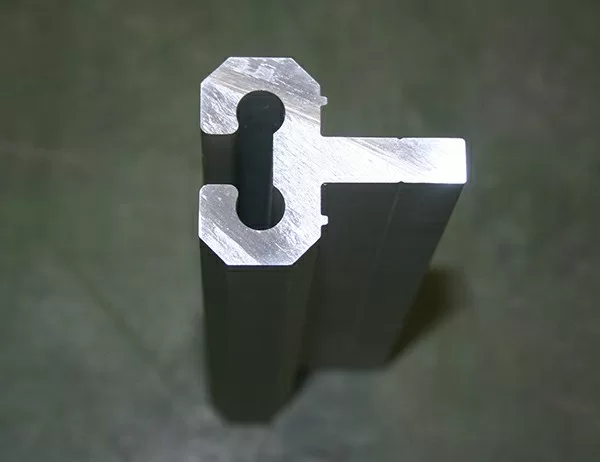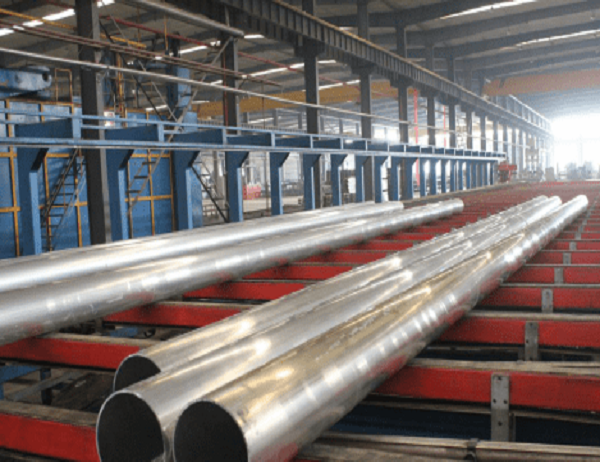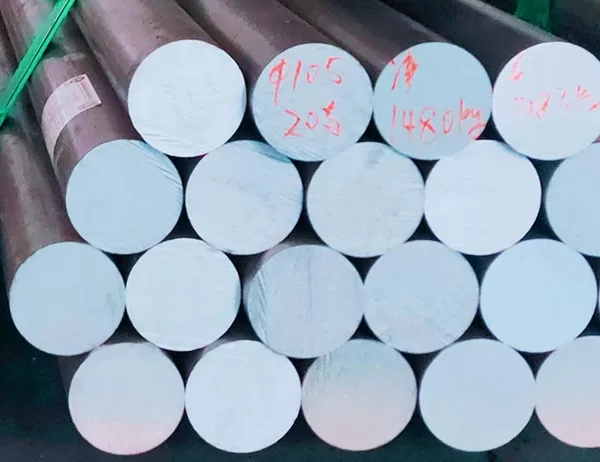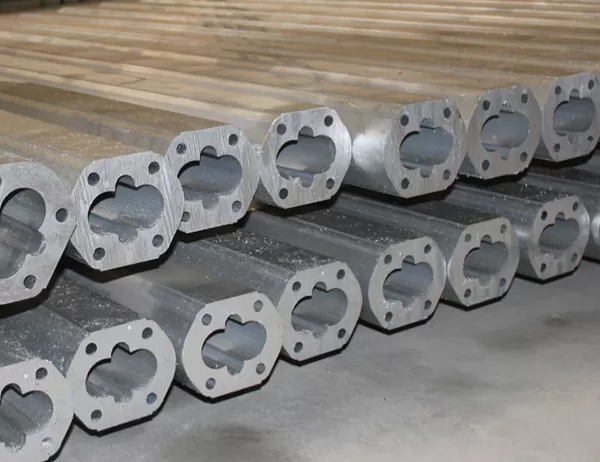
Extruded aluminum tubes find applications in diverse industries, including construction, automotive, and manufacturing. Their versatile properties, such as high strength-to-weight ratio, corrosion resistance, and aesthetic appeal, make them an ideal choice for a wide range of applications. Installing extruded aluminum tubes correctly is crucial to ensure their optimal performance and longevity. This comprehensive guide will provide a step-by-step approach to properly install extruded aluminum tubes.
Preparation
Material Selection
The first step involves selecting the appropriate extruded aluminum tube for the intended application. Consider factors such as tube size, alloy composition, temper, and finish. Consult with a supplier or engineer to determine the optimal specifications for the project.
Tube Preparation
Before installation, prepare the extruded aluminum tube by cleaning its surfaces. Remove any dirt, debris, or protective coatings using a suitable solvent or degreaser. Ensure the tube’s ends are trimmed square and free of burrs or sharp edges.
Installation
Positioning
Position the extruded aluminum tube in the desired location and secure it using appropriate mounting hardware. Common methods include bolts, screws, brackets, or welding. Ensure the tube is securely held in place and does not move during subsequent steps.
Joining
When connecting multiple extruded aluminum tubes, use mechanical or adhesive bonding techniques. Mechanical joining involves using fasteners such as bolts, rivets, or screws to attach the tubes together. Adhesive bonding provides a permanent and waterproof joint, but requires careful preparation and application.
Sealing
To prevent water or moisture ingress, apply sealant around the joints and end caps of the extruded aluminum tubes. Use a silicone-based sealant specifically designed for aluminum applications. Apply the sealant evenly and smooth it out using a sealant gun or trowel.
Finishing
Once the extruded aluminum tubes are installed and sealed, consider applying a finish treatment for aesthetic purposes or to enhance durability. Common finishing options include anodizing, powder coating, or painting. Choose a finish that matches the required performance and appearance specifications.
Safety Precautions
Protective Gear
When handling extruded aluminum tubes, wear appropriate protective gear, including gloves, safety glasses, and a respirator if necessary. The sharp edges of the tubes can cause cuts, while dust or debris can irritate the eyes or lungs.
Handling Techniques
Use proper handling techniques to avoid bending or twisting the extruded aluminum tubes. Utilize lifting straps or equipment when handling larger or heavier tubes. Avoid placing heavy loads on the tubes, as they can cause structural damage.
Storage
Store extruded aluminum tubes in a dry, covered location to prevent exposure to moisture or contaminants. Protect the tubes from physical damage by wrapping them in protective materials or storing them in designated racks.
Conclusion
By following these steps and observing the necessary safety precautions, you can ensure the proper installation of extruded aluminum tubes. The resulting installation will provide optimal performance, enhance the aesthetics of the project, and ensure the longevity of the aluminum tubes.