How to Select the Best Extruded Aluminum Pipe for Your Application: A Guide to Unlocking Superior Performance
In the realm of engineering and construction, where precision and durability reign supreme, the choice of extruded aluminum pipe is a critical decision. This versatile material offers a tantalizing blend of strength, lightness, and corrosion resistance, making it the preferred choice for a vast array of applications. However, navigating the vast sea of available options can be a daunting task.
Selecting the optimal extruded aluminum pipe for your specific application requires a comprehensive understanding of its key characteristics and capabilities. Let’s delve into the crucial factors that will guide you towards the perfect choice:
1. Alloy Composition:
The alloy composition of extruded aluminum pipe determines its overall strength, corrosion resistance, and workability. Common alloys include 6063, 6061, and 6005, each with unique properties tailored to specific applications. Understanding your performance requirements will help you narrow down your alloy choices.
2. Temper:
Temper refers to the heat treatment process applied to the pipe after extrusion. Temper T4 (as extruded) offers a good balance of strength and formability, while T6 (heat-treated and aged) enhances strength and hardness. The appropriate temper will depend on the desired combination of strength, formability, and surface finish.
3. Wall Thickness:
The wall thickness of extruded aluminum pipe significantly impacts its load-bearing capacity and rigidity. Thicker walls provide increased strength, while thinner walls result in lighter pipes with improved flexibility. Choosing the optimal wall thickness is essential for meeting the structural requirements of your application.
4. Surface Finish:
The surface finish of extruded aluminum pipe can influence its appearance, corrosion resistance, and adhesion properties. Options include a natural mill finish, anodized coatings, and painted surfaces. The choice of finish should align with the aesthetic and functional demands of your project.
5. Size and Shape:
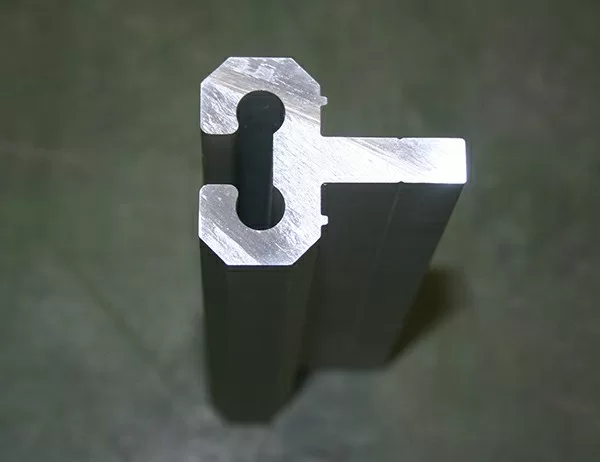
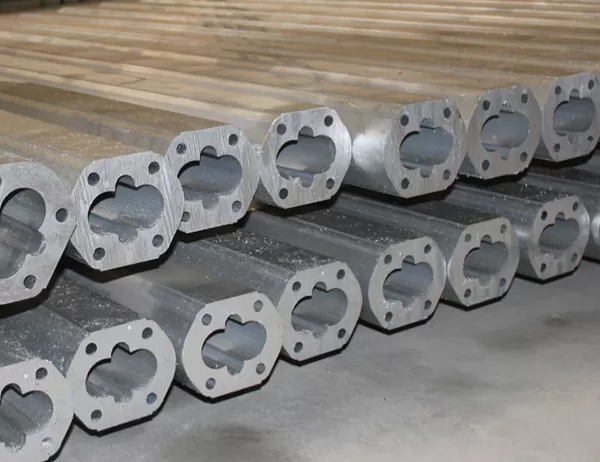
Extruded aluminum pipes come in a wide range of sizes and shapes, including round, square, rectangular, and custom profiles. Selecting the appropriate size and shape will depend on the specific needs of your application, including fitting requirements, flow rates, and space constraints.
By carefully considering these factors and aligning them with the requirements of your application, you can ensure the selection of the best extruded aluminum pipe. This process will ultimately unlock superior performance, reliability, and aesthetic appeal in your projects.