Industrial aluminum profiles are extruded aluminum shapes used in various industrial applications. They offer numerous advantages, including lightweight, high strength, corrosion resistance, and durability. To ensure the proper selection and specification of industrial aluminum profiles for your project, it is essential to consider several key factors.
The choice of aluminum alloy is crucial in determining the performance of the aluminum profile. Common alloys used for industrial applications include 6061, 6063, and 6082. Each alloy offers unique properties in terms of strength, weldability, and corrosion resistance. Considering the specific requirements of your project, such as load-bearing capacity, environmental exposure, and fabrication techniques, will help you select the optimal alloy.
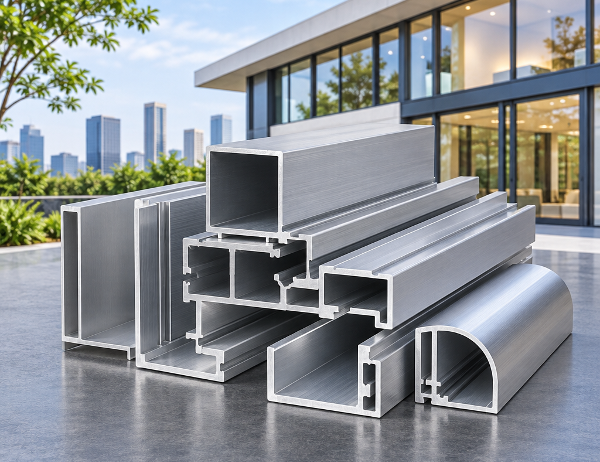
The design of the aluminum profile is tailored to the functional and aesthetic requirements of your project. Parameters such as cross-sectional shape, dimensions, and wall thickness should be carefully considered. For example, hollow profiles provide higher weight efficiency than solid profiles, while thicker walls enhance strength but increase weight. Optimizing the profile design ensures efficient material utilization and minimizes manufacturing costs.
Surface treatment enhances the appearance, durability, and functionality of aluminum profiles. Common treatments include anodizing, powder coating, and painting. Anodizing creates a protective oxide layer that improves corrosion resistance and wear resistance. Powder coating and painting provide a wide range of color options and textures, enhancing aesthetics and protecting against environmental factors. The choice of surface treatment depends on the intended use and specific requirements of your project.
The manufacturing process involves extruding the aluminum alloy through a die to create the desired shape. The extrusion parameters, such as temperature, extrusion speed, and die design, influence the mechanical properties, dimensional accuracy, and surface finish of the profiles. Specifying the manufacturing process ensures consistency in quality and adherence to the required specifications.
To ensure the reliability and durability of the industrial aluminum profiles, quality control measures are essential. This includes inspections throughout the manufacturing process to verify dimensional accuracy, surface quality, and mechanical properties. Establishing acceptance criteria and testing procedures helps prevent defects and ensures compliance with industry standards.
The cost of industrial aluminum profiles varies depending on factors such as material selection, profile design, surface treatment, manufacturing process, and quantity. It is important to balance the desired performance and aesthetic requirements with cost considerations. Optimizing the design and selecting cost-effective alternatives can help minimize overall project expenses while maintaining the required functionality and quality.
By carefully considering these factors and following a systematic approach, you can effectively specify industrial aluminum profiles that meet the specific requirements of your project. Proper specification ensures optimal performance, durability, aesthetics, and cost-effectiveness, ensuring a successful outcome.