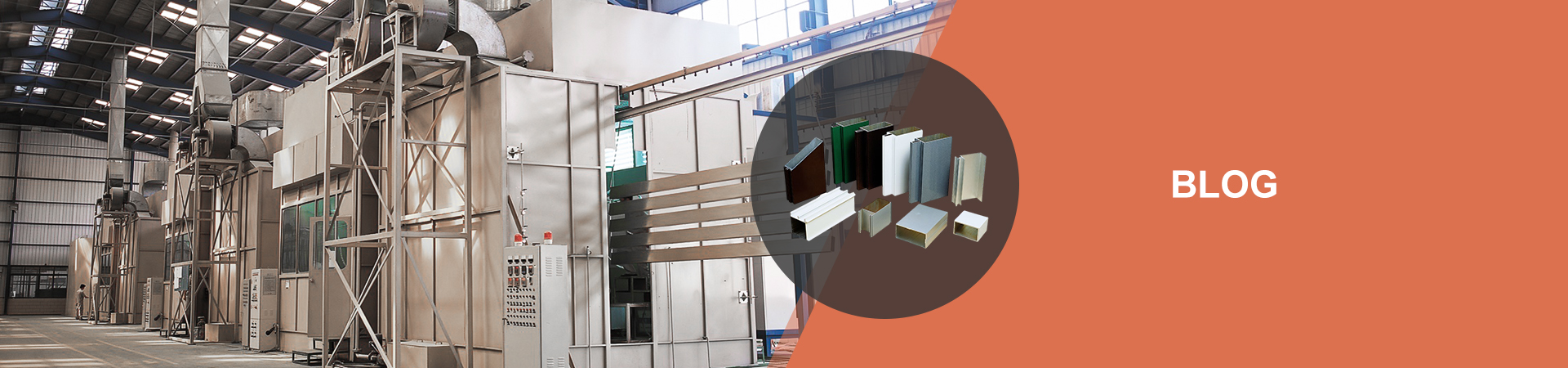
Aluminium tubes are widely used in various industries, including construction, automotive, and aerospace. Proper transportation and storage are crucial to maintain their integrity, prevent damage, and ensure safety. This article provides a comprehensive guide on how to transport and store 100mm aluminium tubes safely.
Secure Packaging
Carefully wrap each tube in protective materials, such as bubble wrap or corrugated cardboard, to prevent scratches or dents during transit. Use strong straps or bands to secure the tubes in place and prevent movement.
Adequate Support
Transport the tubes on a flatbed truck or trailer with sufficient support to prevent bending or deformation. Place the tubes vertically and secure them with chocks or wedges to prevent rolling.
Protection from Elements
Cover the tubes with a waterproof tarp or shrink wrap to protect them from moisture, dust, and sunlight. Secure the covering tightly to prevent tearing or damage.
Proper Loading and Unloading
Use forklifts or other appropriate equipment to load and unload the tubes. Ensure the tubes are handled carefully to avoid rough treatment or accidental impacts.
Appropriate Environment
Store the tubes in a dry, well-ventilated area protected from moisture, humidity, and extreme temperatures. Avoid storage in areas subject to condensation or freezing conditions.
Proper Orientation
Store the tubes vertically to prevent bending or deformation. Use racks or shelves with sufficient support to hold the tubes securely.
Protective Coatings
Apply a thin layer of rust-preventative oil or sealant to the tubes’ outer surfaces to protect them from corrosion and oxidation. Re-apply the coating periodically to maintain effectiveness.
Inventory Management
Maintain an accurate inventory of the tubes, including their location, quantity, and condition. This allows for proper control and tracking, ensuring timely identification and replacement of damaged or deteriorated tubes.
Regular Inspection
Periodically inspect the tubes for signs of damage, such as dents, scratches, or corrosion. Remove damaged tubes and replace them with new ones to maintain the integrity of the stored inventory.
By adhering to these guidelines for transportation and storage, you can effectively protect 100mm aluminium tubes from damage and ensure their safe and reliable use in various applications. Proper handling and storage practices not only enhance the longevity of the tubes but also contribute to overall safety and efficiency.