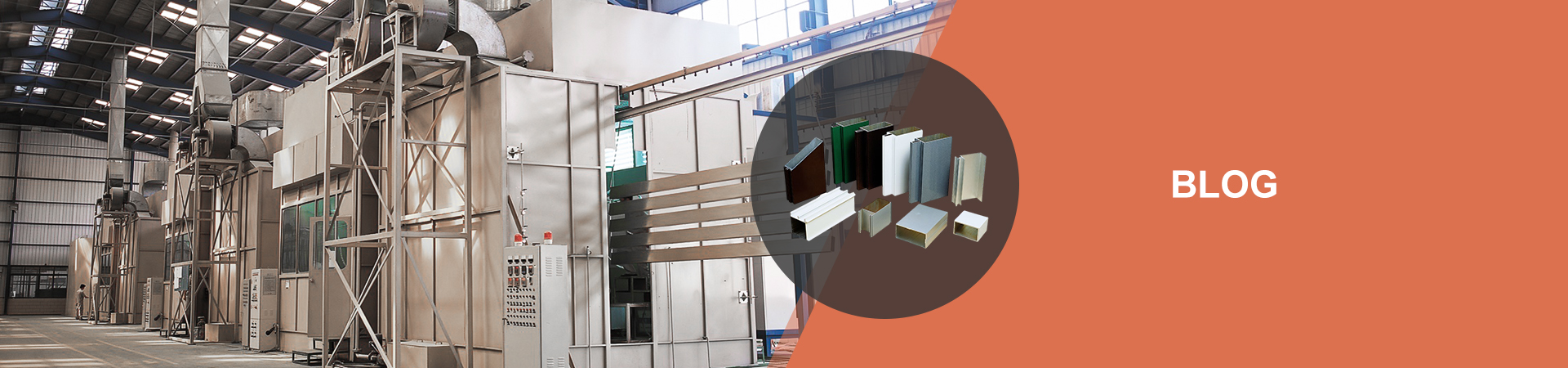
In the world of industrial manufacturing, precision and durability are paramount. That’s where industrial aluminum profiles step in, offering a versatile solution for a wide range of applications. With their exceptional strength, lightness, and resistance to corrosion, these profiles are the building blocks of industries.
Versatile Applications
Industrial aluminum profiles find their place in a vast array of applications, shaping the backbone of different industries. From automotive and construction to aerospace and electronics, these profiles are indispensable in building structures, machinery, and equipment.
Types of Profiles
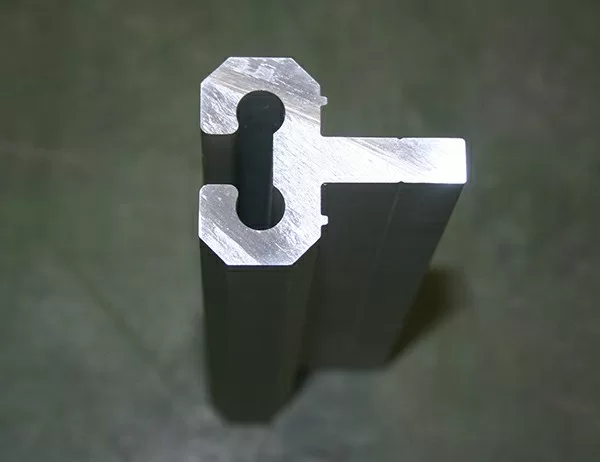
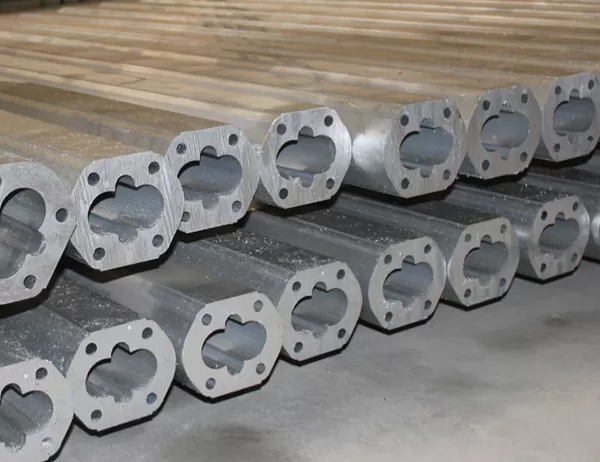
The versatility of industrial aluminum profiles stems from the variety of shapes and sizes available. Common profiles include:
– T-slot profiles: Ideal for framing and support structures, allowing for easy attachment and adjustment.
– C-channels: Used for structural framing, providing high strength and rigidity.
– U-channels: Suitable for enclosure and protection, offering a smooth, enclosed surface.
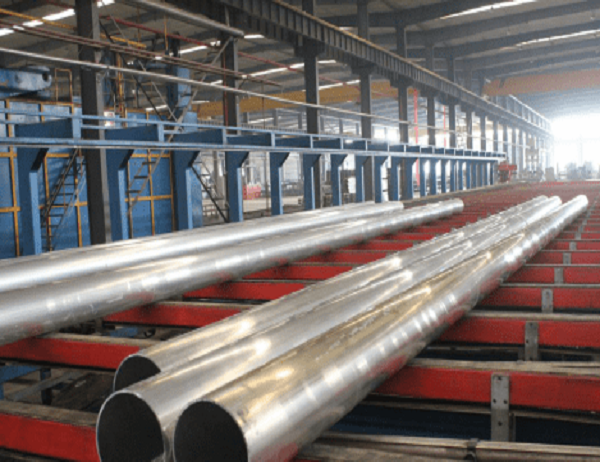
– Round profiles: Utilized in shafts, axles, and tubing applications, providing strength and rotational stability.
Advantages of Aluminum Profiles
The unique properties of aluminum make it an exceptional choice for industrial applications:
– Strength and Durability: Aluminum profiles combine high strength with low weight, making them ideal for demanding environments.
– Corrosion Resistance: Aluminum’s natural oxide layer provides excellent resistance to corrosion, ensuring long-lasting performance.
– Versatility: With a wide range of shapes and sizes, these profiles can be tailored to meet specific project requirements.
– Ease of Fabrication: Aluminum is easy to cut, drill, and machine, enabling quick and precise fabrication.
– Sustainability: Aluminum is recyclable, making it an environmentally friendly material choice.
Conclusion
Industrial aluminum profiles are the essential components in a multitude of manufacturing applications. Their strength, durability, corrosion resistance, and versatility make them the ideal building blocks for industries seeking precision and efficiency. Understanding the types and advantages of these profiles empowers engineers and manufacturers to harness their potential for exceptional results.