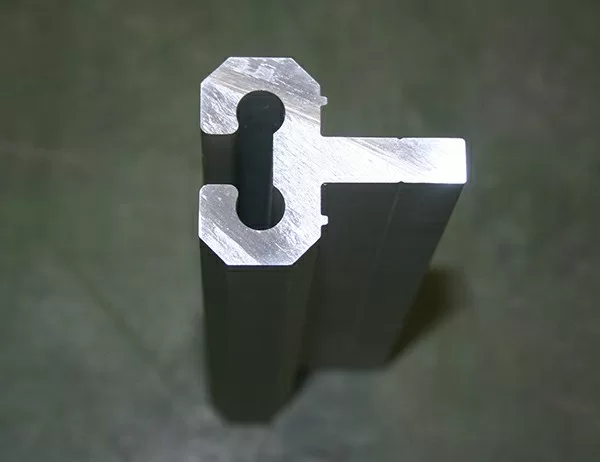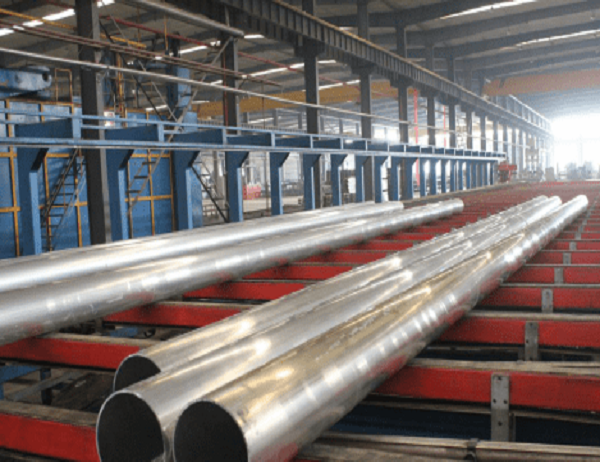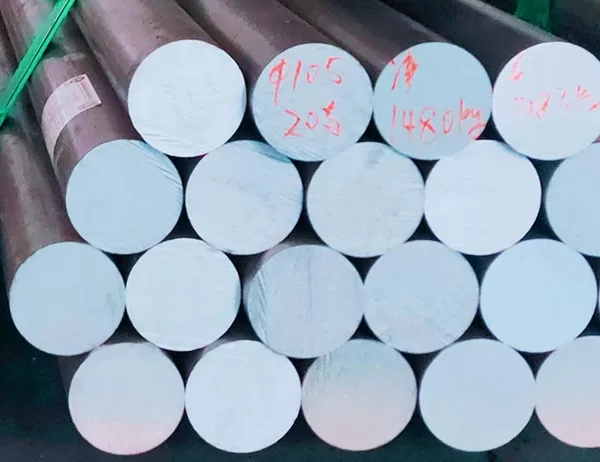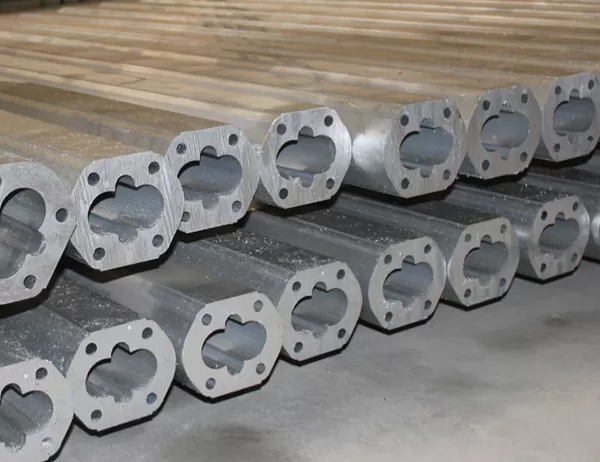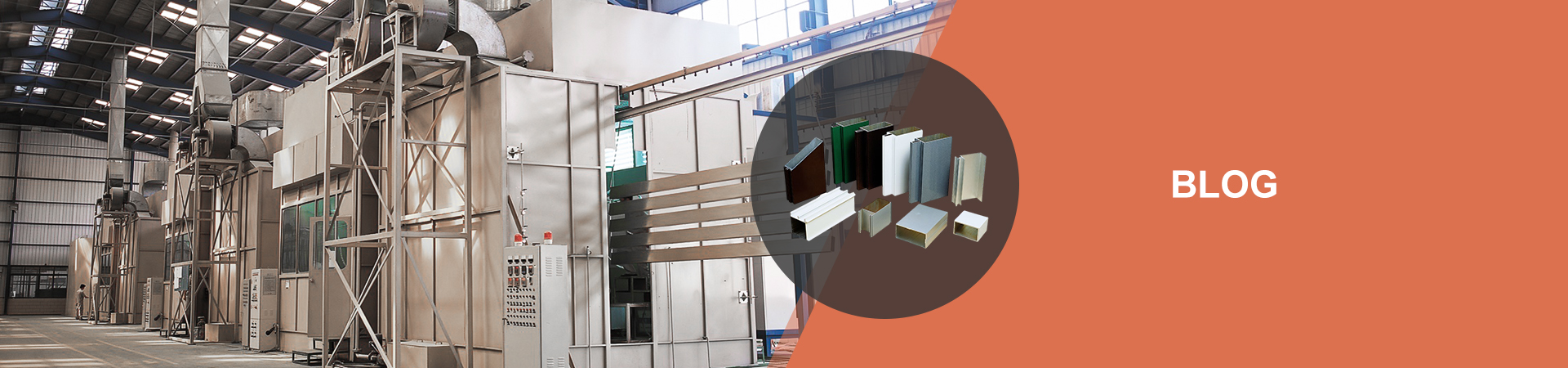
Industrial aluminum profiles are a versatile and durable material used in a wide range of applications. However, they are not the only option available, and other materials offer their own unique advantages and disadvantages. This article will explore the pros and cons of industrial aluminum profiles compared to other materials, providing insight into their suitability for different applications.
Strength and Durability
Aluminum profiles are known for their exceptional strength-to-weight ratio, making them ideal for applications where lightweight and durability are essential. They are also resistant to corrosion and oxidation, ensuring a long lifespan even in harsh environments. However, other materials, such as steel or composite materials, may offer superior strength in specific applications.
Formability and Flexibility
Industrial aluminum profiles are highly formable, allowing them to be bent, shaped, and cut into complex designs. This flexibility makes them suitable for a wide range of applications, including custom enclosures, architectural elements, and even transportation equipment. However, other materials such as plastic or wood may be more easily formable for certain applications.
Conductivity
Aluminum is an excellent electrical and thermal conductor, making it ideal for applications requiring efficient heat dissipation or electrical connectivity. However, other materials such as copper or graphite may offer superior conductivity, depending on the specific requirements.
Cost
Industrial aluminum profiles are generally more expensive than other materials such as steel, plastic, or wood. However, their durability and low maintenance requirements can often offset the initial investment over time.
Sustainability
Aluminum is a recyclable material, which makes it an environmentally friendly option compared to materials such as plastic or wood. Additionally, aluminum profiles can be designed to maximize material efficiency, reducing waste and promoting sustainability.
Conclusion
The choice between industrial aluminum profiles and other materials depends on the specific requirements of the application. Aluminum profiles offer a combination of strength, durability, formability, and conductivity, making them a versatile option for a wide range of industries. However, other materials may be more suitable for applications that prioritize cost, flexibility, or specific technical properties. By carefully considering the pros and cons of each material, engineers and designers can make informed decisions that meet the performance and sustainability goals of their projects.