Aluminum extrusions have revolutionized the automotive industry, offering numerous advantages over traditional materials. From enhanced structural integrity to weight reduction, these innovations have fueled the production of lighter, more fuel-efficient, and environmentally friendly vehicles.
Enhanced Structural Integrity
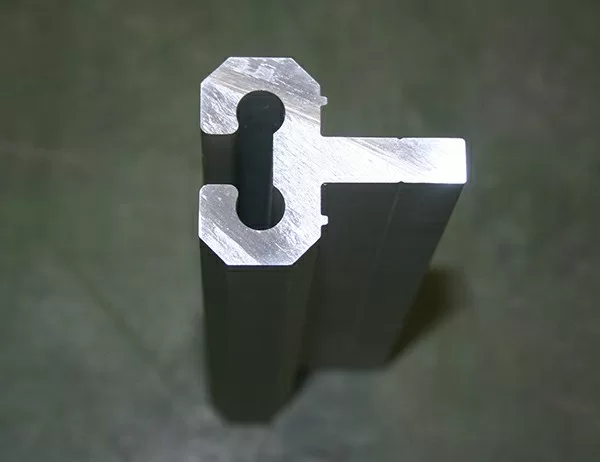
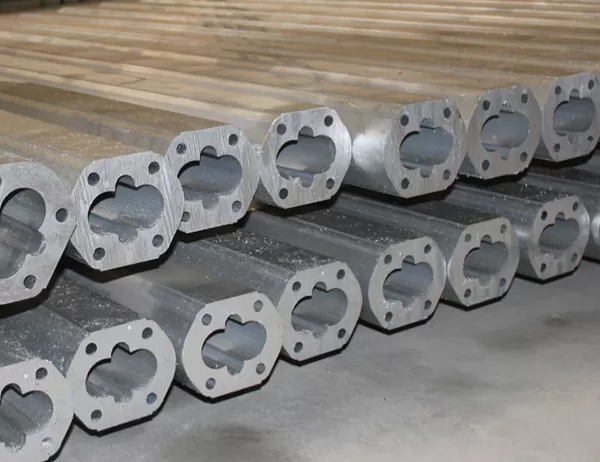
Aluminum extrusions possess exceptional strength-to-weight ratios, enabling them to withstand higher loads without compromising performance. Their unique shape and design allow for intricate structural configurations, providing optimal support for vehicle components. This enhanced structural integrity ensures the safety and durability of vehicles, reducing the likelihood of damage in accidents.
Weight Reduction
Weight reduction is a paramount concern in the automotive industry, as it directly impacts fuel efficiency and emissions. Aluminum extrusions are significantly lighter than their steel counterparts, contributing to overall vehicle weight reduction. By optimizing extrusion designs and using lightweight alloys, manufacturers can further reduce weight while maintaining structural integrity.
Improved Aesthetics
Aluminum extrusions provide aesthetic advantages as well. Anodization and other surface treatments allow for a wide range of finishes, including painted, anodized, and polished. These finishes enhance the visual appeal of vehicles, creating a sleek and sophisticated appearance. The ability to extrude complex shapes enables designers to incorporate unique curves and contours, enhancing the overall style and desirability of vehicles.
Corrosion Resistance
Aluminum extrusions are inherently corrosion-resistant, making them suitable for use in a variety of environments. This corrosion resistance reduces the need for costly maintenance and repairs, ensuring the long-term durability of vehicles. The use of aluminum extrusions in exposed areas, such as bumpers and trim, protects these components from the elements, preventing premature deterioration.
Sustainability and Environmental Benefits
Aluminum is a highly recyclable material, making it an environmentally friendly choice. The use of aluminum extrusions reduces the overall environmental footprint of vehicles by minimizing waste and promoting sustainability. By utilizing recycled aluminum alloys, manufacturers can further reduce the carbon emissions associated with the production process. Additionally, the lighter weight of aluminum extrusions contributes to lower fuel consumption and reduced greenhouse gas emissions.
Advanced Extrusion Techniques
Technological advancements have enabled the development of innovative extrusion techniques, further expanding the capabilities of automotive aluminum extrusions.
Hydroforming: Hydroforming involves the use of high-pressure water to shape aluminum extrusions into complex geometries. This technique allows for the production of intricate profiles and hollow sections, improving structural performance and weight reduction.
Roll Bonding: Roll bonding combines multiple layers of aluminum into a single extrusion. This process enables the incorporation of different alloys or materials, creating hybrid extrusions with tailored properties. Roll bonding enhances strength, corrosion resistance, and thermal conductivity, catering to specific design requirements.
Arc Welding: Arc welding techniques, such as plasma arc welding and friction stir welding, enable the joining of aluminum extrusions to form larger assemblies. These welding processes preserve the structural integrity of the extrusions while minimizing distortion and heat input, ensuring optimal performance.
Conclusion
Innovations and technological advances in automotive aluminum extrusions have significantly transformed the industry. These extrusions offer enhanced structural integrity, weight reduction, improved aesthetics, corrosion resistance, and environmental benefits. With the development of advanced extrusion techniques, the potential of aluminum extrusions continues to expand, enabling the production of lighter, more efficient, and environmentally friendly vehicles.