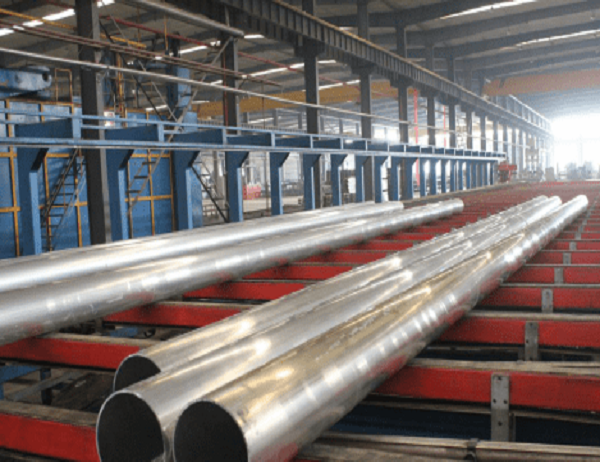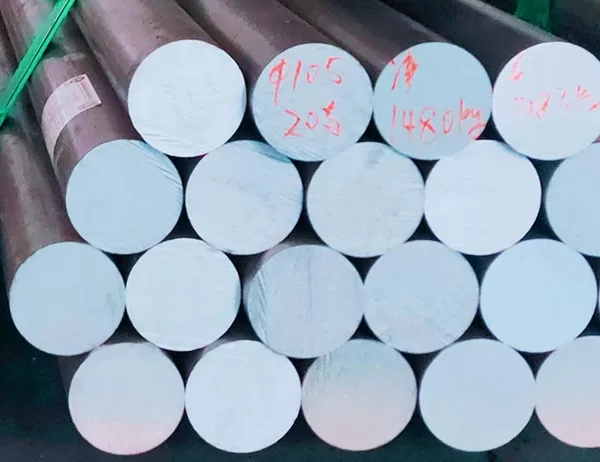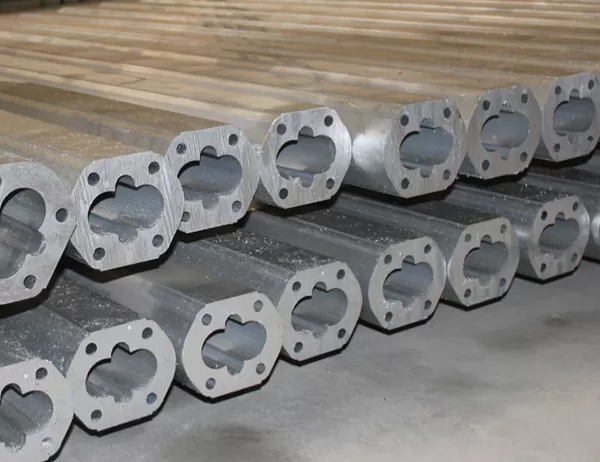
The advancements in aluminum alloy pipe technology have revolutionized various industries, offering significant benefits over traditional piping materials. This article explores the groundbreaking innovations that have transformed the manufacturing and applications of aluminum alloy pipes.
Enhanced Durability and Corrosion Resistance
Aluminum alloys exhibit exceptional strength-to-weight ratios, making them ideal for applications requiring lightweight yet durable piping systems. The addition of alloying elements such as copper, magnesium, and silicon further enhances their mechanical properties, providing resistance to wear, impact, and high pressures. Additionally, aluminum’s natural oxide layer offers excellent corrosion resistance, protecting the pipes from harsh environments and extending their lifespan.
Improved Heat Transfer Capabilities
Aluminum has a high thermal conductivity, allowing for efficient heat transfer in heating and cooling applications. Aluminum alloy pipes facilitate rapid and uniform heat exchange, making them suitable for industries such as power generation, petrochemical processing, and refrigeration. The use of aluminum alloys with specific heat treatments can further optimize their thermal conductivity, enhancing system efficiency and reducing energy consumption.
Lightweight and Cost-Effective
Compared to traditional piping materials like steel and copper, aluminum alloy pipes are significantly lighter, simplifying handling, installation, and transportation. This lightness also translates into reduced costs associated with material handling and labor. Moreover, aluminum alloys offer long-term durability, reducing maintenance expenses and the need for frequent pipe replacement.
Customization and Versatility
Aluminum alloy pipes can be easily extruded, drawn, or welded to create complex shapes and geometries. This versatility allows for the fabrication of pipes tailored to specific requirements and applications. The ability to customize pipes enables engineers to optimize system performance and reduce the need for additional components or complex assemblies.
Environmental Sustainability
Aluminum alloy pipes contribute to environmental sustainability in several ways. Their lightweight nature reduces transportation emissions during manufacturing and installation. Additionally, aluminum is a highly recyclable material, allowing for the recovery and reuse of valuable resources. The durability and corrosion resistance of aluminum alloy pipes also minimize the need for frequent replacements, reducing the environmental impact associated with disposal and landfill waste.
Emerging Applications
The advancements in aluminum alloy pipe technology are continuously expanding into new applications. In the aerospace industry, these pipes are used for lightweight fuel and hydraulic lines. The automotive sector employs aluminum alloy pipes for fuel injection and cooling systems due to their ability to withstand high pressures and temperatures. In construction, aluminum alloy pipes are incorporated into HVAC systems to enhance heat transfer efficiency and reduce weight on structural components.
Conclusion
The innovations in aluminum alloy pipe technology have transformed various industries by providing enhanced durability, corrosion resistance, heat transfer capabilities, lightweight construction, customization options, and environmental sustainability. As research and development continue to drive the evolution of these pipes, they will play an increasingly vital role in shaping future piping systems, leading to improved performance, efficiency, and environmental stewardship.