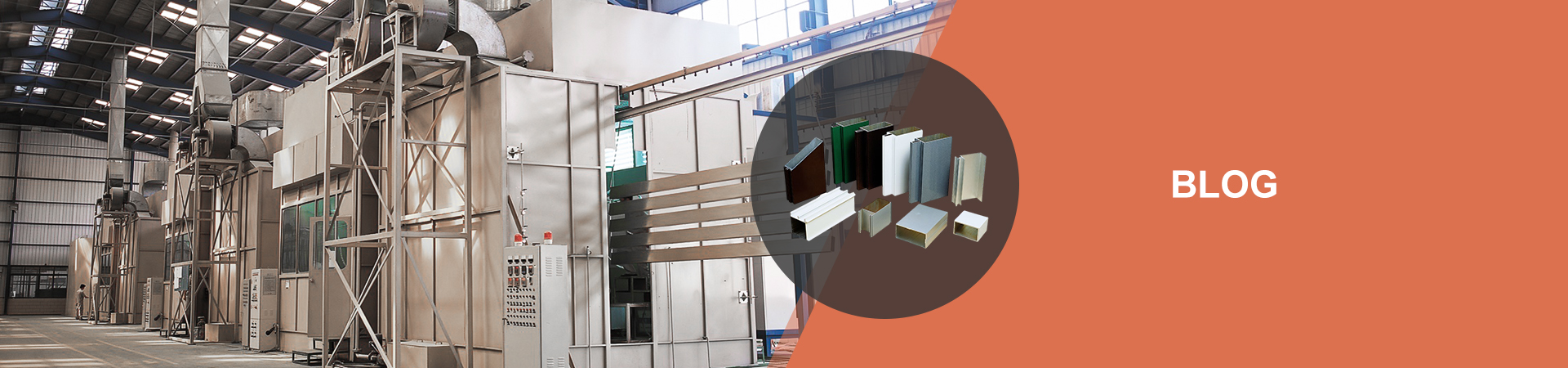
Industrial aluminum profiles are widely used in various industries, from construction and transportation to manufacturing and electronics. In recent years, advancements in technology have led to significant innovations in industrial aluminum profile production, offering improved performance, versatility, and sustainability.
Extrusion Technology Advancements
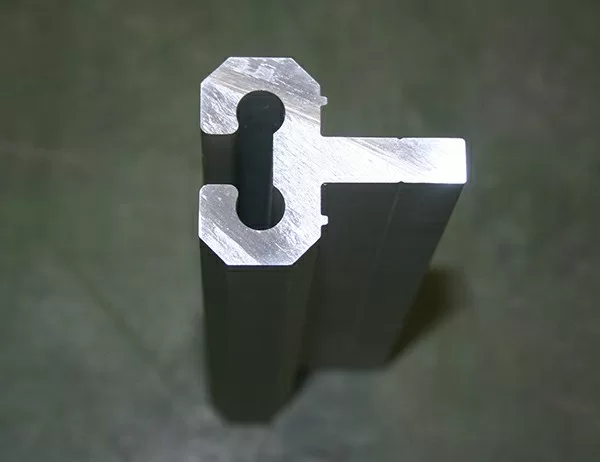
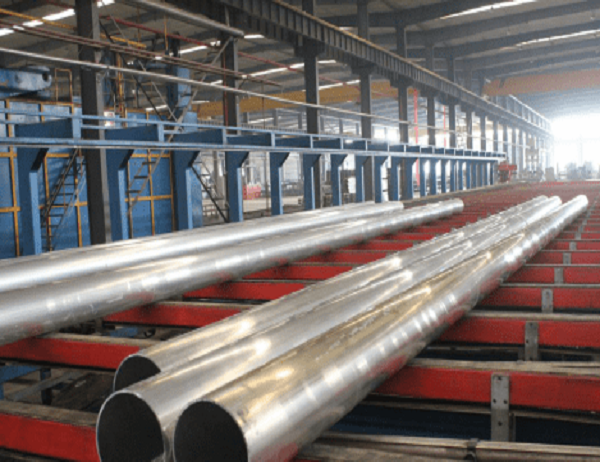
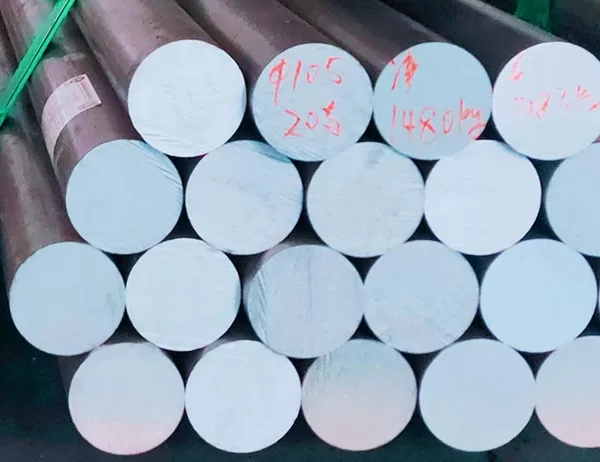
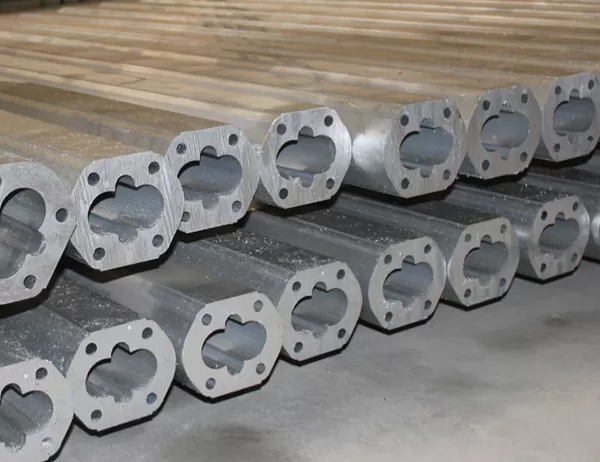
Extrusion is a key process in aluminum profile manufacturing, shaping molten aluminum into desired cross-sections. Modern extrusion presses incorporate advanced automation and precision control systems, enabling the production of profiles with complex geometries, tight tolerances, and superior surface finishes. Additionally, new extrusion techniques, such as profile hardening, enhance the strength and durability of profiles.
Novel Aluminum Alloys
Innovations in aluminum alloys have also played a crucial role in improving industrial aluminum profile technology. Advanced alloys, such as those with high-strength, corrosion-resistance, and thermal conductivity, enable the production of profiles suited for specific applications. For instance, alloys with improved corrosion resistance are ideal for marine environments, while alloys with enhanced thermal conductivity facilitate heat dissipation in electronic components.
Surface Treatment Innovations
Surface treatments are essential for protecting and enhancing the appearance of industrial aluminum profiles. Anodizing, powder coating, and painting are common techniques that improve corrosion resistance, wear resistance, and aesthetics. Novel surface treatment technologies, such as plasma electrolytic oxidation (PEO) and chemical etching, provide even greater resistance to wear, corrosion, and chemicals.
Sustainable Manufacturing Practices
Sustainability is a growing concern in industrial aluminum profile production. Innovations in extrusion and surface treatment processes have led to reduced energy consumption, waste generation, and greenhouse gas emissions. For instance, closed-loop extrusion systems recycle scrap aluminum, while environmentally friendly surface treatments minimize the use of hazardous chemicals.
Digitalization and Automation
Digitalization and automation are transforming industrial aluminum profile technology. Computer-aided design (CAD) software optimizes profile design, while automated production lines enhance efficiency and accuracy. Advanced sensors and real-time monitoring systems ensure quality control and process optimization. These advancements enable the production of high-precision profiles with reduced lead times and increased cost-effectiveness.
Customization and Design Flexibility
Industrial aluminum profiles are highly versatile and customizable. Innovations in technology have further expanded the possibilities for customization, enabling the production of profiles with unique shapes, sizes, and surface textures. This flexibility allows manufacturers to meet specific design requirements and create customized solutions for various applications.
Conclusion
The innovations in industrial aluminum profile technology have revolutionized the industry, leading to improved performance, versatility, sustainability, and customization. Extrusion technology advancements, novel aluminum alloys, surface treatment innovations, sustainable manufacturing practices, digitalization, and automation have all contributed to the production of high-quality aluminum profiles that meet the evolving needs of various industries. As technology continues to advance, we can expect further innovations that will drive the industry forward and enable new applications for industrial aluminum profiles.