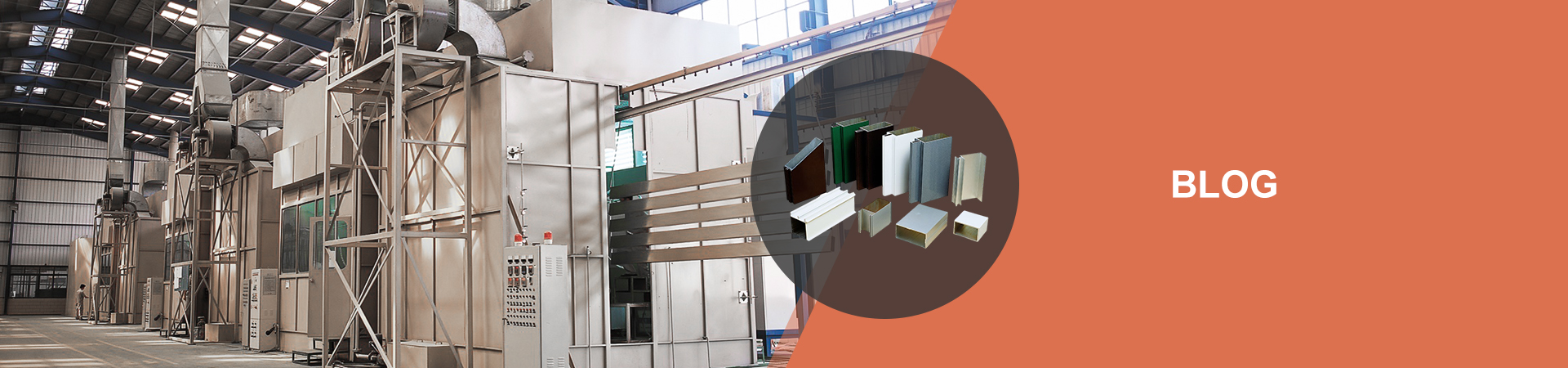
Aluminum alloy pipes offer numerous advantages over traditional materials such as steel or copper, making them a popular choice for various industrial, commercial, and residential applications. However, proper installation is crucial to ensure optimal performance and longevity. This article provides a comprehensive guide to Installing Aluminum Alloy Pipes: Best Practices and Tips.
Material Selection and Preparation
The first step involves selecting the appropriate aluminum alloy and pipe dimensions based on the specific application requirements. It is important to consider the pipe’s strength, corrosion resistance, and temperature tolerance. Pre-cleaning the pipes before installation removes any dirt or debris that could compromise the bond between the pipes and fittings.
Piping System Design
Proper piping system design is essential to minimize stress and ensure efficient flow. Plan the piping layout carefully, considering pipe routing, support points, and expansion joints. Use appropriate fittings and gaskets to ensure a leak-free system. Avoid sharp bends as they can create turbulence and pressure drops.
Cutting Aluminum Alloy Pipes
Use specialized cutting tools designed specifically for aluminum alloys. Mark the cutting lines accurately and ensure a clean and square cut. Ensure that the cutting edge is sharp to prevent burrs and ensure a tight fit.
Joining Techniques
Various joining techniques are available for aluminum alloy pipes, including welding, soldering, and mechanical connections. Choose the method based on the pipe grade, diameter, and pressure requirements. For welding, use the appropriate welding process and filler metal to ensure a strong and reliable joint.
Pipe Support and Expansion Joints
Proper support is essential to prevent sagging or vibration. Use pipe hangers or clamps at regular intervals to support the pipes. Expansion joints allow the pipes to expand and contract with temperature changes, preventing stress and potential leaks.
Brazing and Soldering
When brazing or soldering aluminum alloy pipes, ensure that the surfaces are clean and prepared. Use the appropriate flux and filler metal for the specific aluminum alloy. Heat the joint evenly and apply the filler metal while maintaining a steady flow.
Sealing and Testing
Apply sealant to all threaded connections and fittings to ensure a leak-proof system. Conduct a pressure test to verify the integrity of the piping system. Gradual pressurization and holding periods allow the system to stabilize and identify any potential leaks.
Maintenance and Troubleshooting
Regular maintenance helps extend the lifespan of aluminum alloy pipes. Inspect the pipes and fittings periodically for signs of corrosion or damage. Repair any defects promptly to prevent further deterioration. Monitor pressure and flow rates to ensure optimal system performance.