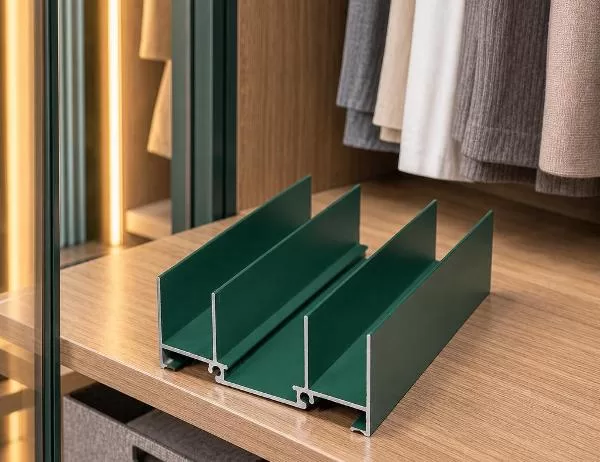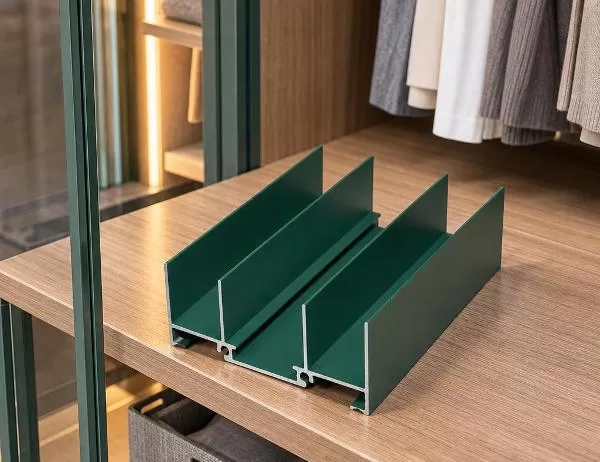
Transforming your kitchen with aluminum profiles promises a sleek and modern aesthetic. However, meticulous installation is crucial to ensure seamless integration and optimal performance. This comprehensive guide will provide practical tips to guide you through the process of installing and setting up aluminum kitchen profiles.
Prior to installation, ensure you have all the necessary tools and materials, including aluminum profiles, end caps, joining brackets, mounting hardware, a level, a measuring tape, and a hex key. Carefully inspect the profiles for any defects or damage. Plan the layout meticulously, measuring the dimensions of the cabinets and appliances accurately to determine the required profile lengths and cut lines.
Use a miter saw to cut the profiles to the desired lengths while ensuring precise 45-degree angles for seamless corner joints. Assemble the profiles by inserting the joining brackets into the grooves. Ensure the joints are tight and secure by tightening the screws using a hex key.
Mark the mounting points on the cabinets or walls using a level and measuring tape. Use appropriate mounting hardware, such as screws or brackets, to attach the profiles securely. Adjust the profiles until they are perfectly level and aligned.
Install end caps at the ends of the profiles to prevent moisture damage and enhance the overall finish. Use trim pieces to cover any gaps or expose screws, ensuring a neat and polished look.
Upon installation, thoroughly clean the aluminum profiles with a mild detergent and soft cloth to remove any residue or debris. To maintain optimal appearance, clean the profiles regularly with a non-abrasive cleaner and a soft cloth. Avoid using harsh chemicals or abrasive materials that could damage the finish.
If necessary, use a hex key to adjust the profiles for any alignment issues or uneven gaps. To repair minor scratches or dents, use a fine-grit sandpaper to gently remove the damage and restore the smoothness. For more severe damage, professional repair or replacement may be required.
Conclusion
Installing and setting up aluminum kitchen profiles requires attention to detail and careful execution. By following these practical tips, you can ensure a seamless and long-lasting installation that enhances the aesthetics and functionality of your kitchen space. Remember to use appropriate tools, plan meticulously, and maintain the profiles regularly to preserve their beauty and performance.