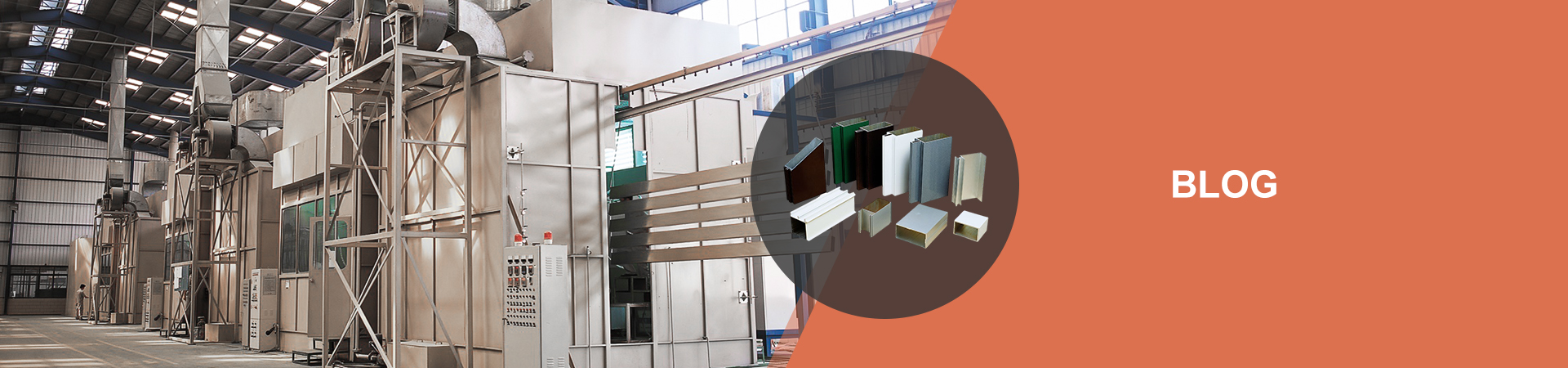
In the realm of industrial fabrication, the advent of aluminum track profiles has revolutionized the way we design and construct various structures. These versatile components offer an array of advantages, transforming the landscape of engineering and manufacturing.
Unveiling the Benefits:
1. Enhanced Durability and Longevity:
Aluminum’s intrinsic properties make it an incredibly robust material. Track profiles crafted from this element can withstand harsh environments, heavy loads, and the relentless passage of time. Their resistance to corrosion, oxidation, and wear ensures enduring structural integrity.
2. Lightweight and Maneuverability:
Unlike traditional steel counterparts, aluminum track profiles boast an exceptional strength-to-weight ratio. This lightness facilitates effortless handling, installation, and transportation, reducing labor costs and minimizing project delays.
3. Tailorable Design and Versatility:
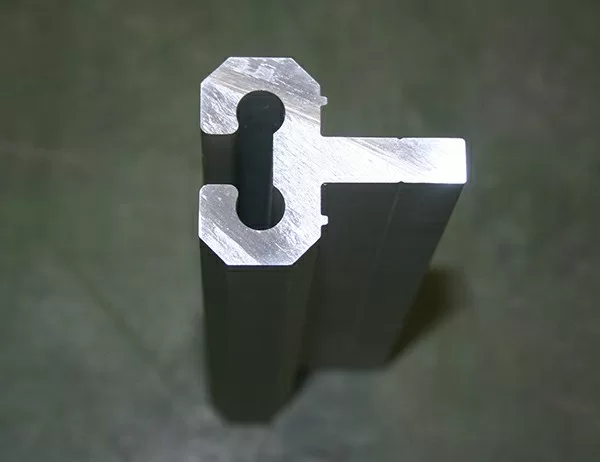
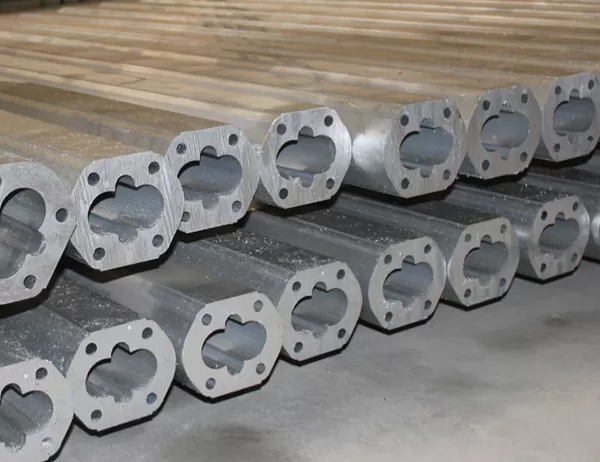
Modern manufacturing techniques enable the customization of aluminum track profiles to meet specific design requirements. Their extruded shapes can be tailored to accommodate various loads, spans, and geometries. This versatility empowers engineers to create complex and innovative structures with ease.
4. Cost-Effective Solution:
While aluminum may initially appear more expensive than steel, its long lifespan and low maintenance requirements ultimately reduce overall project costs. Furthermore, its recyclability contributes to environmental sustainability, further enhancing its cost-effectiveness.
5. Aesthetics and Visual Appeal:
Aluminum track profiles offer an aesthetically pleasing finish that complements any surroundings. Their smooth surfaces, consistent color, and ability to be anodized or painted allow for a wide range of design possibilities.
Transforming Industries:
The benefits of aluminum track profiles have permeated numerous industries, including:
Industrial Conveyor Systems: Robust and lightweight, they ensure efficient material handling in demanding manufacturing environments.
Architectural Glazing: Their structural integrity and aesthetic appeal make them ideal for windows, facades, and skylights.
Medical Equipment: Their cleanliness, corrosion resistance, and strength make them suitable for hospital beds, operating tables, and other medical applications.
Telecommunications: Their ability to support heavy equipment and withstand environmental stress makes them essential for telecommunications towers and infrastructure.
Conclusion:
Aluminum track profiles have become the cornerstone of modern engineering, offering an unparalleled combination of durability, lightness, versatility, cost-effectiveness, and aesthetic appeal. By embracing their benefits, we unlock the potential to create innovative and enduring structures that transcend industry boundaries.