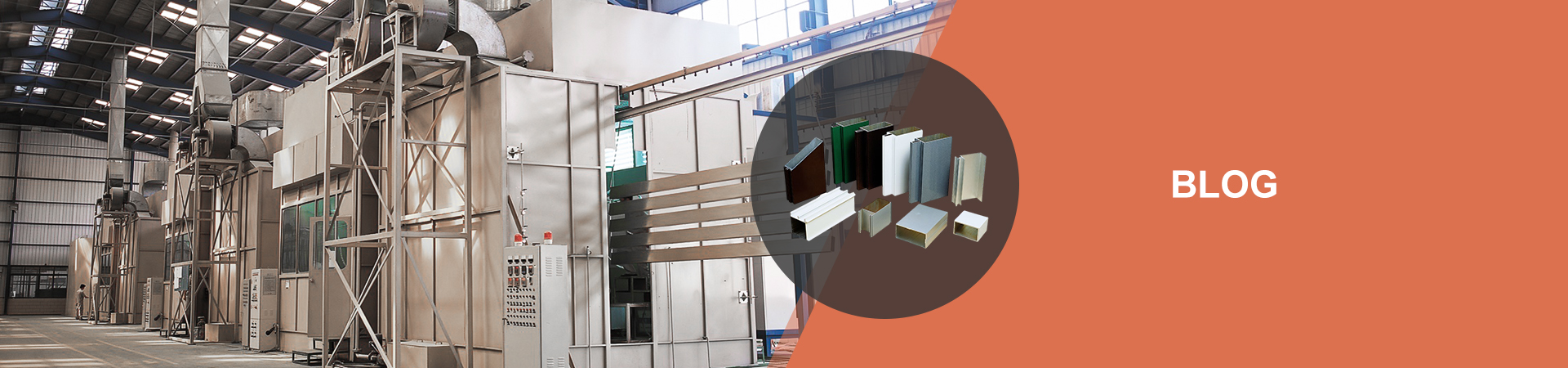
Industrial aluminum profiles have gained immense popularity in various industries due to their exceptional properties and versatility. Offering a wide range of advantages, they have become a preferred choice for constructing durable, lightweight, and corrosion-resistant structures.
Lightweight and Durable
Aluminum profiles are renowned for their exceptional strength-to-weight ratio. Compared to steel or traditional materials, they provide superior strength while remaining remarkably lightweight. This lightweight nature facilitates easy handling, transportation, and installation, making them an ideal choice for large-scale projects and applications where weight reduction is crucial. Additionally, industrial aluminum profiles are highly durable and can withstand significant loads and harsh environmental conditions, making them suitable for demanding applications such as construction, manufacturing, and transportation.
Corrosion Resistance
Industrial aluminum profiles exhibit remarkable corrosion resistance, making them ideal for outdoor and wet environments. Unlike steel, which undergoes corrosion in the presence of moisture and oxygen, aluminum forms a protective oxide layer that shields the metal from corrosion. This inherent corrosion resistance ensures longevity, reduces maintenance requirements, and enhances the overall durability of structures made with aluminum profiles.
Design Flexibility
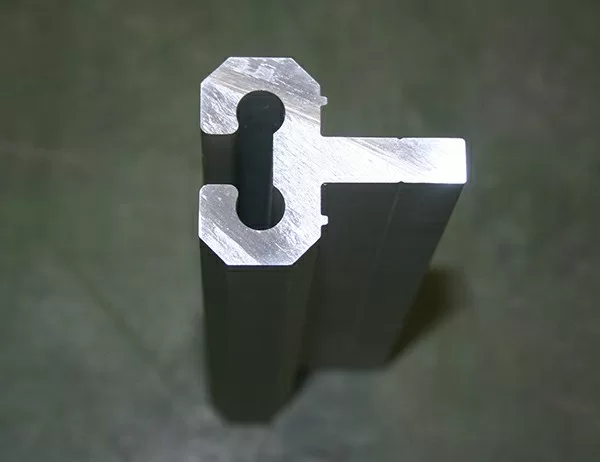
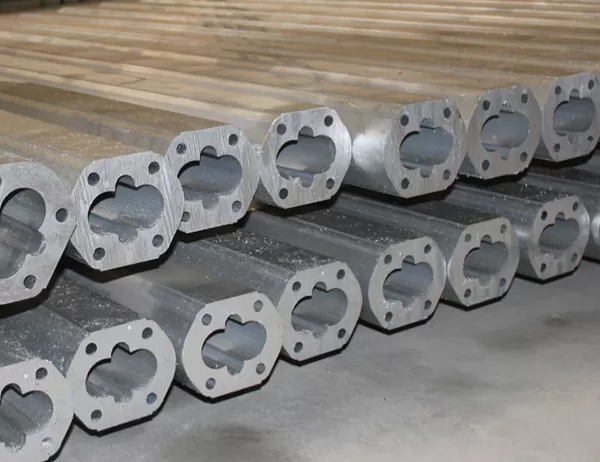
Aluminum profiles provide unparalleled design flexibility and adaptability. They can be easily cut, shaped, and extruded to create complex geometries that conform to specific application requirements. The ability to customize profiles allows for the creation of innovative and aesthetically pleasing designs that enhance the functionality and visual appeal of structures. Furthermore, industrial aluminum profiles can be integrated with other materials, such as glass, wood, or plastic, providing designers with limitless possibilities to create bespoke solutions.
Low Maintenance
Industrial aluminum profiles require minimal maintenance, contributing to significant cost savings over the long term. The protective oxide layer prevents the accumulation of dirt and debris, minimizing the need for frequent cleaning. Additionally, aluminum is not susceptible to rust, eliminating the need for regular painting or coating. The low maintenance requirements reduce operational expenses, maximizing the ROI (return on investment) for businesses that utilize aluminum profiles.
Sustainability
Industrial aluminum profiles are highly sustainable and environmentally friendly. Aluminum is a highly recyclable metal, with a recycling rate of over 90%. The recycling process is energy-efficient and produces minimal waste, contributing to the conservation of natural resources. Furthermore, aluminum profiles are non-toxic and do not release harmful substances into the environment, making them a responsible choice for sustainable construction and manufacturing practices.
Conclusion
Industrial aluminum profiles offer a wide range of key benefits that make them an exceptional choice for various applications. Their lightweight and durable nature, exceptional corrosion resistance, design flexibility, low maintenance requirements, and sustainability contribute to their popularity and versatility. By leveraging the advantages of aluminum profiles, industries can enhance the performance, aesthetics, and longevity of their structures while maximizing cost savings and minimizing environmental impact.