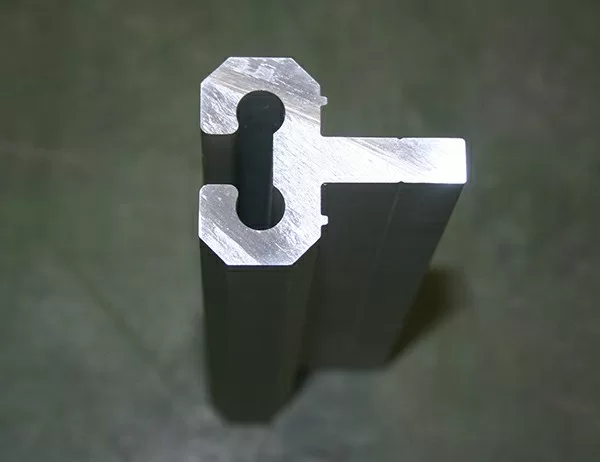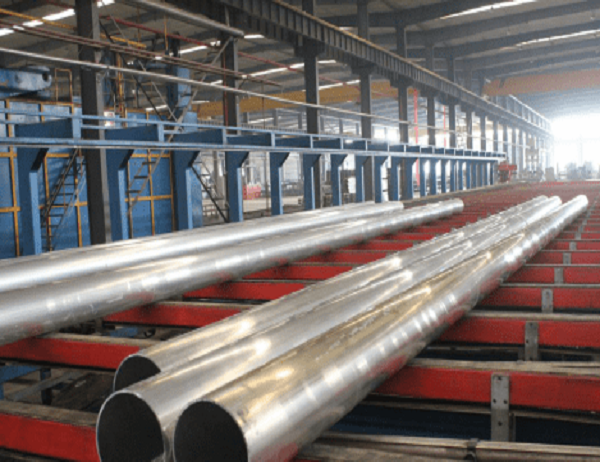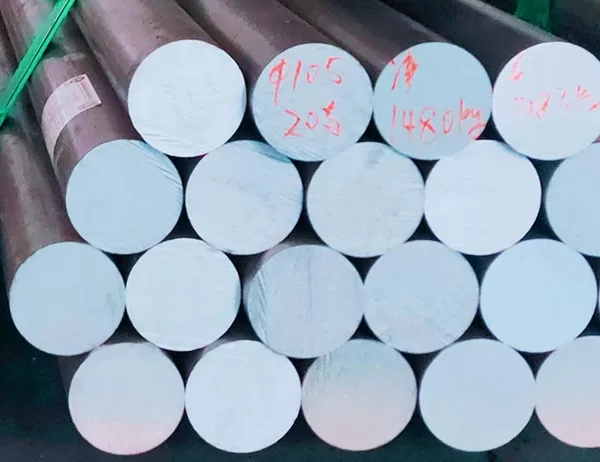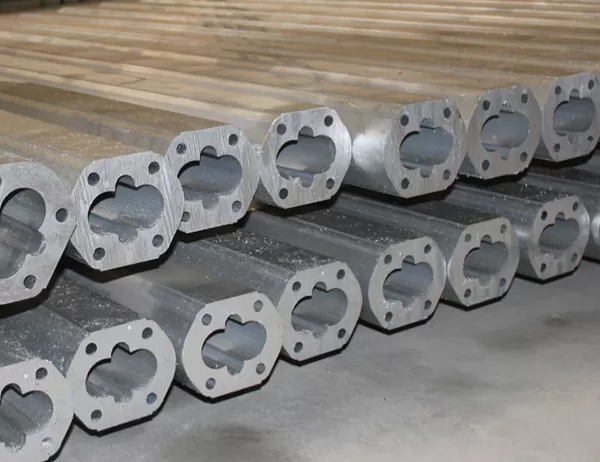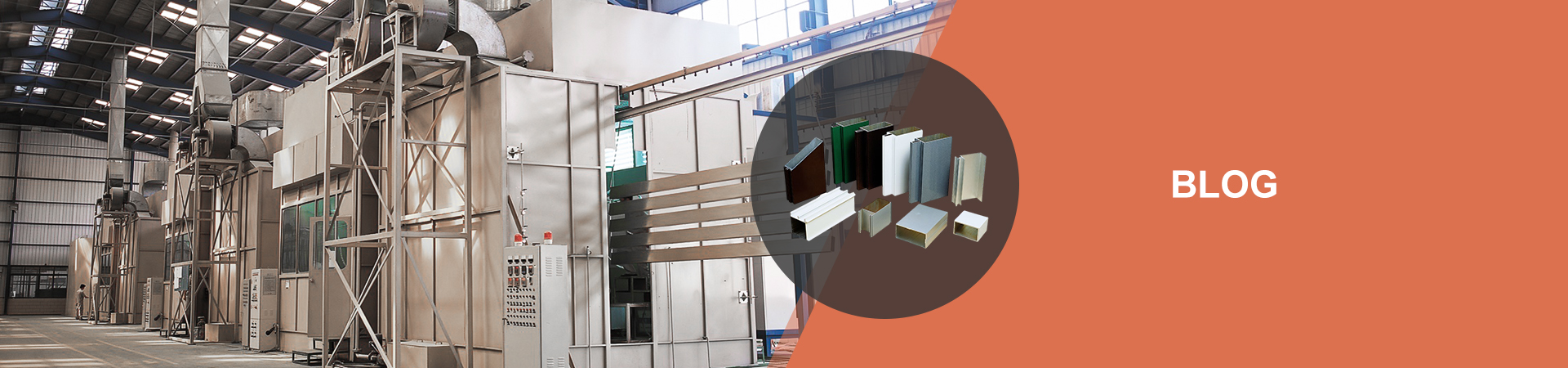
Wardrobe aluminium profiles play a crucial role in the durability, functionality, and aesthetics of your wardrobe. Choosing the right profiles is essential to ensure that your wardrobe meets your specific needs and lasts for years to come. Here are some key considerations to keep in mind when selecting wardrobe aluminium profiles:
The quality of the aluminium used in the profiles is paramount. Look for profiles made from high-grade aluminium alloys, such as 6063-T5 or 6061-T6, which offer excellent strength, durability, and corrosion resistance. Avoid profiles made from recycled or low-grade aluminium, as they may be prone to bending, warping, or breaking over time.
The thickness of the profiles determines their overall strength and load-bearing capacity. For standard wardrobes, profiles with a thickness of 1.2-1.5 mm are generally sufficient. However, for heavy-duty wardrobes or those intended to support multiple garments, profiles with a thickness of 1.8-2.0 mm or more are recommended.
The surface treatment protects the profiles from scratches, corrosion, and wear. Choose profiles that have been anodized or powder-coated. Anodizing creates a hard, protective oxide layer on the surface, while powder-coating provides a durable and scratch-resistant finish.
The design of the profiles should complement the overall style of your wardrobe. Choose profiles with a shape and finish that matches the decor of your room. Consider profiles with curved edges or decorative elements to add a touch of sophistication to your wardrobe.
Consider the specific functions you require from your wardrobe. Do you need profiles that can support heavy garments? Are you looking for profiles that can accommodate sliding doors or drawers? Make sure the profiles you choose are compatible with the desired functionality and meet your specific requirements.
Ensure that the profiles you select are compatible with the rest of the wardrobe system. Check if the profiles are compatible with the tracks, hinges, and other components used in your wardrobe. Incompatible profiles can lead to misalignment, difficulty in assembly, or premature failure.
Choose profiles that are designed for long-term durability. Look for profiles with a robust construction, high-quality materials, and a durable surface treatment. Avoid profiles with sharp edges or thin sections that may be prone to damage or breakage.
Select profiles from a reputable brand with a proven track record in the industry. Reputable brands typically use high-quality materials, employ advanced manufacturing techniques, and offer reliable warranties. By choosing profiles from a reputable brand, you can ensure peace of mind and the longevity of your wardrobe.