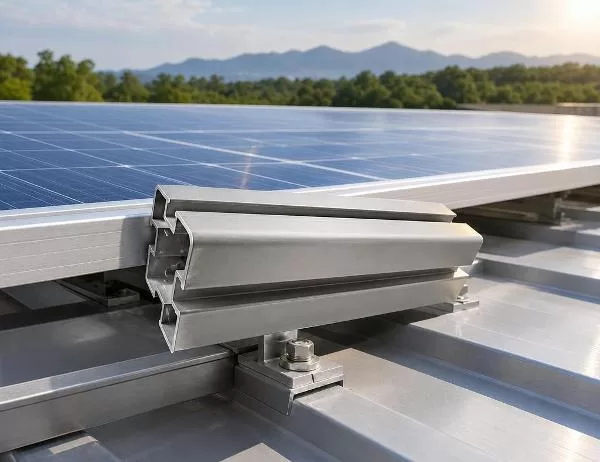
In the realm of solar energy harnessing, the selection of aluminum extrusions for solar panel frames is a crucial decision that can significantly impact system efficiency, durability, and aesthetics. Here are key considerations to guide this critical specification process:
Material Properties
– Alloy Selection: Opt for alloys that offer a balance of strength, corrosion resistance, and weldability. 6000-series alloys (e.g., 6061, 6063) are commonly used for their optimal combination of these properties.
– Temper: The temper or heat treatment applied to the extrusion determines its strength and hardness. H112 or H116 tempers are preferred for solar panel frames, providing a suitable balance of strength and ductility.
Design Considerations
– Structural Integrity: Extrusions should be designed to withstand the static and dynamic loads encountered during panel installation, transportation, and operation. Consider wind loads, snow loads, and thermal expansion.
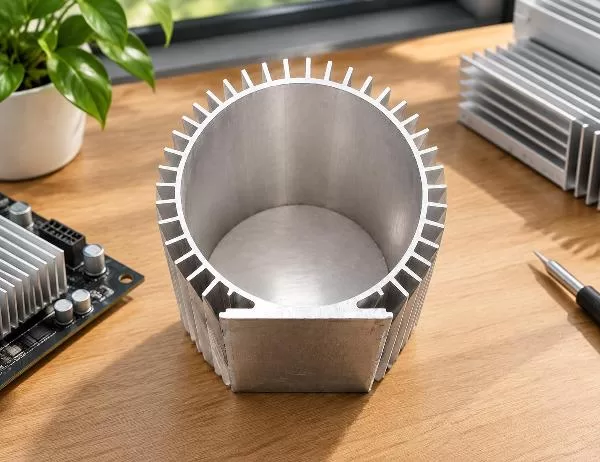
– Thermal Management: Aluminum’s excellent thermal conductivity helps dissipate heat generated by solar panels. Extrusions with optimized heat transfer surfaces will enhance panel efficiency and prevent overheating.
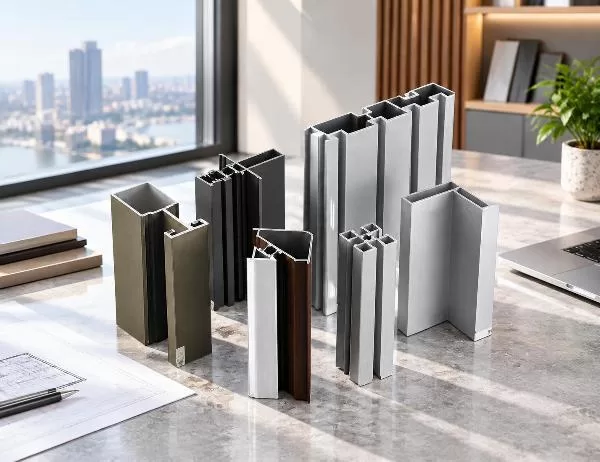
– Aesthetics: The visual appeal of solar panel frames can impact the overall aesthetics of a building or installation. Choose extrusions with a clean and consistent finish that aligns with the desired design intent.
Environmental Factors
– Corrosion Resistance: Extrusions must withstand harsh environmental conditions, including exposure to moisture, salt, and UV radiation. Proper surface treatments, such as anodizing or powder coating, are essential to enhance their corrosion resistance.
– Weather Resistance: Solar panel frames must endure extreme weather conditions, such as high temperatures, freezing temperatures, and UV exposure. Extrusions with sufficient weather resistance will prevent degradation and maintain their structural integrity.
Manufacturing Considerations
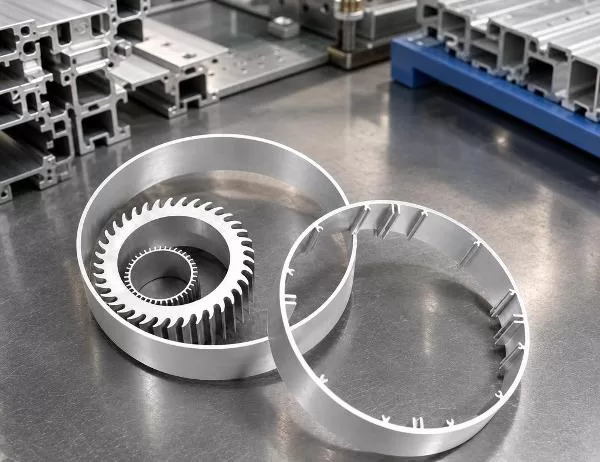
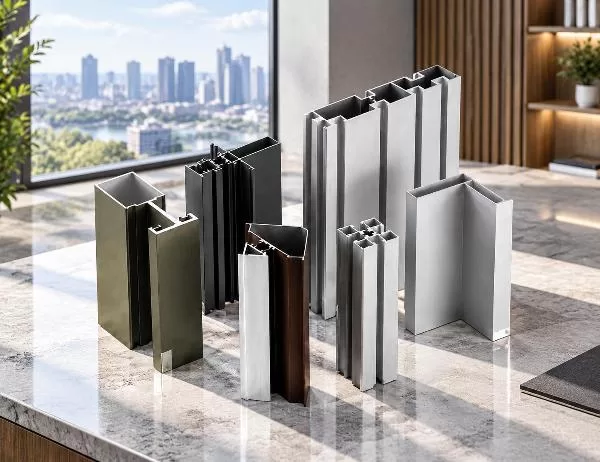
– Extrusion Profile: The shape and geometry of the extrusion profile influence its strength, weight, and cost. Consider the specific requirements for panel mounting, wire management, and thermal dissipation.
– Tolerance Control: Precision in extrusion dimensions is crucial for proper panel alignment and sealing. Tight tolerances and consistent profiles ensure a secure and weathertight frame assembly.
– Post-Processing: Consider the feasibility of post-processing operations, such as cutting, drilling, and bending. Extrusions should exhibit good machinability to facilitate these processes.