Lightweight Solutions with 6101 Aluminium Alloy: A Comprehensive Exploration
Introduction
In the realm of engineering materials, the quest for lightweight yet robust solutions has led to the development of innovative alloys. Among these, 6101 aluminium alloy stands out for its remarkable properties, making it an ideal choice for diverse applications. This article delves into the multifaceted advantages of 6101 aluminium alloy, exploring its exceptional strength, corrosion resistance, and workability.
Unparalleled Strength-to-Weight Ratio
6101 aluminium alloy boasts a remarkable strength-to-weight ratio, significantly exceeding that of traditional materials such as steel. This superior strength allows for the creation of lightweight structures that can withstand demanding loads without compromising stability. In aerospace applications, the use of 6101 aluminium alloy enables engineers to design aircraft and spacecraft that are both robust and efficient.
Enhanced Corrosion Resistance
In harsh environments prone to moisture and corrosive elements, 6101 aluminium alloy exhibits exceptional resistance to corrosion. The presence of magnesium in the alloy forms a protective oxide layer on its surface, effectively shielding it from degradation. This remarkable corrosion resistance makes 6101 aluminium alloy an ideal choice for applications in marine environments, chemical processing facilities, and architectural structures exposed to severe weather conditions.
Excellent Weldability and Formability
The workability of 6101 aluminium alloy is another key advantage. It can be readily welded, allowing for the fabrication of complex structures. The alloy also exhibits exceptional formability, enabling it to be shaped into intricate designs with ease. This versatility makes 6101 aluminium alloy suitable for a wide range of applications, from automotive components to medical devices.
Reduced Fuel Consumption and Emissions
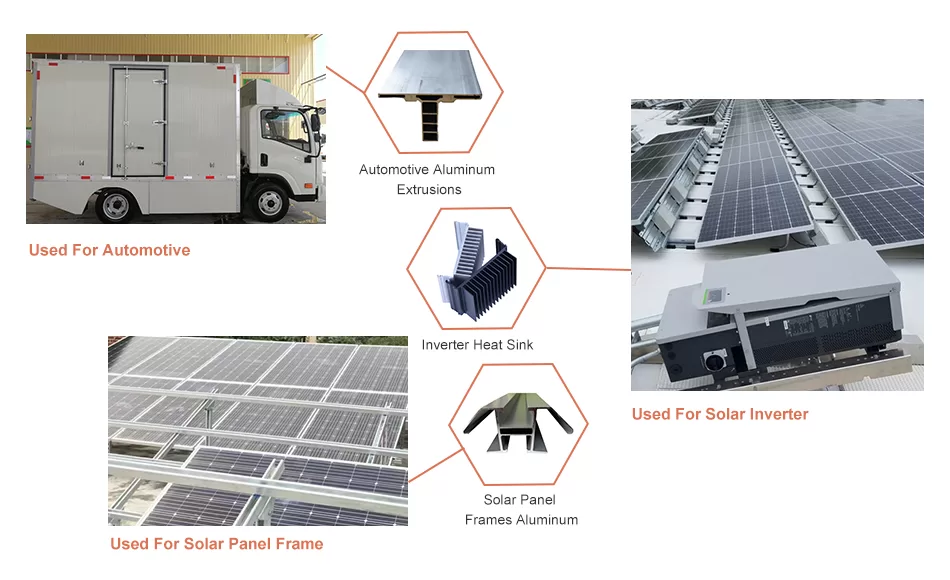
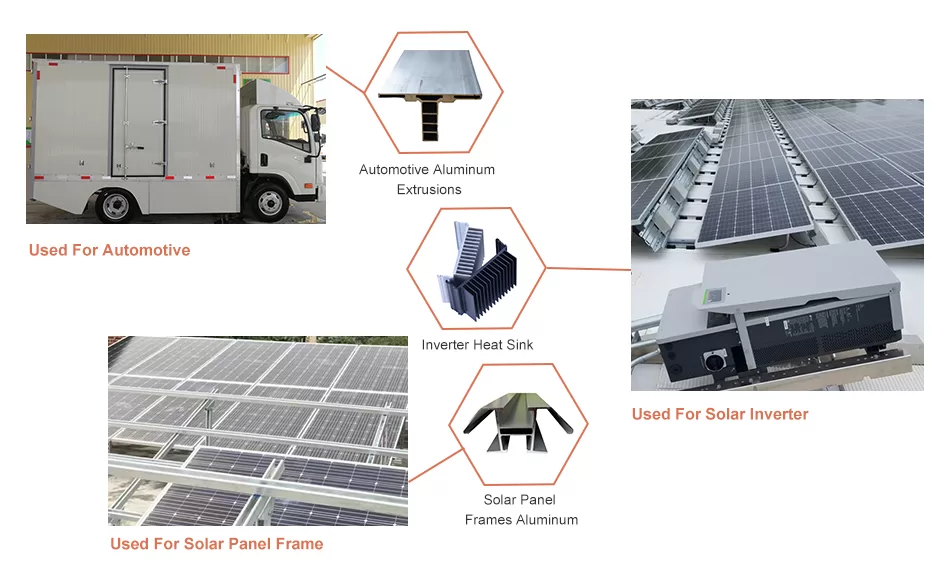
In transportation applications, the lightweight nature of 6101 aluminium alloy contributes to reduced fuel consumption and emissions. The reduced mass of vehicles translates into lower energy requirements for propulsion, leading to improved fuel efficiency. This eco-friendly aspect makes 6101 aluminium alloy an attractive choice for the automotive industry, promoting environmental sustainability.
Applications Across Diverse Industries
The exceptional properties of 6101 aluminium alloy have found applications in a multitude of industries. In the automotive sector, it is used in engine blocks, suspension components, and body panels. In aerospace, its use in aircraft fuselages and wings contributes to increased efficiency and performance. The corrosion resistance of 6101 aluminium alloy makes it ideal for marine applications, such as ship hulls and offshore structures.
Conclusion
Lightweight Solutions with 6101 Aluminium Alloy provides a comprehensive exploration of the remarkable properties of this alloy. Its exceptional strength-to-weight ratio, enhanced corrosion resistance, excellent weldability, reduced fuel consumption, and diverse applications across industries make it a formidable material for modern engineering. As the demand for lightweight yet robust solutions continues to grow, 6101 aluminium alloy is poised to play a pivotal role in shaping the future of engineering innovation.