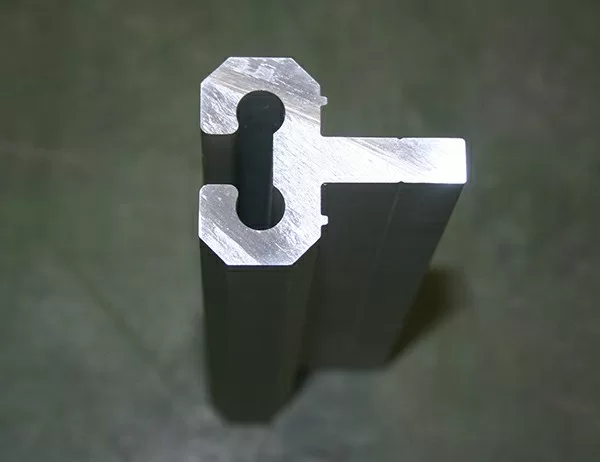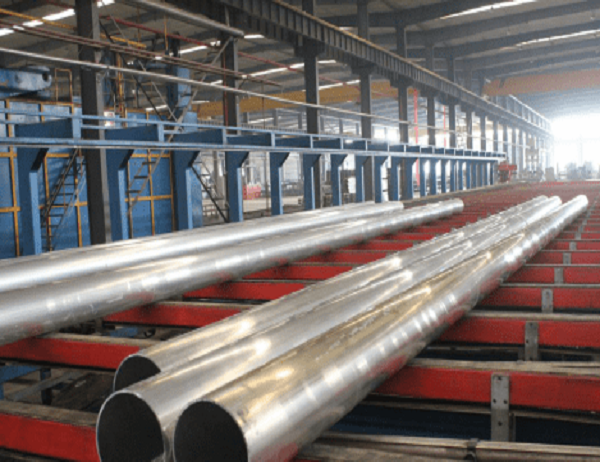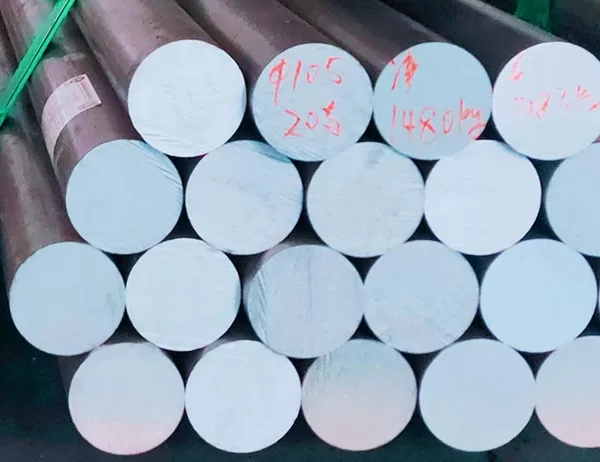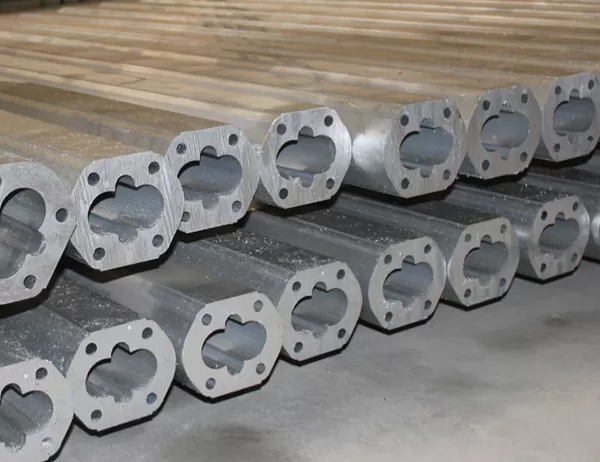
In the realm of modern engineering, the quest for lightweight, durable materials has led to the advent of 6101 aluminum alloy. Boasting an exceptional strength-to-weight ratio and remarkable resilience, this remarkable alloy has emerged as a cornerstone for various structures, from towering skyscrapers to sleek aircraft. Maintaining and preserving the longevity of these structures is paramount to ensure their continued safety and optimal performance.
Maintaining Structural Integrity
6101 aluminum alloy is renowned for its exceptional corrosion resistance. However, exposure to harsh environments, such as marine or industrial settings, can still lead to corrosion and degradation. Regular inspections and preventive maintenance measures are crucial to identify and address any potential issues early on. These measures include cleaning, painting, and applying protective coatings to shield the alloy from environmental hazards.
Minimizing Fatigue Damage
Fatigue damage, a gradual deterioration of material under repeated loading, is a significant concern for 6101 aluminum alloy structures. To mitigate fatigue and extend the lifespan of these structures, it is essential to minimize stress concentrations. This can be achieved through design modifications, such as reducing sharp edges or introducing reinforcing elements, as well as through load management strategies that minimize cyclic loading and vibrations.
Monitoring and Repair
Routine monitoring and testing are vital for assessing the health of 6101 aluminum alloy structures. Non-destructive testing techniques, such as ultrasonic or magnetic particle inspection, can detect flaws, cracks, or other defects that may not be visible to the naked eye. Prompt repairs and reinforcement measures can prevent minor issues from escalating into critical structural failures.
Conclusion
Preserving the longevity of 6101 aluminum alloy structures requires a comprehensive approach that encompasses regular maintenance, preventive measures, and ongoing monitoring. By adhering to these practices, engineers and asset managers can ensure the safety and extended lifespan of these vital structures, demonstrating the enduring strength and reliability of this remarkable alloy in modern construction.