Introduction
The 6101 aluminium alloy is renowned for its exceptional strength, toughness, and corrosion resistance. Its unique composition makes it highly sought after in various industries, including aerospace, automotive, and marine applications. To harness the full potential of this alloy, specialized manufacturing techniques are employed to produce high-quality products that meet stringent industry standards.
Extrusion
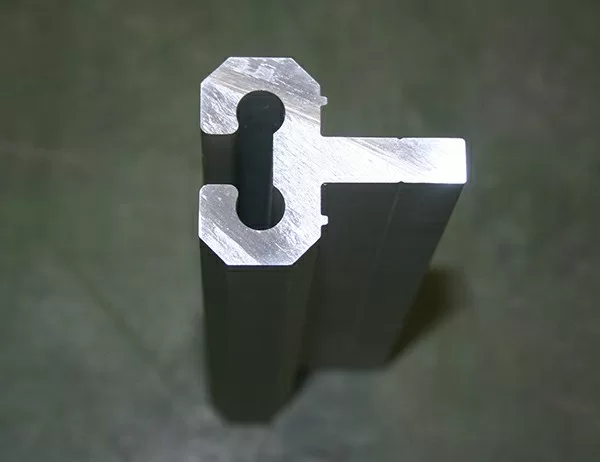
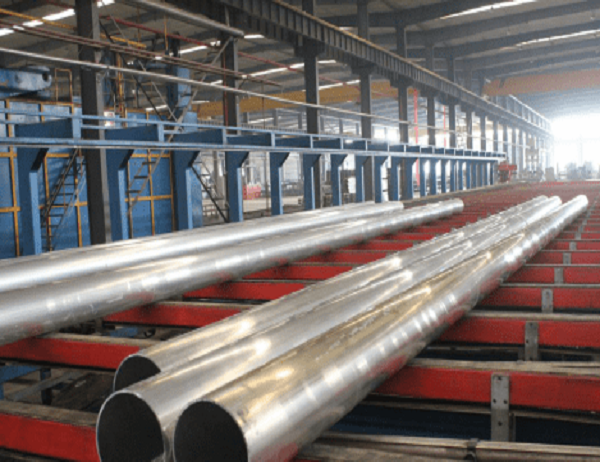
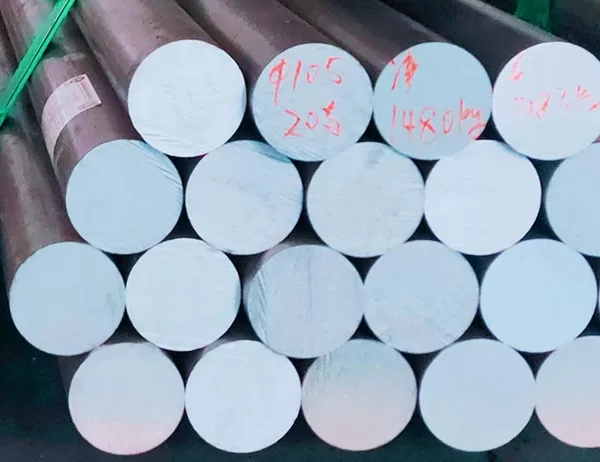
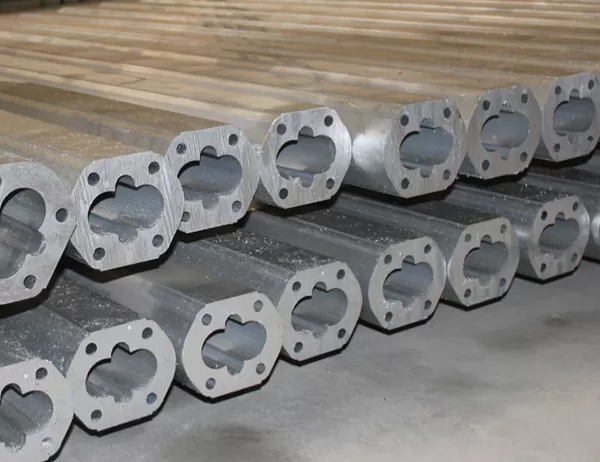
Extrusion is a widely used technique for forming aluminium alloys into complex shapes. In this process, a billet of 6101 aluminium is heated and forced through a die to produce a continuous profile with a specific cross-sectional shape. Extrusion allows for precise control over the dimensions and surface finish of the product, making it suitable for applications requiring tight tolerances.
Forging
Forging involves shaping metal under immense pressure, typically using a hammer or press. This technique imparts excellent strength and fatigue resistance to 6101 aluminium products. Forging can produce intricate shapes with fine details, while also enhancing the alloy’s grain structure and mechanical properties.
Casting
Casting encompasses a range of processes where molten aluminium is poured into a mold and allowed to solidify. Sand casting, die casting, and investment casting are common techniques used for 6101 aluminium alloy products. Casting offers flexibility in producing complex geometries and large-scale components, making it suitable for applications where intricate designs and high volume are required.
Heat Treatment
Heat treatment is a crucial step in the manufacturing process of 6101 aluminium alloys. By carefully controlling temperature and time, heat treatment can alter the microstructure of the alloy, significantly enhancing its mechanical properties. The most common heat treatment processes for 6101 aluminium include solution annealing, quenching, and aging.
Joining
Joining techniques are essential for assembling 6101 aluminium alloy components. Welding, riveting, and adhesive bonding are widely used methods. Welding involves fusing the surfaces of two metal pieces together using heat, while riveting involves securing components with mechanical fasteners. Adhesive bonding utilizes specialized adhesives to create strong and durable connections.
Surface Treatment
To enhance the durability and aesthetics of 6101 aluminium alloy products, various surface treatments can be applied. Anodizing, a process that involves forming a protective oxide layer on the metal’s surface, is commonly used to improve corrosion resistance and wear resistance. Additionally, painting, powder coating, and chemical etching are employed to achieve desired surface finishes and protect the alloy from the environment.
Quality Control
Maintaining high product quality is paramount in the manufacturing of 6101 aluminium alloy products. Rigorous quality control measures are implemented throughout the production process to ensure that products meet specifications and industry standards. These measures include non-destructive testing, such as ultrasonic inspection and radiographic examination, as well as mechanical testing to verify strength and toughness.