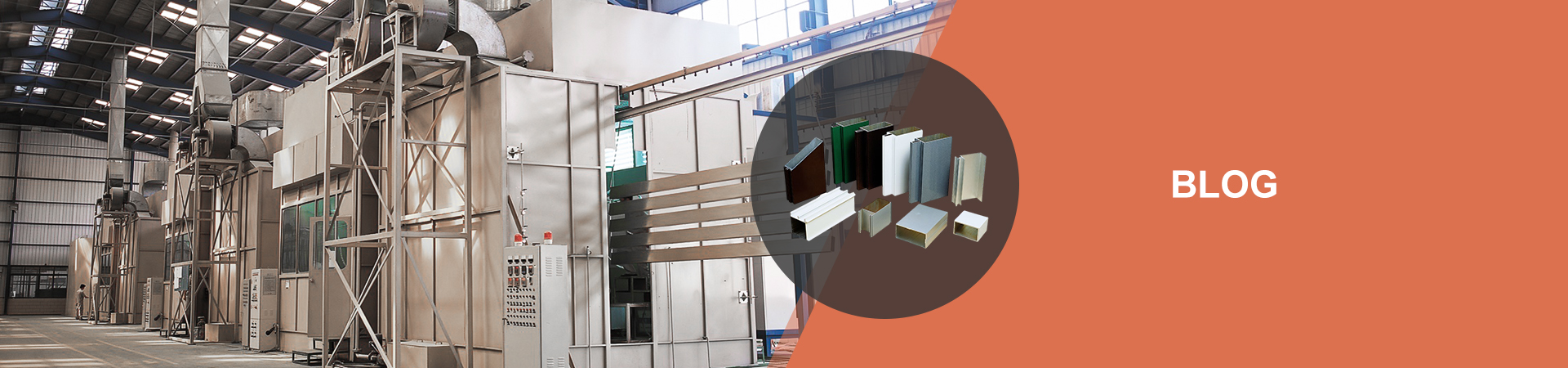
Extruded aluminum tubes are a critical component in various industries, from aerospace to construction. Their lightweight, high strength, and corrosion resistance make them an ideal material for applications where performance is paramount. Optimizing the performance of extruded aluminum tubes requires careful consideration of several key factors, including material selection, extrusion process, and post-processing treatments.
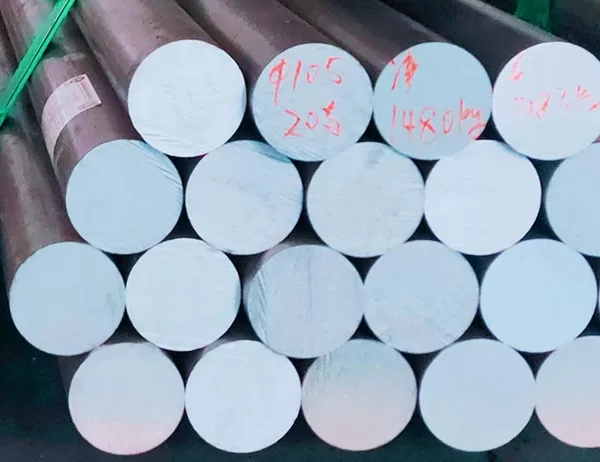
The choice of aluminum alloy is crucial for achieving the desired performance characteristics. Different alloys offer unique combinations of strength, ductility, corrosion resistance, and weldability. Common alloys used for extruded aluminum tubes include 6061, 6063, and 7075. Selecting the optimal alloy depends on the specific application requirements.
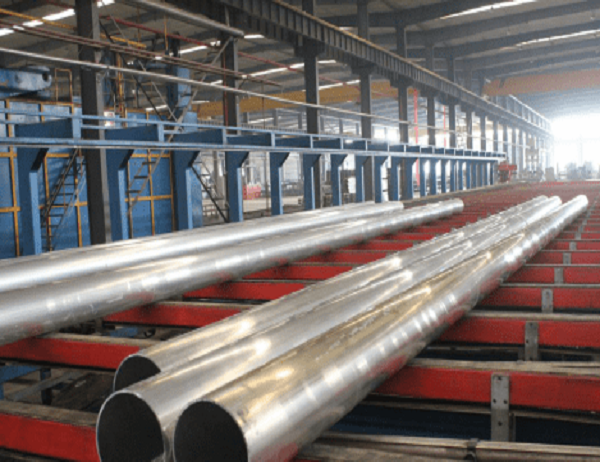
The extrusion process involves forcing molten aluminum through a die to create the desired shape. Controlling the extrusion parameters, such as temperature, pressure, and speed, is essential for optimizing the tube’s mechanical properties. Improper extrusion can lead to defects, such as surface imperfections, internal porosity, and uneven grain structure, which can compromise performance.
Post-processing treatments can further enhance the performance of extruded aluminum tubes. Annealing improves ductility, while aging increases strength and hardness. These processes optimize the tube’s microstructure and tailor its mechanical properties to meet specific application requirements. Additionally, surface treatments, such as anodizing or powder coating, can improve corrosion resistance and aesthetics.
The wall thickness of the tube plays a significant role in its structural integrity. Thicker walls provide higher strength but increase weight. Determining the optimal wall thickness requires balancing structural requirements with weight considerations. Wall thickness can be varied along the tube’s length to create custom shapes and optimize performance.
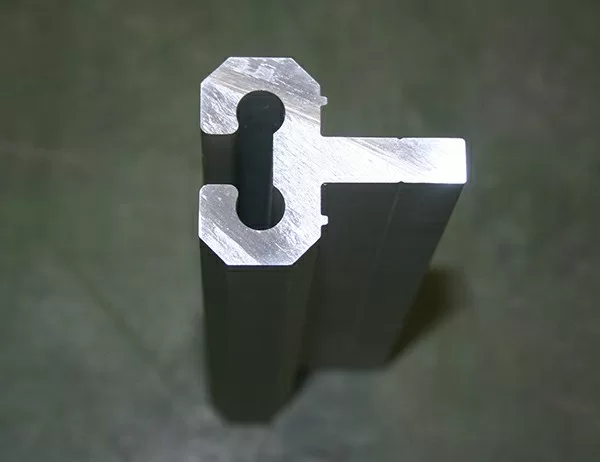
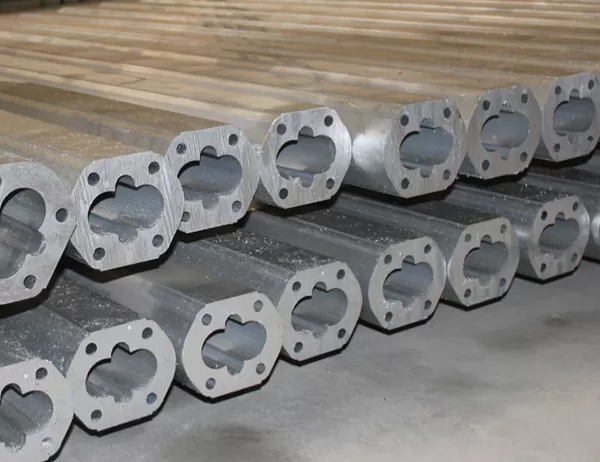
Dimensional accuracy is crucial for ensuring proper fit and function. Extruded aluminum tubes can be precisely manufactured to meet tight tolerances, ensuring precise alignment and compatibility with other components. Advanced extrusion techniques, such as multi-axis extrusion, enable the production of complex shapes with high dimensional accuracy.
The surface finish of the tube influences its aesthetic appeal, corrosion resistance, and thermal properties. Extrusion processes can produce tubes with various surface finishes, from smooth and polished to textured or patterned. Post-processing treatments, such as grinding, brushing, or polishing, can further enhance the surface finish.
Optimizing performance with extruded aluminum tubes requires a comprehensive approach that considers material selection, extrusion process, post-processing treatments, wall thickness, dimensional accuracy, and surface finish. By carefully tailoring these factors, engineers can create extruded aluminum tubes that meet the demanding requirements of various applications, ensuring exceptional performance and longevity.