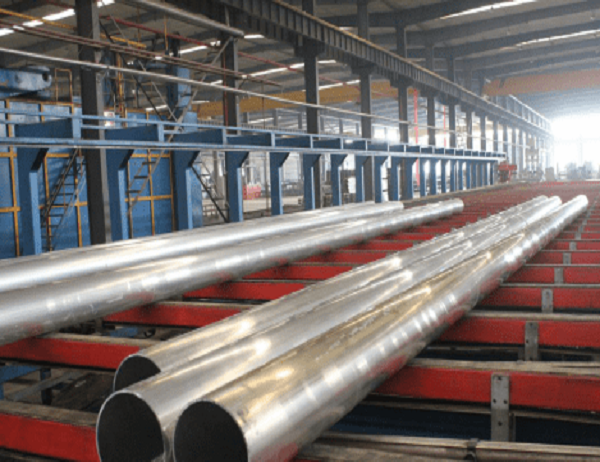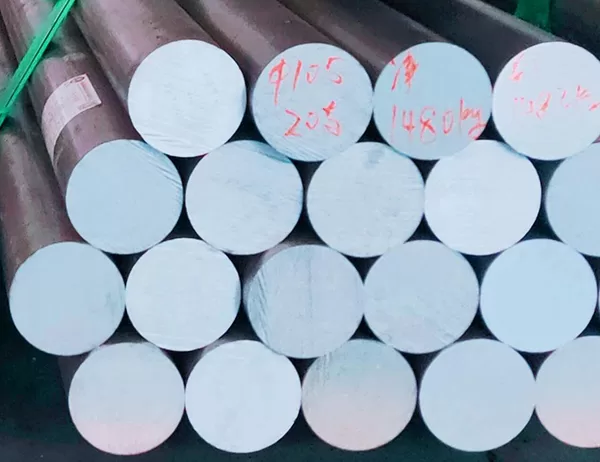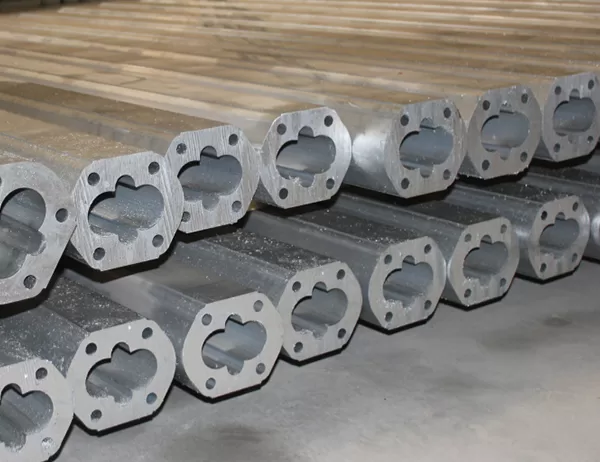
Extruded aluminum pipes offer a unique combination of strength, lightweight, and corrosion resistance, making them ideal for various applications. However, sustainable practices demand careful consideration of the environmental impact associated with their production and disposal. This article explores the recycling and sustainability aspects of extruded aluminum pipes, providing insights into their environmental benefits and the initiatives in place to promote their responsible use.
Environmental Benefits of Recycling Extruded Aluminum Pipes
Recycling aluminum pipes significantly reduces energy consumption and greenhouse gas emissions compared to primary aluminum production. It requires only a fraction of the energy needed to extract, refine, and process raw aluminum, contributing to a smaller carbon footprint. Additionally, recycling aluminum prevents valuable resources from ending up in landfills, conserving natural reserves and reducing the need for mining.
Sustainability Initiatives in Aluminum Pipe Production
The aluminum industry has implemented several initiatives to improve the sustainability of extruded aluminum pipe production. These include:
Energy Efficiency
Modern production facilities employ energy-efficient technologies, such as variable-speed drives and regenerative braking systems, to minimize energy consumption.
Renewable Energy
Many aluminum smelters have transitioned to renewable energy sources, such as solar and hydropower, to power their operations, reducing greenhouse gas emissions.
Closed-Loop Recycling
Closed-loop recycling programs work with manufacturers and end-users to collect and reintroduce aluminum scrap into the production process, minimizing waste and maximizing resource efficiency.
Product Design
Engineers design extruded aluminum pipes to optimize material usage, reducing waste and weight while maintaining structural integrity.
Recycling Processes for Extruded Aluminum Pipes
Recycling extruded aluminum pipes generally involves the following steps:
Collection
Aluminum pipes are collected from various sources, including construction sites, manufacturing facilities, and scrap yards.
Sorting
The pipes are sorted based on their alloy composition to ensure compatibility for recycling.
Cleaning
Pipes are cleaned to remove contaminants, such as dirt, grease, and coatings, which can interfere with the recycling process.
Melting
The sorted and cleaned pipes are melted in furnaces, where they are purified and prepared for extrusion.
Extrusion
The molten aluminum is extruded into new aluminum pipes, which can be used in various applications.
Conclusion
Recycling extruded aluminum pipes is a crucial aspect of sustainable aluminum production and consumption. It reduces environmental impact, conserves resources, and promotes the circular economy. The aluminum industry’s ongoing initiatives and recycling programs play a vital role in ensuring the sustainability of extruded aluminum pipes. By embracing sustainable practices, we can minimize the environmental footprint associated with aluminum manufacturing and contribute to a more circular and environmentally responsible future.