Inverters are essential components in various electronic systems, converting direct current (DC) to alternating current (AC). However, during operation, inverters generate significant heat, which can adversely affect their performance and longevity. Effective heat sinks are crucial in mitigating heat dissipation and ensuring the optimal functioning of inverters.
Types of Heat Sinks
Aluminum Extrusions
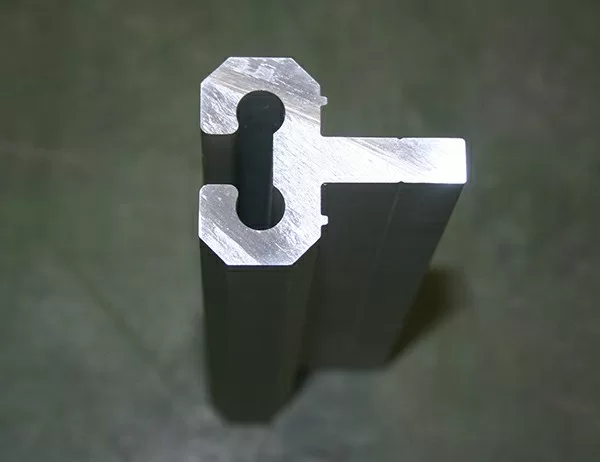
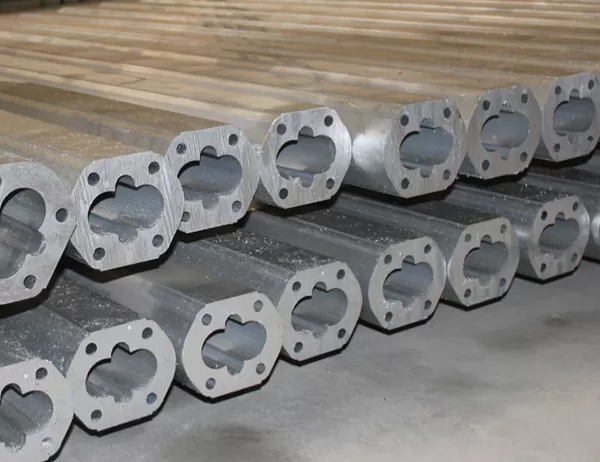
Aluminum extrusions are widely used heat sinks due to their high thermal conductivity. They can be customized to various shapes and sizes to accommodate specific inverter designs. Their compact form factor makes them ideal for space-constrained applications.
Stacked Fin Heat Sinks
Stacked fin heat sinks consist of multiple layers of thin metal fins arranged vertically. The fins increase the surface area for heat dissipation, maximizing thermal cooling. These heat sinks are typically more efficient than extrusions but require more space.
Vapor Chamber Heat Sinks
Vapor chamber heat sinks utilize a sealed enclosure containing a liquid that rapidly evaporates and condenses. The vapor flow carries heat away from the inverter, providing exceptional thermal conductivity. They are suitable for high-power inverters requiring efficient heat dissipation.
Heat Sink Design Considerations
Material
The thermal conductivity of the heat sink material is crucial. High-conductivity materials, such as aluminum, copper, or graphite, facilitate efficient heat transfer.
Surface Area
The surface area of the heat sink directly influences its heat dissipation capacity. A larger surface area allows for more heat transfer. Fins and other extended surfaces increase the available area.
Airflow
The heat sink’s orientation and placement should maximize airflow. Forced air cooling, using fans or blowers, significantly enhances heat dissipation. Proper ventilation is essential for effective heat transfer.
Thermal Interface Material
Thermal interface material (TIM) bridges the gap between the inverter and the heat sink, reducing thermal resistance. TIMs with high thermal conductivity, such as thermal grease, thermal pads, or phase-change materials, improve heat transfer efficiency.
Benefits of Effective Heat Sinks
Extended Inverter Lifespan
Heat dissipation prevents excessive temperatures that can damage inverter components. Proper cooling prolongs inverter lifespan and reduces the risk of premature failure.
Improved Performance
High temperatures can degrade inverter performance, leading to reduced efficiency and output power. Effective heat sinks ensure optimal operating temperatures, maximizing inverter performance and reliability.
Safety
Overheating can pose safety hazards, such as electrical fires or explosions. Heat sinks mitigate these risks by preventing excessive temperatures, ensuring the safe operation of inverters.
Conclusion
Effective heat sinks are essential for inverter performance, longevity, and safety. By understanding different heat sink types and design considerations, engineers can select and implement the optimal cooling solutions for their inverter applications. Proper heat management ensures the reliable and efficient operation of inverters in various electronic systems.