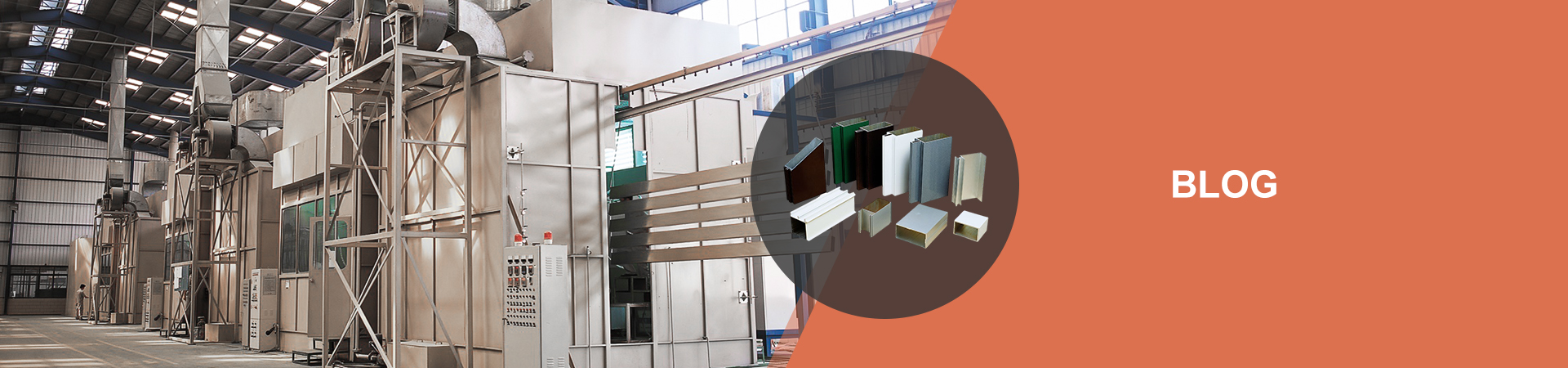
Aluminum profile partitions have gained widespread use in commercial and residential buildings due to their versatility, durability, and aesthetic appeal. However, ensuring compliance with regulatory requirements and safety standards is crucial to safeguard the health and well-being of occupants. This article explores the regulatory compliance and safety standards governing aluminum profile partitions.
Safety Standards
> Fire Resistance
Fire resistance is paramount in ensuring building safety. Aluminum profile partitions must meet specific fire resistance ratings, which indicate their ability to withstand fire exposure for a defined period. These ratings vary depending on the occupancy type and building code requirements.
> Structural Integrity
Aluminum profile partitions must possess adequate structural integrity to support loads and maintain stability under normal and extreme conditions. This includes resistance to wind pressure, seismic forces, and impact loads.
> Health and Environmental Considerations
Aluminum profile partitions should be manufactured using materials that comply with health and environmental regulations. They must not release harmful substances, such as volatile organic compounds (VOCs), into the indoor environment.
Regulatory Compliance
> Building Codes
Building codes establish minimum requirements for the design, construction, and operation of buildings, including aluminum profile partitions. These codes vary by jurisdiction and specify aspects such as fire resistance, structural integrity, and accessibility. Compliance with building codes is mandatory to obtain building permits and ensure the safety of occupants.
> Industry Standards
In addition to building codes, industry standards provide guidelines for the manufacture, installation, and maintenance of aluminum profile partitions. These standards are developed by industry organizations and serve as a benchmark for quality and safety. Compliance with industry standards helps ensure that partitions meet recognized industry practices.
> Third-Party Certifications
Third-party certifications, such as Underwriters Laboratories (UL) or the International Code Council (ICC), provide independent verification of compliance with regulatory and safety standards. These certifications involve rigorous testing and evaluation to ensure that aluminum profile partitions meet specified requirements.
Importance of Compliance and Safety
Regulatory compliance and safety standards are essential for the following reasons:
> Protection for Occupants
Compliance with safety standards safeguards occupants from fire, structural failure, and other hazards. It ensures that aluminum profile partitions meet minimum performance requirements to protect lives and property.
> Legal Liability
Non-compliance with regulatory and safety standards can result in legal liability for building owners and contractors. By ensuring compliance, organizations can mitigate risks and avoid potential legal consequences.
> Insurance Coverage
Insurance policies may require compliance with regulatory and safety standards. Failure to comply with these standards may result in denied coverage or reduced payouts in the event of a claim.
Conclusion
Regulatory compliance and safety standards for aluminum profile partitions play a crucial role in ensuring the safety and well-being of building occupants. Building owners, contractors, and manufacturers must adhere to these standards to create safe and compliant environments. Compliance not only protects occupants but also reduces legal liability and ensures insurance coverage. By understanding the regulatory and safety requirements, stakeholders can contribute to the creation of safe and sustainable buildings.