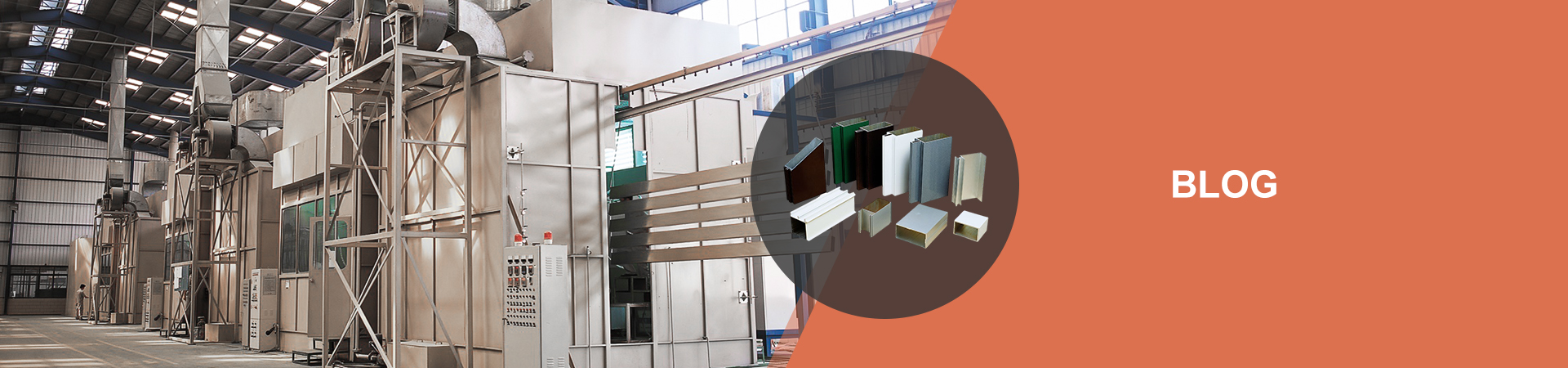
Industrial aluminum profiles are widely used in various applications due to their versatile properties such as high strength, lightweight, and corrosion resistance. However, ensuring their regulatory compliance and adherence to safety standards is crucial to minimize risks and maintain operational efficiency. This article delves into the key aspects of regulatory compliance and safety standards for industrial aluminum profiles, providing a comprehensive understanding of the requirements and benefits.
Industrial aluminum profiles must undergo rigorous testing and certification processes to ensure their quality and safety. International organizations such as the International Organization for Standardization (ISO) and the American Society for Testing and Materials (ASTM) establish industry-wide standards for the manufacture, testing, and performance of aluminum profiles. Compliance with these standards demonstrates the manufacturer’s commitment to producing high-quality products that meet specific requirements.
Precise dimensional accuracy and tolerances are essential for the proper functioning and interchangeability of industrial aluminum profiles. Regulatory standards define the permissible deviations in dimensions, ensuring that profiles can be seamlessly integrated into various applications without compromising structural integrity or performance. Adherence to these standards enables manufacturers to maintain consistency in production and minimize the risk of dimensional errors that could lead to operational issues.
Industrial aluminum profiles are subjected to various mechanical loads and stresses in their end-use applications. Regulatory standards specify the minimum requirements for mechanical properties such as tensile strength, yield strength, and elongation. Compliance with these requirements ensures that the profiles possess the necessary strength and durability to withstand the intended loads without compromising safety or structural integrity.
Fire safety is a critical aspect of industrial aluminum profiles, particularly in industries where fire hazards may exist. Regulatory standards establish performance requirements for the fire resistance of aluminum profiles, including flame spread, smoke generation, and structural stability. Compliance with these standards helps prevent the spread of fire and minimize the risk of structural failure in the event of a fire, enhancing the overall safety of industrial facilities.
Industrial aluminum profiles are often exposed to harsh environmental conditions, making corrosion resistance a critical factor in their performance and longevity. Regulatory standards define the minimum corrosion resistance requirements for aluminum profiles, ensuring that they can withstand the effects of exposure to various corrosive agents such as moisture, salt, and chemicals. Compliance with these standards extends the lifespan of profiles, reduces maintenance costs, and enhances the aesthetic appeal of the finished product.
Industrial aluminum profiles must comply with environmental regulations to minimize their impact on the environment. Regulatory standards address issues such as waste management, recycling, and hazardous substance restrictions. Compliance with these regulations ensures that the manufacturing and disposal processes for aluminum profiles are environmentally responsible, contributing to a sustainable and eco-friendly approach.
Compliance with regulatory compliance and safety standards for industrial aluminum profiles offers numerous benefits, including:
Increased safety: Adhering to safety standards minimizes risks and ensures the safe operation of industrial systems and equipment.
Improved performance: Profiles that meet quality standards exhibit enhanced performance in terms of strength, durability, and fire resistance.
Reduced costs: Compliance with standards helps prevent costly repairs, maintenance, and downtime due to premature failures or non-compliance issues.
Enhanced reputation: Companies that demonstrate a commitment to regulatory compliance gain a positive reputation for their reliability and safety consciousness.
Market access: Compliance with industry standards is often a prerequisite for market entry and international trade, ensuring that products meet the necessary requirements for different markets.
Regulatory compliance and safety standards for industrial aluminum profiles are essential to ensure the quality, performance, and safety of products used in various industries. By adhering to these standards, manufacturers can enhance the reliability, durability, and safety of their products while minimizing risks, reducing costs, and meeting customer expectations. Compliance with regulatory requirements also demonstrates a commitment to environmental responsibility and sustainability, contributing to a safer and more efficient industrial landscape.