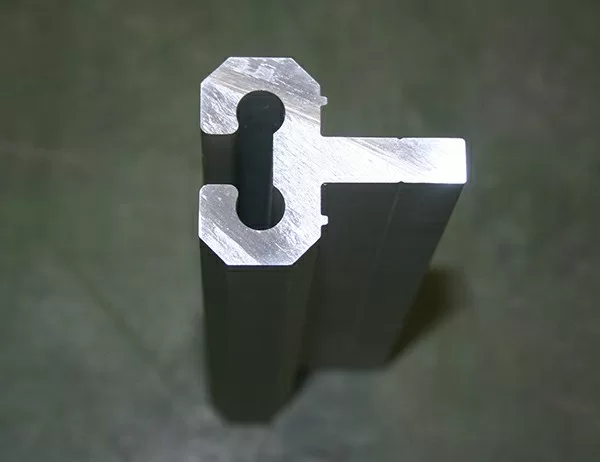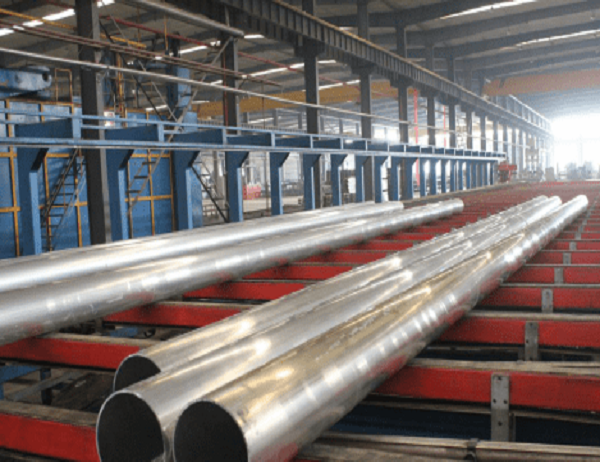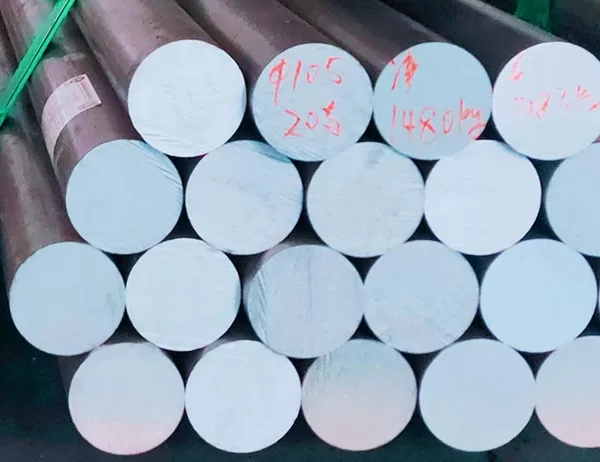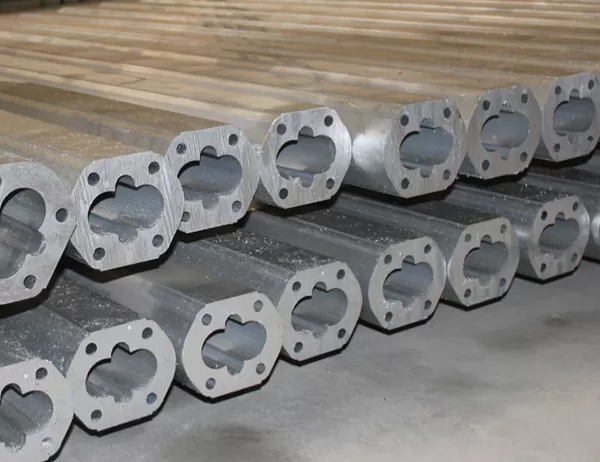
As the solar industry continues to expand rapidly, the need for stringent regulatory compliance and safety standards for solar aluminum profiles has become paramount. These profiles serve as the structural backbone of photovoltaic (PV) modules, ensuring their stability and durability in demanding environmental conditions.
Ensuring Structural Integrity and Safety
Solar aluminum profiles play a crucial role in maintaining the structural integrity of PV modules. They must withstand extreme temperatures, wind loads, and snow accumulations without compromising the safety of the system. Regulatory standards, such as those established by the International Electrotechnical Commission (IEC), define specific performance requirements that solar aluminum profiles must meet to ensure their robustness.
Preventing Electrical Hazards
Electrical safety is another critical concern in solar installations. Aluminum profiles can conduct electricity, and proper grounding and insulation are essential to prevent electrical hazards. Safety standards mandate the use of high-quality materials and proper manufacturing techniques to minimize the risk of electric shock or fires.
Addressing Corrosion and Degradation
Solar aluminum profiles are exposed to harsh environmental conditions that can lead to corrosion and degradation. Regulatory standards address these issues by requiring the use of corrosion-resistant alloys and protective coatings. By ensuring the long-term durability of these profiles, the safety and efficiency of PV systems are maintained.
Enhancing Performance and Reliability
In addition to safety considerations, regulatory compliance and safety standards also promote optimal performance and reliability of solar systems. Standardized testing methods and protocols ensure that solar aluminum profiles meet specific performance criteria, such as strength, stiffness, and thermal conductivity. This helps to optimize the efficiency of PV modules and minimize downtime.
Conclusion
Regulatory compliance and safety standards for solar aluminum profiles are essential to ensure the safety and reliability of photovoltaic systems. By adhering to these standards, manufacturers and installers can create safe and durable solar installations that contribute to the clean energy future. These standards also provide a benchmark for performance and quality, enabling consumers to make informed decisions about solar products.