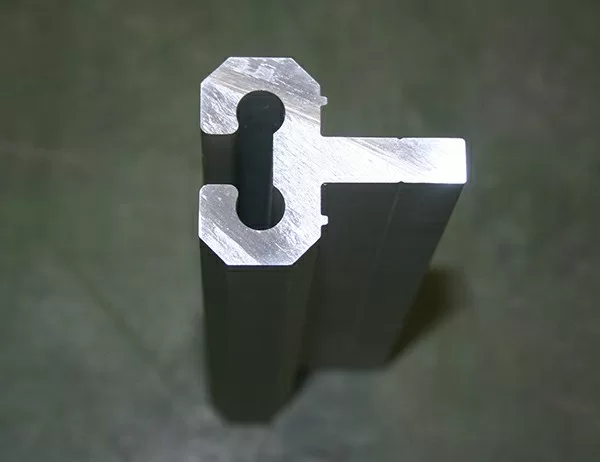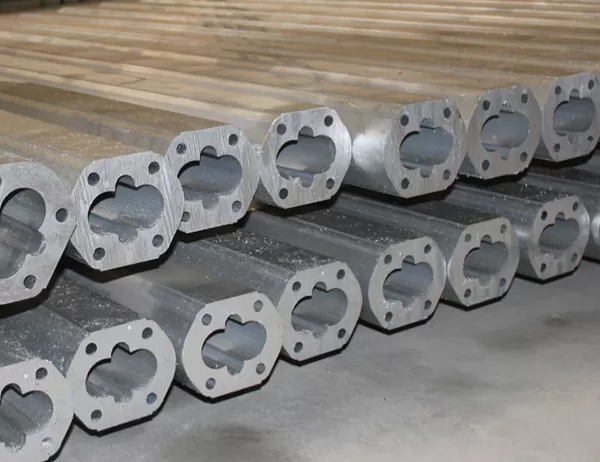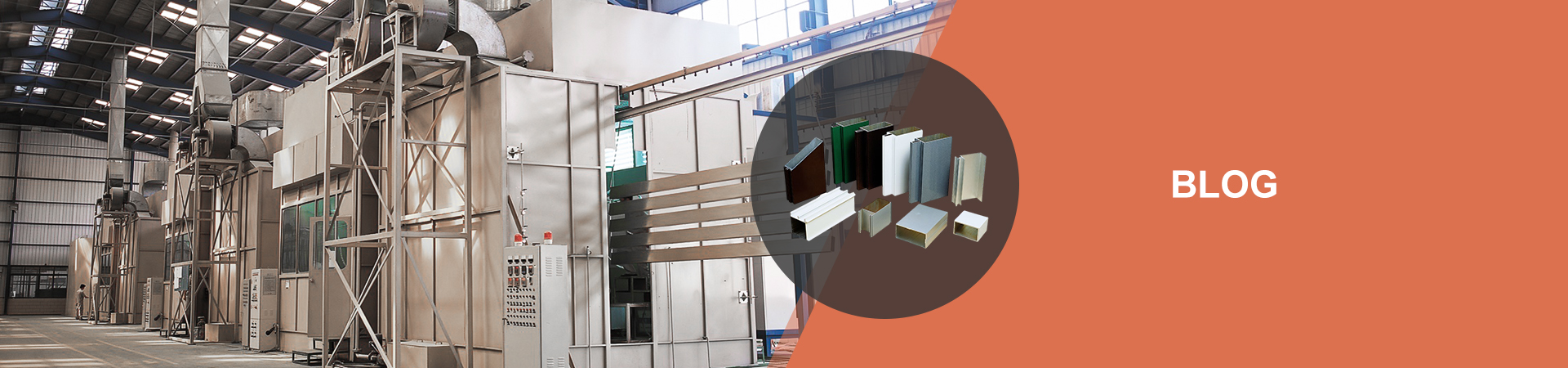
Incorporating aluminum moulding profiles into architectural designs offers a multitude of benefits, enhancing both the aesthetics and functionality of buildings. This article explores the seamless integration of aluminum moulding profiles, showcasing their versatility and value in various architectural applications.
Aluminum moulding profiles provide architects with a wide range of design options, allowing them to create visually appealing and cohesive facades. The smooth, sleek surfaces and customizable finishes of aluminum mouldings complement any architectural style, from traditional to contemporary. They can add depth, dimension, and visual interest to exterior and interior spaces, enhancing the overall aesthetic appeal of the building.
Beyond their aesthetic value, aluminum moulding profiles offer functional advantages as well. They can enhance the durability and weather resistance of buildings by protecting vulnerable areas from moisture, impact, and other environmental factors. Aluminum’s inherent strength and corrosion resistance make it an ideal material for exterior applications, ensuring long-term performance. They can also improve energy efficiency by creating a thermal barrier, reducing heat loss and lowering energy costs.
Aluminum moulding profiles are highly versatile and compatible with a variety of materials and construction methods. They can be seamlessly integrated into curtain wall systems, cladding, roofing, and other architectural elements. Their lightweight nature and ease of installation make them a practical choice for renovations and new construction projects alike. They can be customized to suit specific design requirements, ensuring a precise fit and optimal performance.
Aluminum moulding profiles are known for their exceptional durability and low maintenance requirements. Aluminum alloys are highly resistant to corrosion, rust, and UV degradation, ensuring long-lasting performance in all types of environments. The low maintenance nature of aluminum means that it retains its appearance and functionality with minimal effort, reducing the need for expensive repairs or replacements.
Despite their superior performance and aesthetics, aluminum moulding profiles offer cost-effectiveness. Their durability eliminates the need for frequent repairs and replacements, saving on long-term maintenance costs. Additionally, their ease of installation reduces labor costs during construction or renovation projects. The versatility of aluminum mouldings allows for efficient use of materials, minimizing waste and optimizing cost efficiency.
Aluminum is a highly sustainable material, making it an eco-friendly choice for architectural applications. It is 100% recyclable, minimizing its environmental impact. The use of aluminum moulding profiles promotes sustainability by reducing waste, conserving resources, and contributing to the development of a circular economy.