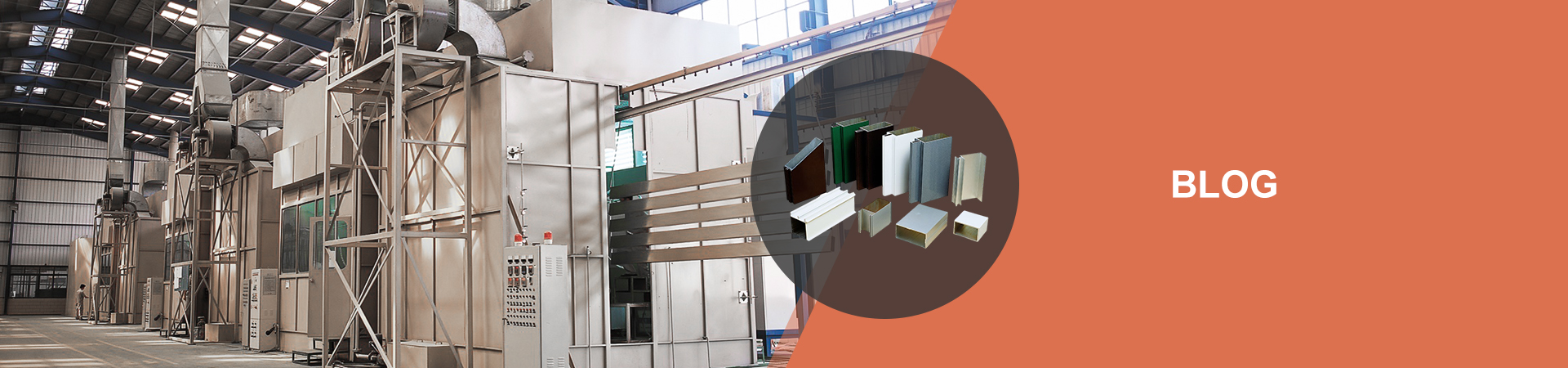
In remote areas where access to the electrical grid is limited, off-grid solar installations provide a reliable and sustainable source of electricity. Solar aluminum profiles play a vital role in these installations, by providing the structural framework for solar panels and other components. This article will elaborate on the advantages and applications of solar aluminum profiles in off-grid solar installations.
Durability and Longevity
Solar aluminum profiles are manufactured using high-quality aluminum alloys that offer exceptional resistance to corrosion, harsh weather conditions, and UV radiation. This durability ensures that the profiles can withstand the demanding environmental conditions of off-grid installations, which often involve exposure to extreme temperatures, rain, snow, and wind. The long lifespan of solar aluminum profiles, typically exceeding 25 years, minimizes the need for frequent replacements or repairs, reducing maintenance costs.
Structural Strength and Stability
The structural design of solar aluminum profiles is optimized to provide adequate support and stability for solar panels and associated equipment. These profiles are engineered to withstand high wind loads, snow loads, and other mechanical forces that could impact the solar installation. The profiles’ robust construction ensures that the solar panels remain securely mounted, maximizing energy generation and preventing system failures.
Flexibility and Customization
Solar aluminum profiles are highly versatile and can be customized to accommodate different installation requirements. They are available in various shapes, sizes, and lengths, allowing installers to design and assemble systems that fit specific project constraints. The ability to customize profiles enables the efficient use of space, reduces material waste, and facilitates the integration of solar panels into existing structures or complex roof configurations.
Easy Installation and Assembly
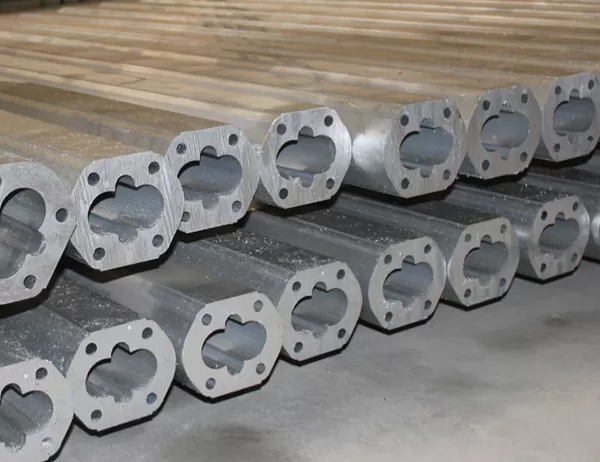
Solar aluminum profiles are designed for ease of installation and assembly. They feature pre-drilled holes, slots, and connectors that simplify the assembly process. The lightweight nature of aluminum makes handling and positioning the profiles effortless, reducing labor costs and installation time. The modular nature of solar aluminum profiles allows for quick and efficient system expansion or reconfiguration in the future.
Environmental Sustainability
Aluminum is a highly recyclable material, and solar aluminum profiles are typically manufactured from recycled aluminum. This reduces the environmental impact associated with raw material extraction and processing. The long lifespan of solar aluminum profiles further contributes to sustainability by minimizing waste generation. Additionally, solar installations themselves promote the use of renewable energy, reducing greenhouse gas emissions.
Conclusion
Solar aluminum profiles are essential components of off-grid solar installations, as they provide durability, structural strength, flexibility, ease of installation, and environmental sustainability. Their corrosion resistance, long lifespan, and structural integrity ensure that solar panels and other components are securely mounted and protected from harsh weather conditions. The flexibility and customization options of solar aluminum profiles enable installers to design and assemble systems that meet specific project requirements. The easy installation and assembly process reduces labor costs and installation time. Moreover, the use of recycled aluminum and the long lifespan of profiles contribute to the environmental sustainability of off-grid solar installations.