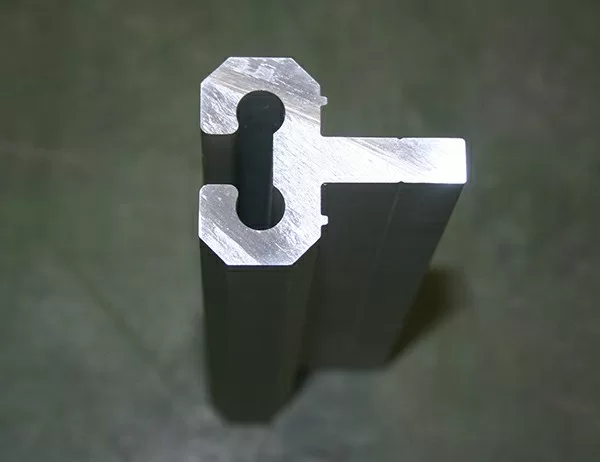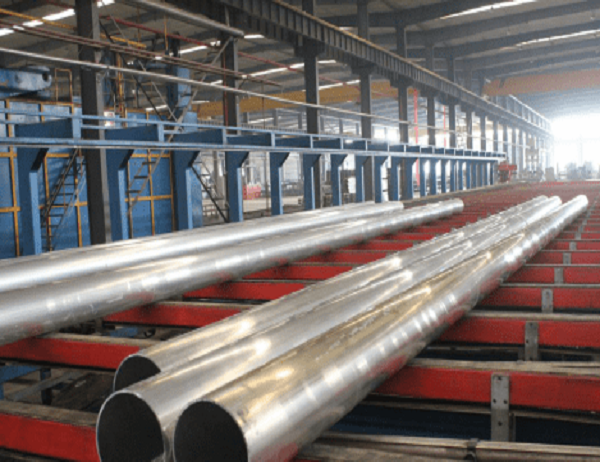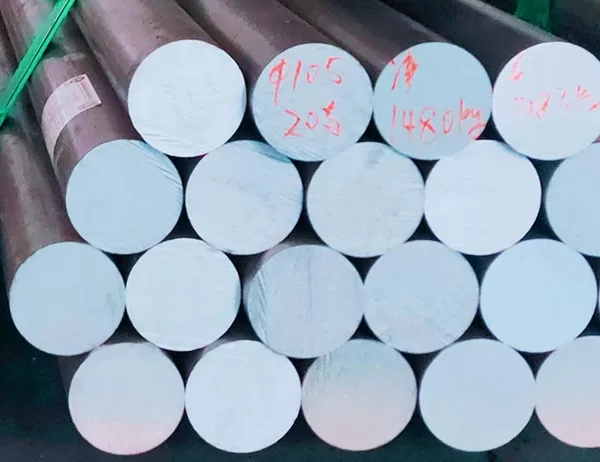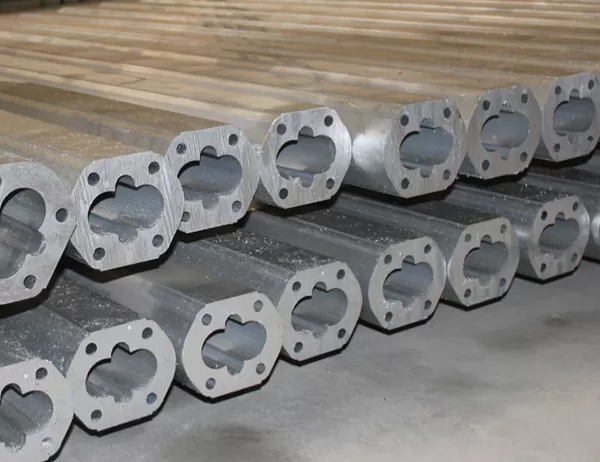
In the pursuit of a more sustainable built environment, extruded aluminum tubes have emerged as a promising material for architects and builders seeking to minimize their environmental impact. Their durability, versatility, and eco-friendly properties make them an ideal choice for various building applications.
Durability and Longevity
Extruded aluminum tubes possess exceptional durability, withstanding harsh weather conditions, corrosion, and mechanical stress. Their robust design ensures longevity in demanding environments, reducing the need for frequent repairs and replacements. This longevity contributes to sustainable building practices by minimizing material waste and reducing the environmental burden associated with manufacturing and transportation.
Energy Efficiency
Aluminum’s inherent thermal conductivity makes extruded aluminum tubes excellent conductors of heat and cold. This property enables buildings to maintain optimal temperatures while reducing energy consumption. The use of aluminum in windows and curtain walls, for example, enhances insulation, preventing heat loss in winter and heat gain in summer. By minimizing energy usage, extruded aluminum tubes promote sustainability by reducing greenhouse gas emissions and conserving natural resources.
Lightweight and Malleable
Compared to other building materials, extruded aluminum tubes are lightweight, making them easier to transport and install. Their malleability allows for complex designs and customization, enabling architects to create unique and innovative building envelopes. This design flexibility reduces material waste and allows for optimal use of space.
Recyclability and Material Savings
Aluminum is a highly recyclable material, and extruded aluminum tubes can be easily recycled at the end of their lifespan. This closed-loop process minimizes waste, conserves natural resources, and reduces the environmental impact associated with material extraction and disposal. Additionally, the use of extruded aluminum tubes in building construction can lead to significant material savings compared to traditional materials, further contributing to sustainable practices.
Conclusion
Supporting sustainable building practices with high-quality extruded aluminum tubes is a commendable approach for architects and builders seeking to reduce their environmental impact. Their durability, energy efficiency, lightweight design, recyclability, and material savings make extruded aluminum tubes an ideal choice for creating sustainable and environmentally friendly buildings that meet the demands of the 21st century. By embracing these innovative materials, the construction industry can play a pivotal role in promoting a more sustainable and resilient built environment for future generations.