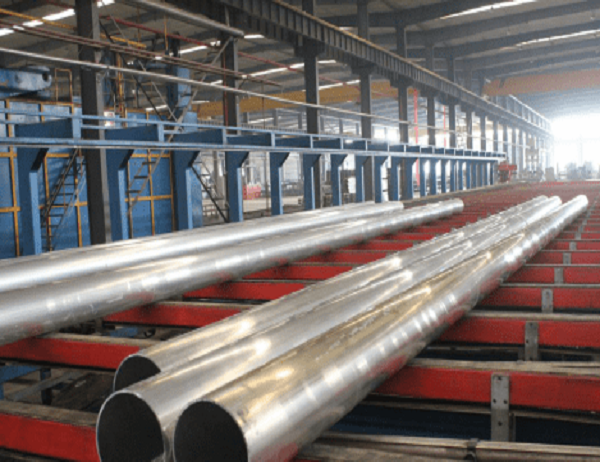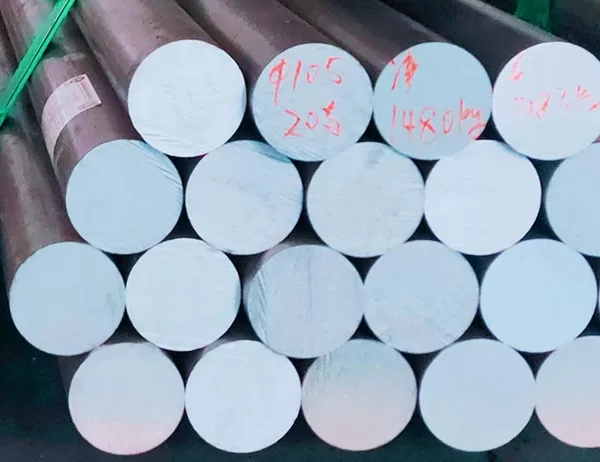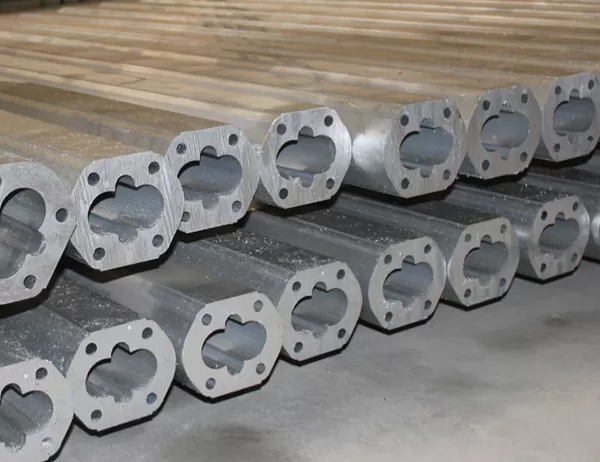
In the automotive industry, the pursuit of lightweight, high-performance vehicles is an ongoing endeavor. Aluminum alloy pipes have emerged as a prominent choice for various automotive applications due to their exceptional properties and numerous advantages. This article will delve into the advantages of using aluminum alloy pipes in the automotive sector.
Lightweight and Strength
Aluminum alloys possess an exemplary strength-to-weight ratio, making them ideal for automotive applications where weight reduction is crucial. Compared to steel pipes, aluminum alloy pipes offer significant weight savings without compromising structural integrity. This weight reduction contributes to enhanced fuel efficiency and reduced emissions, while also improving overall vehicle performance.
Corrosion Resistance
Automotive components are subjected to harsh environmental conditions, including exposure to moisture, salt, and chemicals. Aluminum alloys exhibit excellent corrosion resistance, ensuring durability and longevity in these demanding environments. The formation of a protective oxide layer on the aluminum surface prevents degradation and maintains the integrity of the pipes, extending their service life.
Thermal Conductivity
Aluminum alloys have high thermal conductivity, which allows for efficient heat dissipation from engine components. This property is particularly advantageous in applications such as radiators, intercoolers, and exhaust systems. The ability to dissipate heat effectively minimizes thermal stress, protects sensitive components, and improves overall engine performance and reliability.
Design Flexibility
Aluminum alloy pipes offer excellent formability and weldability, making them adaptable to various complex shapes and configurations. This design flexibility enables manufacturers to create custom-tailored components that meet the specific requirements of different automotive applications. The ability to bend and shape aluminum pipes without compromising their strength allows for innovative and efficient designs.
Environmental Sustainability
Aluminum is a highly recyclable material, making aluminum alloy pipes an environmentally sustainable choice for automotive applications. Recycling aluminum requires significantly less energy than producing new aluminum, reducing the carbon footprint and promoting resource preservation. The high scrap value of aluminum also incentivizes recycling, further contributing to environmental sustainability.
Conclusion
The advantages of aluminum alloy pipes in automotive applications are numerous and significant. Their lightweight, strength, corrosion resistance, thermal conductivity, design flexibility, and environmental sustainability make them an ideal choice for various vehicle components. The adoption of aluminum alloy pipes in the automotive industry is expected to continue as manufacturers strive for lightweight, high-performance, and environmentally friendly vehicles.