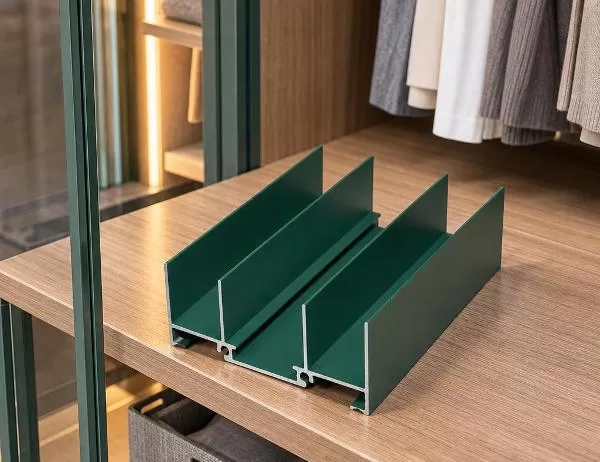
Anodizing is an electrochemical process that converts the metal surface into a decorative, durable, corrosion-resistant, anodic oxide finish. Aluminum, and its alloys, respond very well to anodizing, resulting in a wide range of benefits for T6 aluminum tubes. This article explores the numerous advantages of anodizing T6 aluminum tubes, highlighting their enhanced properties and diverse applications.
Superior Corrosion Resistance
Anodizing T6 aluminum tubes dramatically improves their corrosion resistance, making them ideal for harsh environments where exposure to moisture, chemicals, and other corrosive agents is a concern. The anodic oxide layer acts as a protective barrier, preventing the underlying aluminum from oxidizing and corroding. This resistance to corrosion extends the lifespan of the tubes, reducing maintenance costs and ensuring reliable performance over time.
Enhanced Durability and Wear Resistance
The anodic oxide layer created during anodizing significantly increases the durability and wear resistance of T6 aluminum tubes. The layer is exceptionally hard, providing resistance to scratches, abrasion, and impact. This enhanced durability makes anodized aluminum tubes suitable for demanding applications, such as in automotive components, construction materials, and marine environments.
Improved Aesthetics and Color Options
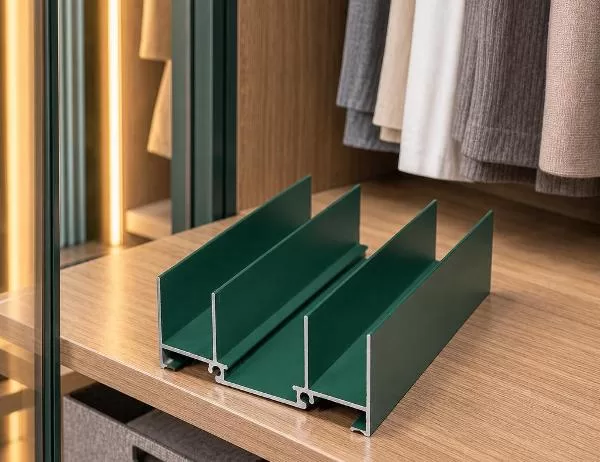
Anodizing T6 aluminum tubes offers a wide range of color options, allowing for customization to meet specific aesthetic requirements. The anodic oxide layer can be dyed in various colors, providing a vibrant and durable finish. The ability to customize the appearance of the tubes enhances their visual appeal and makes them suitable for applications where aesthetics are paramount, such as in architectural cladding and decorative elements.
Electrical Insulation and Thermal Conductivity
Anodized T6 aluminum tubes possess excellent electrical insulation properties. The anodic oxide layer acts as an insulator, preventing the flow of electricity through the metal’s surface. This property makes anodized aluminum tubes suitable for electrical applications, such as in capacitors and heat sinks. Additionally, the aluminum substrate provides good thermal conductivity, allowing for efficient heat dissipation in applications where thermal management is crucial.
Reduced Maintenance and Longer Lifespan
The enhanced durability and corrosion resistance of anodized T6 aluminum tubes translate into reduced maintenance requirements and a longer lifespan. The protective oxide layer minimizes the need for frequent cleaning and repairs, reducing operational costs and ensuring reliable performance over an extended period. This makes anodized aluminum tubes an economical choice for applications that demand long-term reliability and low maintenance.
Applications in Various Industries
Anodized T6 aluminum tubes find widespread applications across various industries due to their exceptional properties. Their corrosion resistance and durability make them suitable for use in marine environments, such as in boat hulls and offshore structures. In automotive applications, anodized aluminum tubes are used for interior and exterior components, such as trim, moldings, and decorative elements. Additionally, they are employed in construction as cladding materials, signage, and architectural accents.
Conclusion
Anodizing T6 aluminum tubes offers numerous benefits, transforming them into versatile and reliable materials with enhanced properties. The anodic oxide layer provides superior corrosion resistance, durability, and wear resistance. The ability to customize the appearance through various color options enhances their aesthetic appeal. Additionally, anodized aluminum tubes possess excellent electrical insulation and thermal conductivity properties. These benefits contribute to their widespread applications in industries ranging from marine and automotive to construction and architectural design. By utilizing anodized T6 aluminum tubes, engineers and designers can realize improved performance, reduced maintenance, and extended lifespans in their applications.