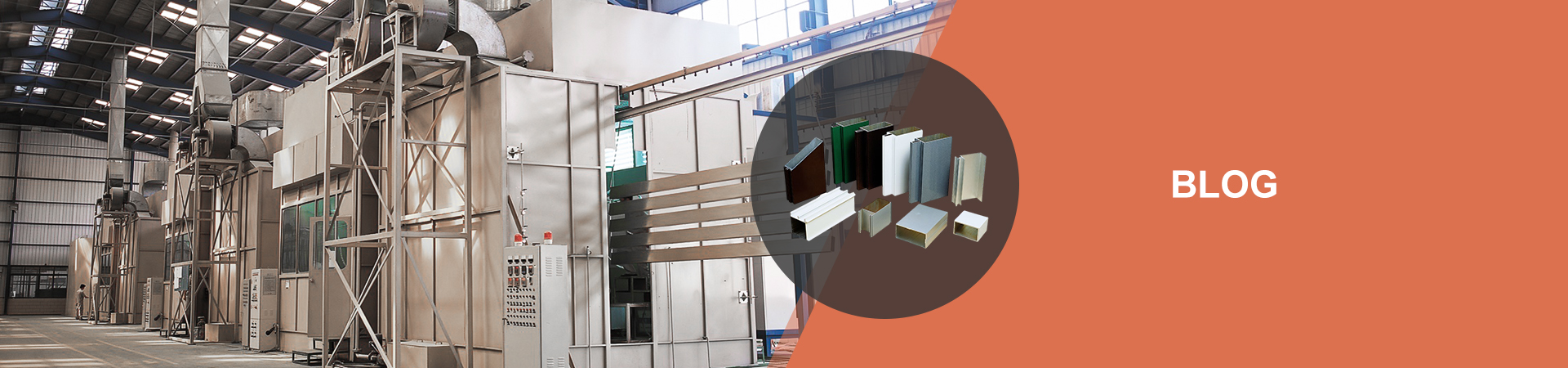
In the realm of solar energy, selecting the appropriate framing material is crucial for ensuring the longevity and performance of solar panels. Aluminum, known for its durability, lightweight nature, and corrosion resistance, has emerged as a preferred choice for solar frames. However, the choice between powder-coating and anodizing as the surface treatment can significantly impact the frames’ aesthetics, durability, and overall performance. This article explores the benefits of powder-coated versus anodized solar aluminum frames to assist you in making an informed decision.
Powder-Coating: A Durable andVersatile Option
Powder-coating involves the application of dry powder particles to the aluminum frame, which are then subjected to heat to melt and fuse the particles into a durable, paint-like finish. This process offers several advantages:
Enhanced Durability: Powder-coated frames exhibit superior resistance to chipping, peeling, fading, and wear, ensuring their aesthetic appeal and longevity even under harsh environmental conditions.
Corrosion Protection: The thick, uniform coating provides excellent protection against corrosion, preventing the formation of rust and ensuring the integrity of the frame over time.
Color Customization: Powder-coating allows for a wide range of color options, enabling you to match the frames to your architectural design or personal preferences, creating a seamless visual integration.
Smooth Finish: The powder-coating process typically results in a smooth, glossy finish that is both aesthetically pleasing and easy to clean, reducing maintenance requirements.
Anodizing: A Protective and Aesthetic Treatment
Anodizing is an electrochemical process that involves submerging the aluminum frame in an acid electrolyte bath, forming an oxide layer on the surface of the metal. This layer offers several benefits:
Increased Hardness and Strength: Anodizing significantly enhances the hardness and strength of aluminum, providing resistance to scratches, abrasion, and denting, ensuring the frame’s mechanical stability.
Improved Corrosion Resistance: The oxide layer created during anodizing provides exceptional corrosion resistance, preventing degradation and ensuring the frame’s integrity in harsh environments.
Natural Aesthetics: Anodizing creates a metallic sheen that enhances the frame’s aesthetics and complements modern architectural designs, providing a sleek and professional appearance.
Environmental Friendliness: Anodized frames are considered environmentally friendly as the process does not release harmful chemicals into the air, making it a sustainable choice.
Comparison of Powder-Coating and Anodizing
When comparing powder-coating and anodizing, the following key differences emerge:
Cost: Powder-coating is generally more cost-effective than anodizing, making it a more budget-friendly option.
Aesthetics: Powder-coating offers a wider range of color options and a smooth finish, while anodizing provides a metallic sheen and natural aesthetics.
Durability: While both treatments enhance durability, powder-coating provides superior protection against peeling and fading, while anodizing offers increased hardness and scratch resistance.
Environmental Impact: Anodizing is considered more environmentally friendly due to its lack of chemical emissions, while powder-coating can release volatile organic compounds during application.
Conclusion
The choice between powder-coated and anodized solar aluminum frames depends on the specific requirements and preferences of the project. Powder-coating offers enhanced durability, versatility, and cost-effectiveness, while anodizing provides increased hardness, corrosion resistance, and natural aesthetics. By carefully considering the advantages and disadvantages of each treatment, you can select the optimal framing solution for your solar installation, ensuring its long-term performance and visual appeal.