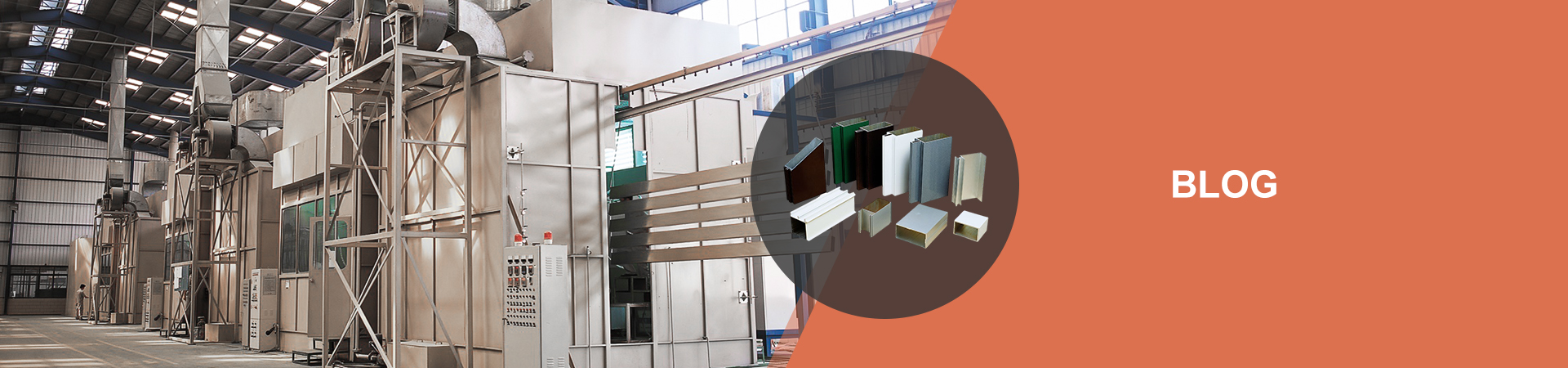
In the realm of solar energy harvesting, the choice of materials for constructing solar panels plays a crucial role in determining their efficiency and durability. Among the various materials employed, aluminum profiles, whether powder-coated or anodized, offer a plethora of advantages, each with its own unique set of benefits. This article aims to provide an in-depth comparison of powder-coated and anodized solar aluminum profiles, highlighting their respective strengths and weaknesses to aid decision-making for solar panel manufacturers and installers.
Corrosion Resistance
Corrosion is a major concern for solar panels exposed to harsh environmental conditions, as it can drastically reduce their lifespan and efficiency. Both powder coating and anodizing offer excellent corrosion protection, albeit through different mechanisms.
Powder Coating
Powder coating involves electrostatically applying a layer of dry powder to the aluminum surface, which is then melted and fused into a smooth, durable finish. This coating provides a physical barrier between the aluminum and corrosive agents, preventing moisture and chemicals from penetrating and causing damage.
Anodizing
Anodizing, on the other hand, is an electrochemical process that creates a protective oxide layer on the aluminum surface. This oxide layer is highly inert and resistant to corrosion, effectively shielding the aluminum from external factors.
Durability and Aesthetics
Durability and aesthetics are equally important considerations for solar panels. Powder-coated profiles exhibit exceptional durability due to their thick and abrasion-resistant coating. They can withstand scratches, fading, and weathering, preserving their pristine appearance for an extended period.
Powder Coating
The powder-coating process allows for a wide range of color options, providing flexibility in customization and aesthetic appeal. The coating maintains its integrity over time, ensuring a uniform and visually pleasing surface.
Anodizing
Anodized profiles offer a more metallic and textured finish compared to powder-coated ones. The oxide layer, formed during anodizing, enhances the surface hardness of the aluminum, making it more resistant to wear and impact.
Electrical Conductivity and Efficiency
Electrical conductivity is crucial for maximizing the performance of solar panels. Both powder coating and anodizing have minimal impact on the conductivity of aluminum, as long as proper application techniques are followed.
Powder Coating
Powder coating involves applying a non-conductive material to the aluminum surface. However, the coating is typically thin enough not to significantly hinder electrical flow.
Anodizing
Anodizing creates an electrochemically stable oxide layer that does not interfere with electrical conductivity. In fact, anodizing can enhance the surface conductivity of aluminum, leading to improved electrical performance of the solar panel.
Cost and Complexity
Cost and complexity are often key factors in choosing between powder coating and anodizing.
Powder Coating
Powder coating is generally less expensive than anodizing, as it requires less specialized equipment and labor. The process is relatively straightforward and can be automated.
Anodizing
Anodizing requires a controlled electrochemical environment, making it a more complex and costly process. Specialized equipment and skilled labor are necessary, which adds to the overall cost.
Conclusion
Choosing between powder-coated and anodized solar aluminum profiles ultimately depends on specific project requirements and preferences. Powder coating offers excellent corrosion resistance, durability, and affordability, while anodizing provides superior surface hardness, enhanced electrical conductivity, and a metallic finish. By carefully considering the factors discussed in this article, manufacturers and installers can make informed decisions that optimize the performance and aesthetics of their solar panels.