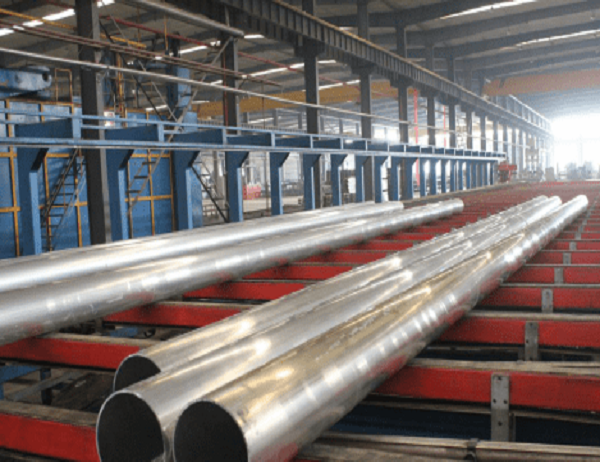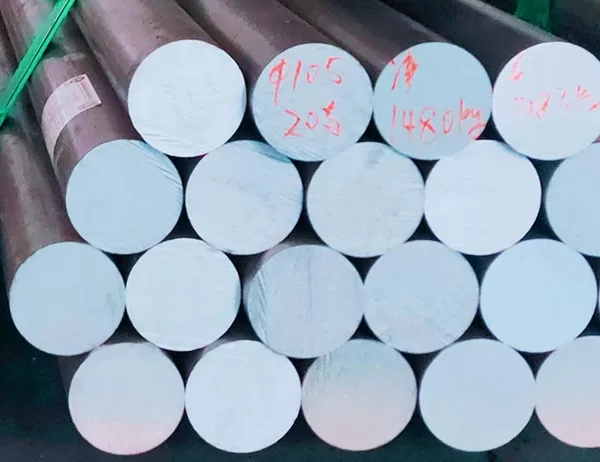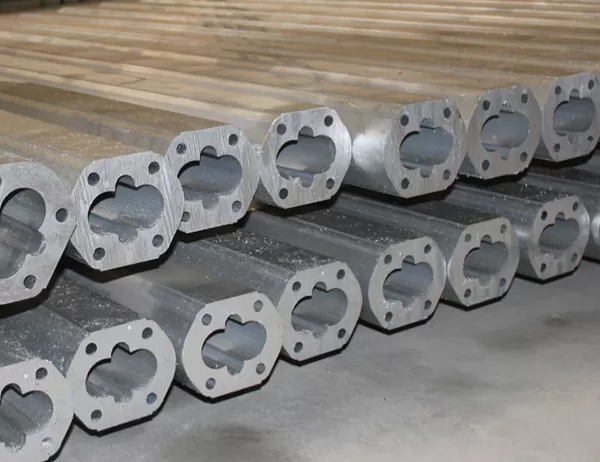
In the realm of construction and infrastructure, choosing the right materials for your projects is crucial for ensuring durability, efficiency, and overall success. Aluminum alloy pipes, with their exceptional properties and versatility, have emerged as a preferred choice for a wide range of applications. This article explores the numerous benefits of incorporating aluminum alloy pipes into your projects, highlighting their advantages in terms of strength, corrosion resistance, weight reduction, and cost-effectiveness.
Unrivaled Strength
Aluminum alloys are renowned for their exceptional strength-to-weight ratio, making them ideal for projects requiring lightweight yet robust materials. Compared to traditional steel pipes, aluminum alloy pipes offer similar or even greater strength while being significantly lighter. This attribute translates into reduced structural weight, allowing for more efficient and cost-effective designs.
Corrosion Resistance
Aluminum alloy pipes exhibit exceptional corrosion resistance, particularly when exposed to harsh environments such as marine, industrial, and coastal areas. The natural oxide layer that forms on the surface of aluminum acts as a protective barrier against corrosion, preventing premature degradation and ensuring long-term durability. Unlike steel pipes, which are susceptible to rust, aluminum alloy pipes maintain their integrity and appearance over time, reducing maintenance requirements and extending their lifespan.
Lightweight and Easy Handling
The low density of aluminum alloy makes pipes made from this material significantly lighter than their steel counterparts. This lightweight property facilitates easier handling, transportation, and installation, reducing labor costs and minimizing project delays. In applications where weight is a critical factor, such as aerospace and marine engineering, aluminum alloy pipes offer substantial advantages.
Cost-Effectiveness
Despite their superior strength and durability, aluminum alloy pipes can offer cost savings compared to traditional steel pipes in the long run. While aluminum alloy pipes may have a higher initial cost, their extended lifespan, low maintenance requirements, and energy efficiency make them a more cost-effective choice over the entire project lifecycle. Aluminum alloy pipes require less frequent replacement and repairs, minimizing downtime and associated expenses.
Customizable and Versatile
Aluminum alloy pipes can be customized to meet specific project requirements by varying the alloy composition and temper. This versatility allows engineers to optimize the pipes’ properties for a wide range of applications, including structural components, fluid transport, and heat exchangers. The ability to tailor aluminum alloy pipes to suit unique requirements ensures maximum performance and efficiency.
Aesthetic Appeal
In addition to their functional benefits, aluminum alloy pipes also contribute to the aesthetic appeal of projects. With their sleek and modern appearance, they enhance the visual impact of structures and architectural designs. The natural silver color of aluminum alloy can be anodized or painted to achieve a variety of finishes, providing architects with greater freedom in creating visually pleasing spaces.
Conclusion
In conclusion, the benefits of using aluminum alloy pipes in your projects are undeniable. Their unbeatable strength, exceptional corrosion resistance, lightweight design, cost-effectiveness, customization options, and aesthetic appeal make them an ideal choice for a wide range of applications. By incorporating aluminum alloy pipes into your projects, you can achieve longevity, efficiency, and aesthetic excellence while optimizing cost and sustainability. Embrace the advantages of aluminum alloy pipes and elevate your projects to new heights of success.