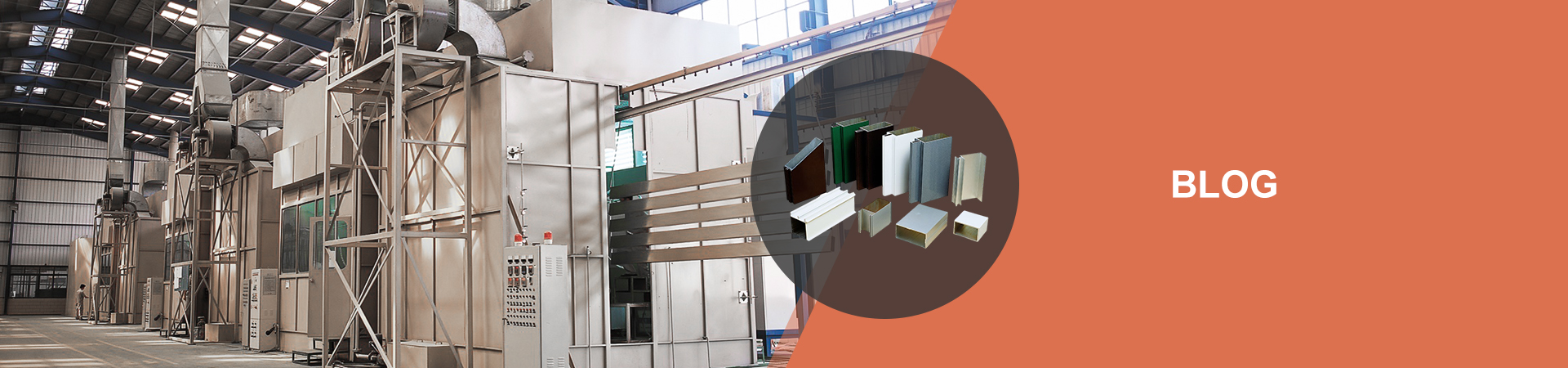
Aluminum track profiles are versatile and durable components used in various applications, including curtain walls, windows, doors, and machinery. When selecting the right track profile for your specific needs, it’s crucial to consider several key features to ensure optimal performance and longevity.
Material Composition
The quality of the aluminum alloy used in the track profile significantly impacts its strength, durability, and corrosion resistance. Look for profiles made from high-quality aluminum alloys, such as 6063-T6 or 6061-T6, which offer excellent strength-to-weight ratios and resistance to bending, denting, and warping.
Dimensions and Shape
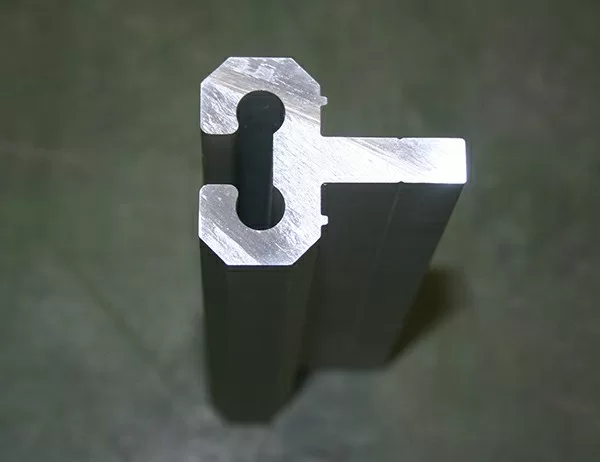
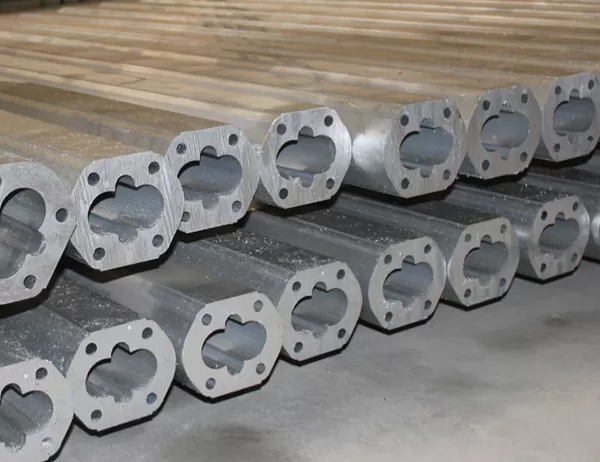
The dimensions and shape of the track profile will directly affect its functionality and compatibility with your application. Consider the width, height, and length of the profile to ensure it fits the intended space. Additionally, pay attention to the shape of the profile, which can vary from simple U-channels to complex multi-chambered designs. The shape influences factors such as load-bearing capacity, ease of installation, and aesthetics.
Surface Treatment
The surface treatment of the track profile can enhance its durability, corrosion resistance, and overall appearance. Look for profiles with anodized or powder-coated finishes. Anodizing creates a protective oxide layer on the aluminum surface, increasing its resistance to wear, corrosion, and fading. Powder coating provides a thicker, more durable finish that is resistant to chips, scratches, and environmental factors.
Strength and Rigidity
The strength and rigidity of the track profile are crucial for ensuring its ability to withstand loads and maintain structural integrity. Look for profiles with thick walls and internal reinforcing ribs. These features increase the profile’s resistance to bending, twisting, and deformation, making it suitable for demanding applications.
Precision and Tolerances
Precision and tight tolerances are essential for seamless installation and smooth operation. Ensure that the track profile has accurate dimensions and tolerances to fit precisely into the intended space. This reduces the risk of binding, misalignment, or premature failure.
Compatibility and Accessories
Consider the compatibility of the track profile with your existing or planned components. Look for profiles that are designed to work with specific accessories, such as roller carriages, mounting brackets, and end caps. This ensures a secure and functional installation that meets your specific requirements.
Cost and Availability
Finally, it’s important to consider the cost and availability of the track profile. Choose profiles that offer a balance between quality, performance, and affordability. Research different manufacturers and suppliers to find the best combination of price and availability for your project.
By carefully considering these key features when selecting aluminum track profiles, you can ensure that you choose a product that meets your specific needs and provides optimal performance, durability, and value.