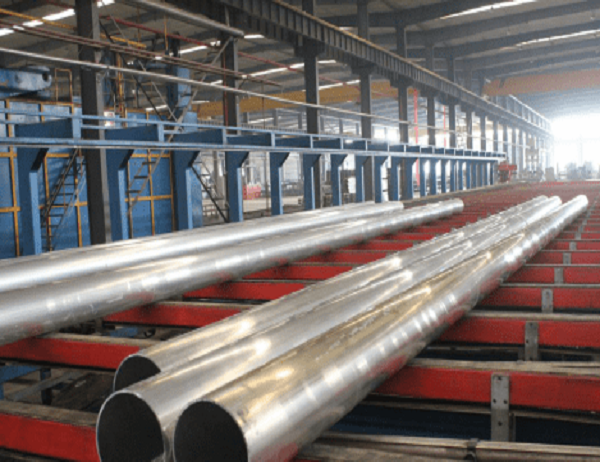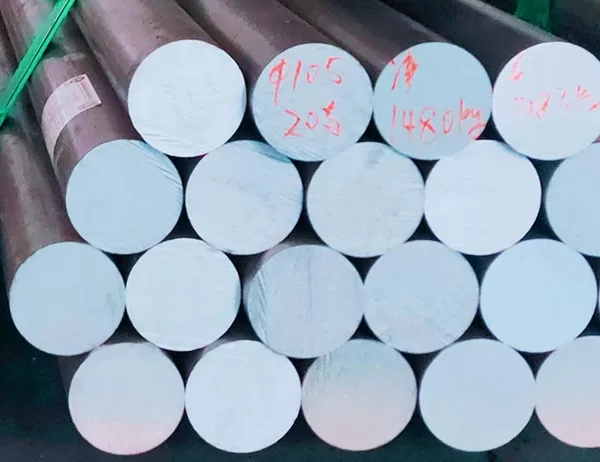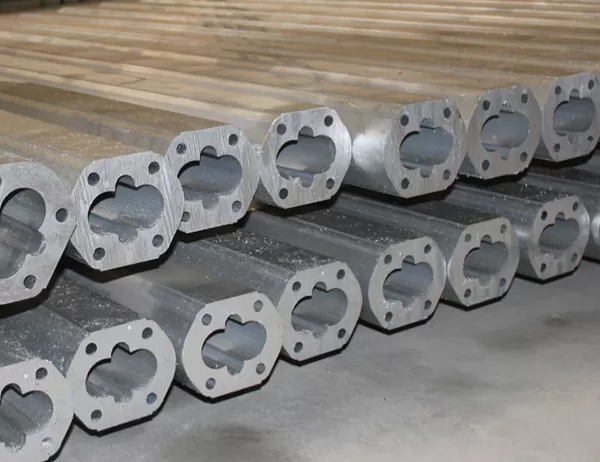
Aluminum alloy pipes have gained significant popularity in various industries due to their exceptional properties and cost-effectiveness compared to traditional alternatives. This article explores the cost-effective advantages of aluminum alloy pipes in comparison to other materials.
Aluminum alloy pipes are highly resistant to corrosion, making them ideal for applications where exposure to harsh chemicals or environments is common. Unlike steel pipes, aluminum pipes do not rust, eliminating the need for costly protective coatings or maintenance. This corrosion resistance translates into substantial savings over the long term by reducing replacement and repair expenses.
Aluminum alloy pipes are significantly lighter than steel pipes, resulting in reduced transportation and installation costs. Their lighter weight simplifies handling, reducing labor expenses and potential safety concerns associated with heavy pipelifting. Additionally, the lower weight of aluminum pipes can lead to savings in structural support requirements, further reducing overall project costs.
Aluminum alloy pipes possess an impressive strength-to-weight ratio, enabling them to withstand high loads without excessive weight. This characteristic allows for the use of thinner pipe walls, resulting in material cost savings while maintaining structural integrity. Compared to steel pipes, aluminum alloy pipes can provide equivalent strength at a fraction of the weight, offering significant savings in material consumption and weight-related expenses.
Aluminum alloy pipes are highly durable and long-lasting. Their corrosion resistance and inherent strength ensure a long service life, minimizing replacement costs. Unlike plastic pipes, aluminum pipes are not subject to degradation from exposure to sunlight or chemicals, ensuring their integrity over an extended period. This durability translates into reduced maintenance costs and greater overall value over the lifecycle of the piping system.
Aluminum alloy pipes have excellent thermal conductivity, making them ideal for heat transfer applications. Their ability to conduct heat effectively reduces energy consumption and operating costs. Compared to steel pipes, aluminum alloy pipes can transfer heat more efficiently, leading to potential savings in heating and cooling systems.
Aluminum alloy pipes are 100% recyclable, contributing to their overall cost-effectiveness and sustainability. Recycling aluminum pipes reduces the need for raw material extraction and energy consumption associated with production. The scrap value of aluminum alloy pipes further enhances their economic viability by offsetting replacement costs.
The cost-effectiveness of aluminum alloy pipes compared to alternatives is evident in numerous aspects, including corrosion resistance, lightweight nature, high strength-to-weight ratio, durability, energy efficiency, and recyclability. By selecting aluminum alloy pipes over traditional materials, businesses and individuals can achieve substantial savings in initial investment, maintenance, and replacement costs, while also contributing to sustainability and environmental preservation.