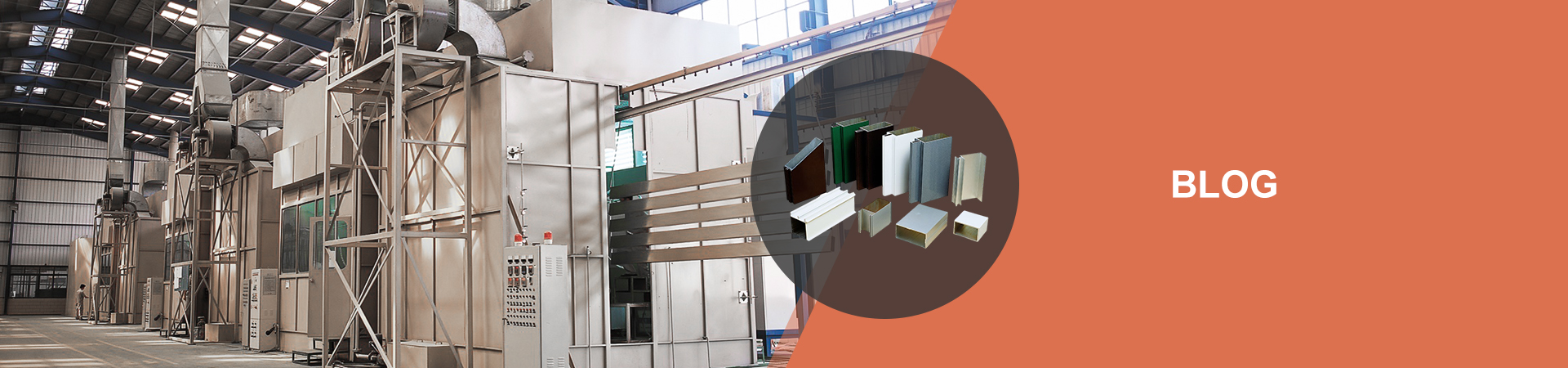
Outdoor furniture endures harsh weather conditions, making durability a crucial factor in selecting the right pieces. The ongoing debate between aluminum furniture profiles and traditional wood frames often centers on their ability to withstand the elements and maintain their aesthetic appeal. This article delves into the intricacies of this debate, exploring the strengths and weaknesses of both materials.
Aluminum furniture profiles excel in resisting moisture, corrosion, and fading. Their nonporous surface repels water and prevents rust, ensuring longevity in humid or coastal environments. Unlike wood, aluminum does not decay or warp, maintaining its structural integrity even after prolonged exposure to rain or saltwater.
Traditional wood, while naturally durable, is susceptible to rot and decay in moist conditions. Exposure to water can cause wood to swell, crack, and become vulnerable to wood-boring insects. Regular waterproofing treatments are necessary to extend the lifespan of wooden furniture in harsh environments.
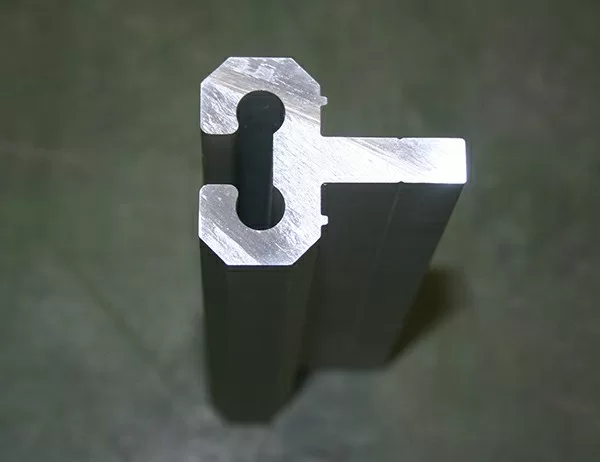
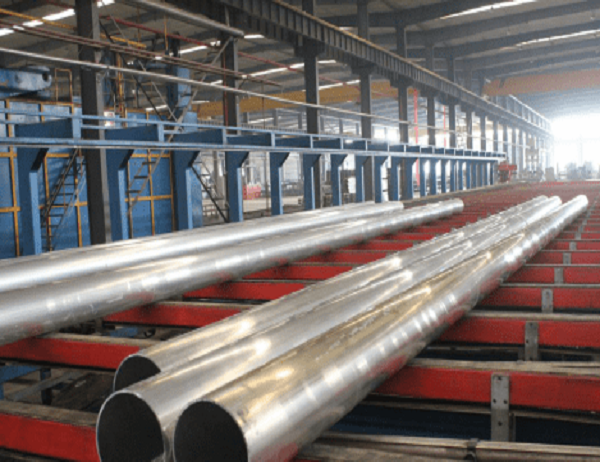
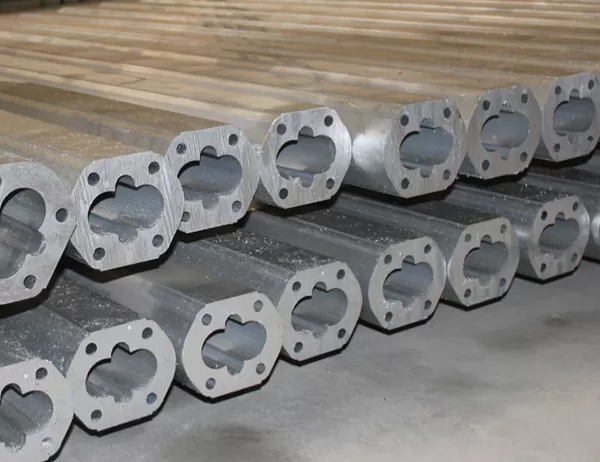
Aluminum furniture profiles are known for their high strength and durability. The lightweight metal offers exceptional strength-to-weight ratio, enabling the creation of furniture pieces that are simultaneously sturdy and portable. Aluminum profiles are often extruded, which further enhances their strength and resistance to bending or twisting.
Traditional wood possesses varying levels of strength depending on the species and construction methods. Hardwoods, such as teak or mahogany, provide superior strength and durability, but they are also heavier and more expensive. Softer woods, like pine or cedar, are more susceptible to warping, scratches, and dents.
Aluminum furniture profiles require minimal maintenance. Their non-porous surface is easy to clean with soap and water, and it does not require sealing or staining. Aluminum’s resistance to corrosion and fading further reduces the need for regular upkeep.
Traditional wood requires more regular maintenance to maintain its appearance and durability. Regular cleaning, sealing, and staining are essential to protect the wood from water damage, UV rays, and insect infestation. The type of wood and the frequency of use will determine the specific maintenance requirements.
Both aluminum furniture profiles and traditional wood offer a wide range of design options. Aluminum furniture can be painted or anodized in various colors, allowing for customization to match any outdoor decor. Aluminum’s modern and sleek appearance complements contemporary settings.
Traditional wood furniture brings a classic elegance to outdoor spaces. Natural wood grains and finishes provide a timeless aesthetic that blends seamlessly with nature. The choice between aluminum and wood depends on personal preferences and the overall style of the outdoor environment.
Aluminum furniture profiles have a lower environmental impact compared to traditional wood. Aluminum is recyclable, reducing waste and conserving natural resources. The manufacturing process of aluminum furniture also generates fewer emissions than wood production.
Traditional wood furniture, while derived from renewable resources, can contribute to deforestation when sourced from unsustainable practices. Responsible wood sourcing and reforestation efforts are essential to minimize the environmental impact of wooden furniture.
In conclusion, the durability debate between aluminum furniture profiles and traditional wood hinges on various factors, including resistance to weathering, structural strength, maintenance requirements, aesthetic appeal, and environmental impact. Aluminum furniture excels in resisting moisture, corrosion, and fading, while traditional wood offers a classic aesthetic and natural durability. The optimal choice depends on individual preferences, outdoor conditions, and sustainability considerations.