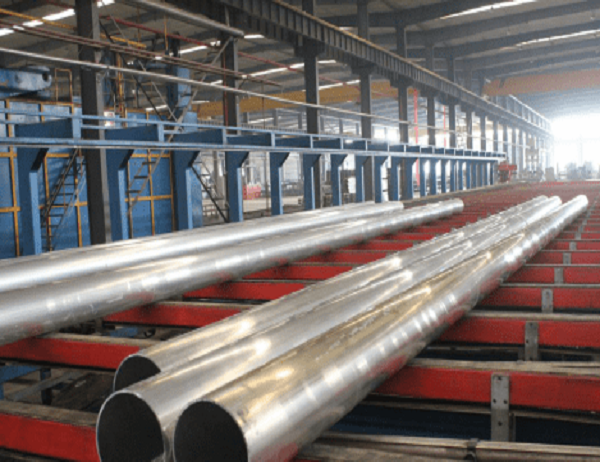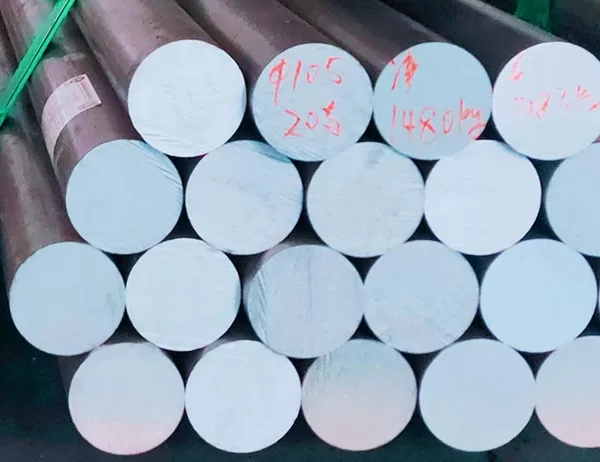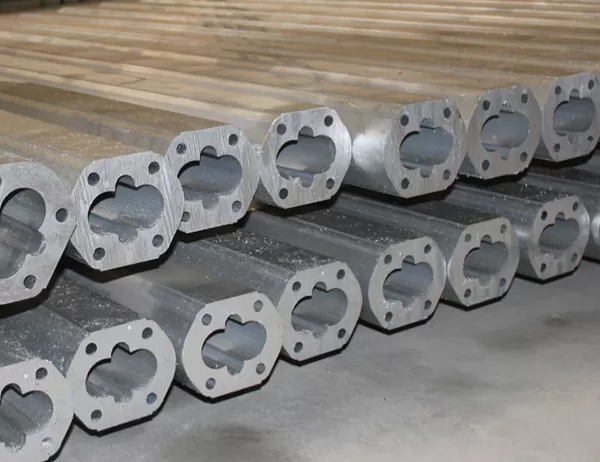
In recent years, aluminum alloy pipes have gained popularity due to their exceptional properties and environmental benefits. Unlike traditional steel pipes, aluminum alloys offer a unique combination of strength, corrosion resistance, and eco-friendly attributes, making them an ideal choice for various industrial and residential applications. This article will delve into the environmental advantages of using aluminum alloy pipes, exploring their contributions to sustainability and resource conservation.
Lightweight and Energy-Efficient
Aluminum alloys are renowned for their low density, which significantly reduces the weight of pipelines compared to steel counterparts. This lightweight nature not only erleichtert transportation and installation but also minimizes energy consumption during operation. The lower weight of aluminum alloy pipes translates into reduced fuel consumption for pumping fluids, resulting in lower carbon emissions and a smaller environmental footprint.
Durable and Corrosion-Resistant
Aluminum alloys exhibit excellent corrosion resistance, making them highly durable in diverse environments. Unlike steel pipes, which are susceptible to rust, aluminum alloy pipes are immune to corrosion, ensuring a longer service life without costly maintenance or replacements. The extended lifespan of aluminum alloy pipes reduces waste generation and contributes to material sustainability.
High Strength and Seismic Resilience
Aluminum alloys possess high strength-to-weight ratios, making them suitable for demanding applications where durability and structural integrity are critical. In regions prone to seismic activity, aluminum alloy pipes offer superior seismic resistance compared to steel pipes. Their lightweight and ductile nature allows them to withstand earthquake forces without compromising their structural stability, minimizing potential damage and ensuring public safety.
Recyclable and Sustainable
Aluminum is a highly recyclable material, and aluminum alloy pipes can be effortlessly recycled at the end of their service life. The recycling process consumes only a fraction of the energy required to produce new aluminum, preserving natural resources and reducing greenhouse gas emissions. Recycled aluminum alloy pipes can be reused in various applications, further promoting circularity and sustainable material management practices.
Low Maintenance and Reduced Environmental Impact
The corrosion resistance and durability of aluminum alloy pipes reduce maintenance requirements, minimizing the use of chemicals and materials typically used for protecting and repairing steel pipes. This reduced maintenance translates into lower environmental impacts associated with manufacturing, transportation, and disposal of maintenance materials, contributing to a cleaner and more sustainable environment.
Conclusion
The environmental benefits of using aluminum alloy pipes are significant and multifaceted. Their lightweight and energy-efficient design, durability, seismic resilience, recyclability, and low maintenance requirements make them an environmentally conscious choice. By embracing aluminum alloy pipes, industries and individuals can play a vital role in promoting sustainability, conserving resources, and reducing their environmental footprint. As the world strives towards a greener future, aluminum alloy pipes emerge as a valuable tool in the pursuit of sustainable infrastructure and resource management.