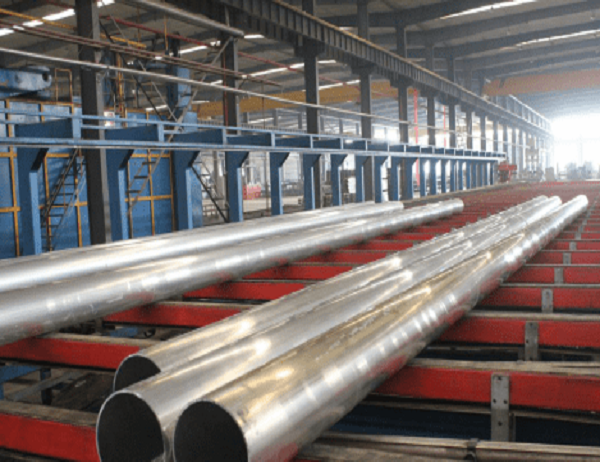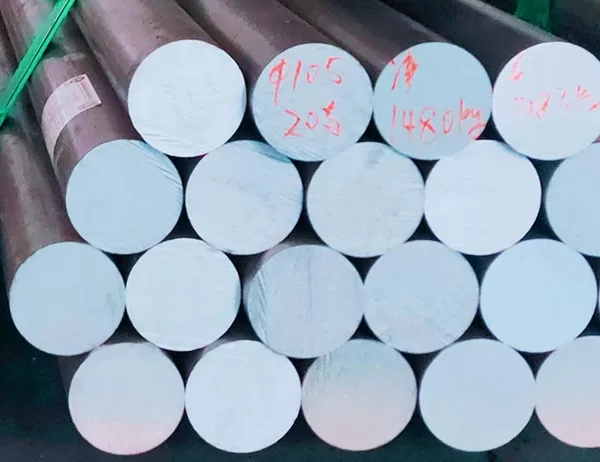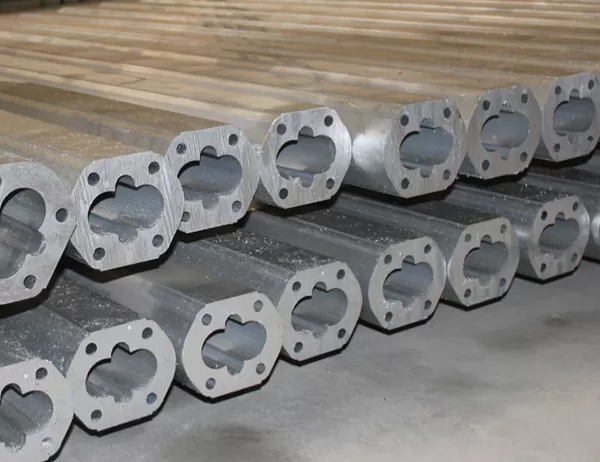
The Environmental Impact of 6101 Aluminum Alloy Production is a comprehensive study that examines the environmental impact of producing 6101 aluminum alloy, commonly used in aerospace and automotive applications. This alloy is known for its strength and lightweight properties, but its production process can have significant consequences for the environment.
Energy Consumption
The production of 6101 aluminum alloy is highly energy-intensive. The primary process, known as electrolytic reduction, requires a large amount of electricity to separate the aluminum from its ore, bauxite. The study found that the energy consumption for producing one ton of 6101 aluminum alloy is approximately 14,000 kWh, which is equivalent to the energy used by an average household for over 10 years.
Greenhouse Gas Emissions
Electrolytic reduction also releases significant amounts of greenhouse gases, primarily carbon dioxide. These emissions contribute to climate change and global warming. The study estimated that the greenhouse gas emissions associated with the production of one ton of 6101 aluminum alloy are approximately 12 tons of carbon dioxide equivalent.
Water Consumption
The production of 6101 aluminum alloy requires a large amount of water. The water is used for cooling, washing, and treating the raw materials. The study found that the water consumption for producing one ton of 6101 aluminum alloy is approximately 5,000 cubic meters, which is enough to fill two Olympic-sized swimming pools.
Waste Generation
The production of 6101 aluminum alloy generates a significant amount of waste. The waste includes spent electrolyte, dross, and sludge. These wastes can contain hazardous materials that can leach into the environment and contaminate soil and water. The study found that the waste generation for producing one ton of 6101 aluminum alloy is approximately 1,000 kilograms.
Air Pollution
The production of 6101 aluminum alloy also releases air pollutants, including particulate matter, sulfur dioxide, and nitrogen oxides. These pollutants can contribute to respiratory problems, heart disease, and other health issues. The study found that the air pollution emissions for producing one ton of 6101 aluminum alloy are approximately 100 kilograms of particulate matter, 50 kilograms of sulfur dioxide, and 20 kilograms of nitrogen oxides.
Mitigation Strategies
The study also identified several mitigation strategies that can be used to reduce the environmental impact of producing 6101 aluminum alloy. These strategies include:
Using renewable energy sources for electrolytic reduction
Improving energy efficiency throughout the production process
Recycling aluminum scrap
Treating and disposing of waste properly
Implementing air pollution control technologies
By implementing these mitigation strategies, manufacturers can reduce the environmental impact of producing 6101 aluminum alloy without compromising its performance or cost-effectiveness.