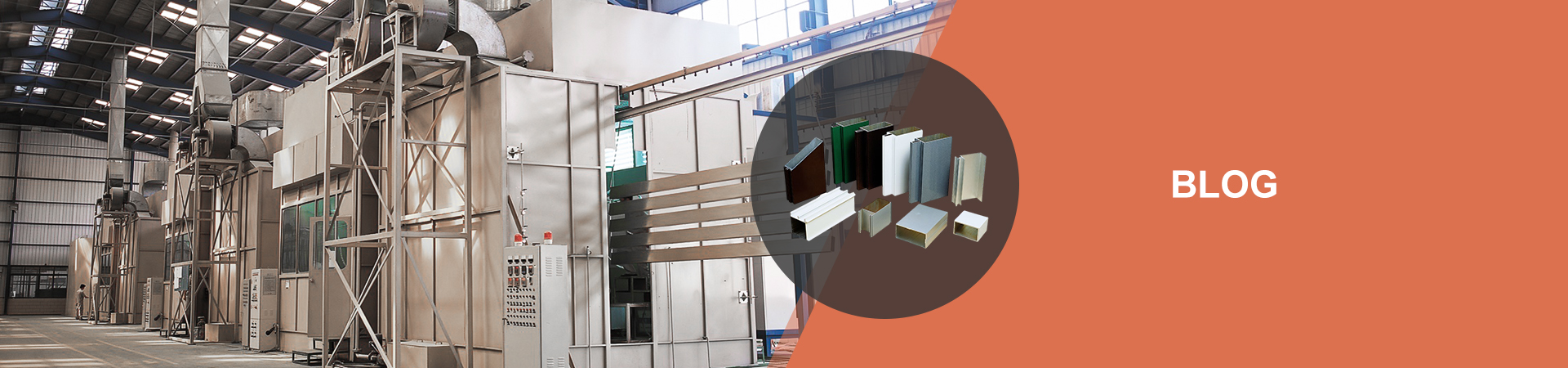
Aluminum profiles, widely used in wardrobe construction, have raised environmental concerns due to their production and disposal practices. This article delves into the specific environmental impacts of aluminum profiles and explores sustainable wardrobe solutions that minimize these negative effects.
Aluminum profiles are primarily made of aluminum, an energy-intensive metal to extract and process. The energy required for aluminum production contributes significantly to greenhouse gas emissions, with carbon dioxide being the main culprit. Mining bauxite, the primary aluminum ore, also alters landforms and damages ecosystems.
The manufacturing process of aluminum profiles requires substantial energy, primarily electricity. The smelting and extrusion processes involved in shaping the profiles consume high amounts of electricity, further contributing to greenhouse gas emissions and the depletion of non-renewable energy resources.
Aluminum profiles generate waste during production and disposal. The manufacturing process produces scrap metal, which may not always be recycled efficiently. Discarded aluminum profiles end up in landfills, where they can leach harmful chemicals into the environment. Additionally, the coatings and finishes applied to profiles can release volatile organic compounds, contributing to air pollution.
To mitigate the environmental impact of aluminum profiles, sustainable wardrobe solutions are crucial. These solutions prioritize eco-friendly materials, responsible production practices, and efficient waste management.
Wardrobes made from recycled aluminum profiles reduce the demand for newly mined aluminum. Recycled aluminum requires significantly less energy to produce compared to virgin aluminum, thereby reducing greenhouse gas emissions and preserving natural resources.
Selecting durable and long-lasting wardrobes made from high-quality aluminum profiles minimizes the need for frequent replacements and reduces waste. Durable designs ensure that wardrobes can withstand wear and tear over an extended period, reducing their environmental impact by prolonging their lifespan.
Proper waste management practices are essential to minimize the environmental impact of discarded aluminum profiles. Recycling programs should be implemented to recover and reuse aluminum from old wardrobes, preventing them from ending up in landfills. Responsible disposal methods reduce environmental pollution and promote circular economy principles.
The environmental impact of aluminum profiles highlights the need for sustainable wardrobe solutions. By prioritizing recycled materials, durable construction, and responsible waste management, individuals can contribute to minimizing the environmental footprint of their wardrobe choices. Embrace sustainable practices to create functional and eco-conscious wardrobe systems that promote both style and environmental well-being.