Introduction
The escalating climate crisis has prompted a global shift towards renewable energy sources, with solar energy emerging as a pivotal player. However, the construction of solar farms involves the use of substantial amounts of materials, including aluminum, which raises concerns about its environmental impact. This article examines the environmental impact of aluminum solar frames and explores sustainable practices to minimize their footprint.
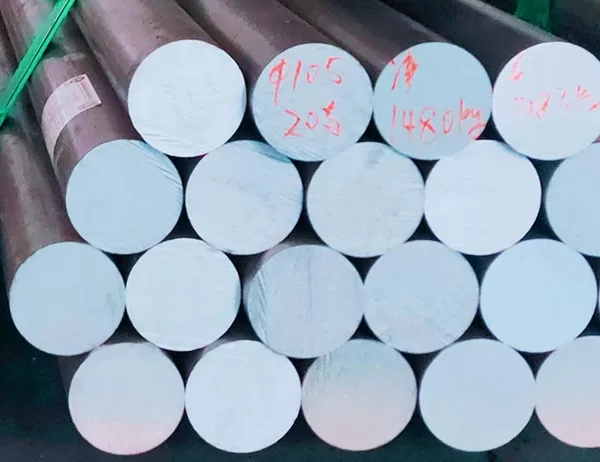
Aluminum production is an energy-intensive process that emits significant greenhouse gases. The mining and processing of bauxite, the main raw material for aluminum, releases carbon dioxide and other pollutants. Moreover, electricity generation for aluminum smelting is often reliant on fossil fuels, exacerbating its environmental footprint.
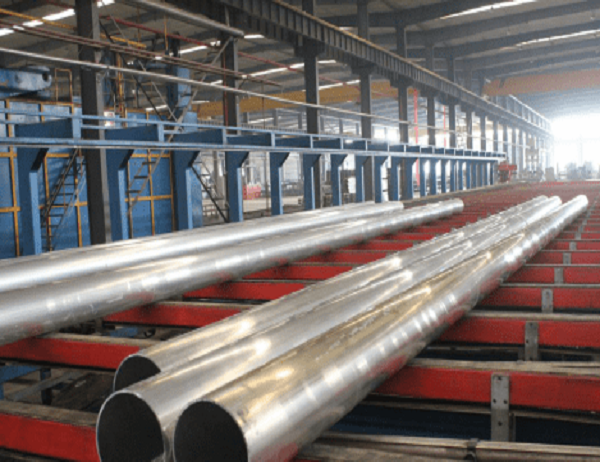
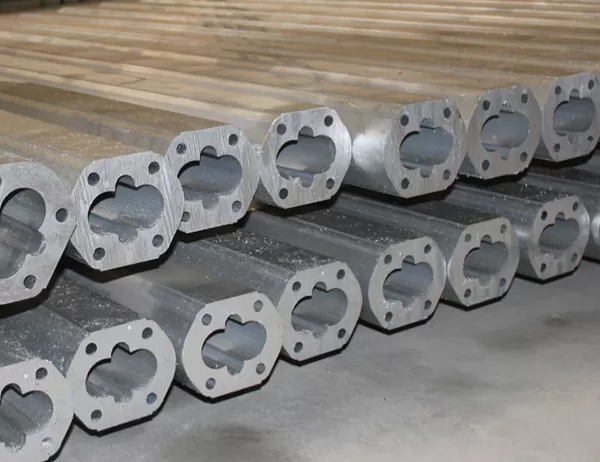
Aluminum is widely used in solar frame construction due to its strength, durability, and light weight. It provides structural support for solar panels, ensuring their longevity and functionality. However, the production of aluminum frames contributes to the overall environmental impact of solar farms.
To mitigate the environmental impact of aluminum solar frames, sustainable practices can be implemented throughout their lifecycle.
Optimizing the design of solar frames can reduce the amount of aluminum required. Innovative engineering solutions can explore alternative materials or structural configurations that maintain the necessary strength while minimizing material use.
Aluminum is a highly recyclable material, and recycling rates can significantly reduce its environmental footprint. Establishing efficient recycling programs for discarded solar frames can recover valuable materials and prevent them from ending up in landfills.
Exploring alternative materials for solar frames, such as steel or recycled plastics, can reduce the dependence on aluminum. These materials offer comparable strength and durability while minimizing the carbon footprint associated with aluminum production.
The environmental impact of aluminum solar frames needs careful consideration in the development of sustainable solar energy systems. By implementing sustainable practices throughout the lifecycle of these frames, we can minimize their environmental footprint and harness the full potential of solar energy without compromising our commitment to a cleaner future.