Extruded Aluminum Tubes: Weighing the Environmental Impact
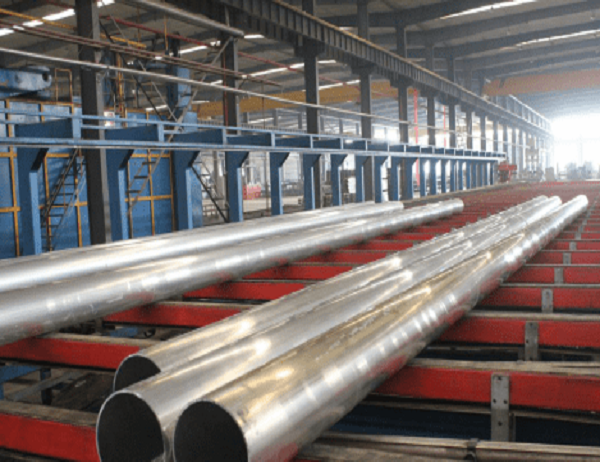
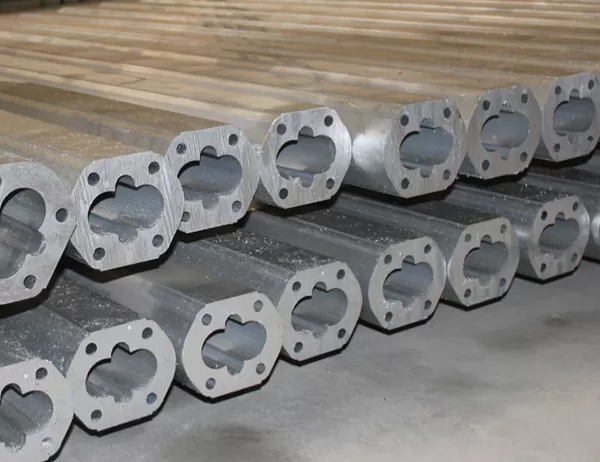
In the realm of engineered materials, extruded aluminum tubes stand as a beacon of strength and versatility. Their widespread use in industries ranging from construction to transportation has raised pivotal questions regarding their environmental footprint.
Aluminum Extraction and Processing
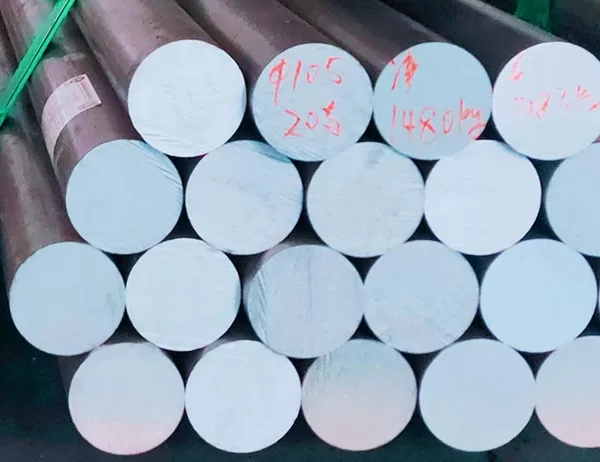
The extraction of aluminum from bauxite ore involves a multifaceted process that consumes significant energy and releases greenhouse gases. Notably, the production of each ton of aluminum emits roughly 15 tons of carbon dioxide. Additionally, the energy-intensive smelting process generates sulfur dioxide and other pollutants, contributing to air and water pollution.
Environmental Benefits
Despite these environmental concerns, extruded aluminum tubes offer certain redeeming qualities. Their intrinsic durability and resistance to corrosion make them ideal for long-lasting applications, reducing the need for frequent replacements and the associated environmental burden. Furthermore, aluminum is highly recyclable, with approximately 75% of the metal being recovered and reused in new products. Recycling aluminum requires only a fraction of the energy needed for primary production, significantly reducing its environmental impact.
Life Cycle Analysis
To comprehensively assess the environmental impact of extruded aluminum tubes, a life cycle analysis is essential. This approach considers the entire life cycle of the product, from raw material extraction to end-of-life disposal. By evaluating each stage of the production process, scientists can identify areas for improvement and optimize sustainability.
Sustainable Innovations
Recognizing the environmental challenges posed by aluminum production, researchers are actively exploring sustainable innovations. Alternative extraction and processing techniques, such as molten salt electrolysis, hold promise for reducing energy consumption and emissions. Additionally, the development of high-strength aluminum alloys enables the use of less material, further minimizing the environmental footprint.
Conclusion
While the environmental impact of extruded aluminum tubes is not insignificant, their durability, recyclability, and potential for sustainable innovations mitigate their negative effects. Through continuous research and development, the environmental profile of these versatile materials can be further enhanced, ensuring their responsible use in a sustainable future.