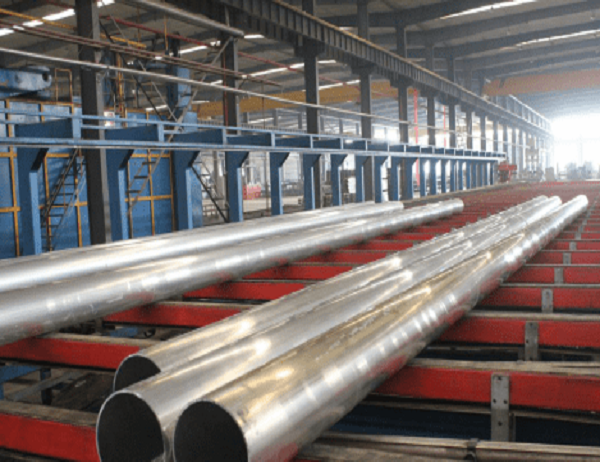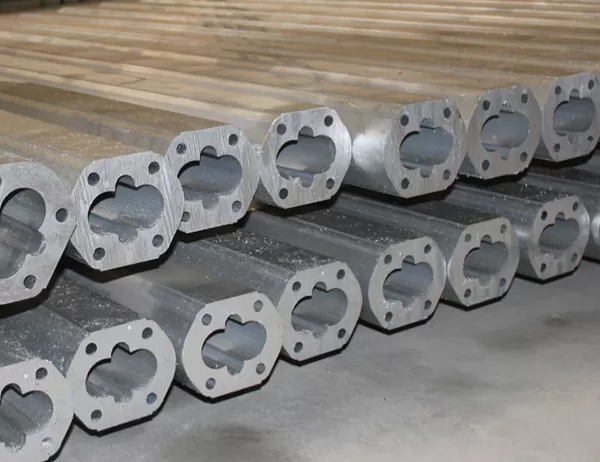
In the realm of industrial manufacturing, where innovation and environmental consciousness intertwine, extruded aluminum tubes stand as a testament to both technological advancements and the need for sustainability. Their sleek, lightweight properties render them indispensable for a myriad of applications, from construction to transportation. However, their production and use also raise concerns regarding their ecological footprint.
Environmental Impacts
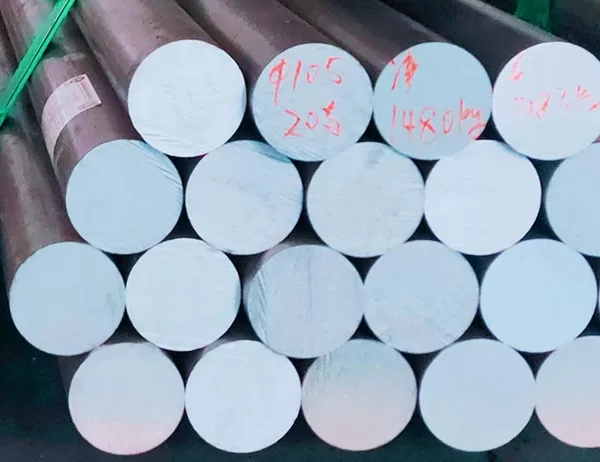
The extrusion process, which involves forcing molten aluminum through a die to create hollow tubes, consumes significant energy and releases greenhouse gases. Moreover, the raw material, bauxite, is extracted through mining, a process that disrupts ecosystems and pollutes water sources. The subsequent refining process further adds to the environmental burden.
Sustainable Practices
Recognizing the urgency of mitigating these impacts, manufacturers have embraced sustainable practices throughout the extruded aluminum tube lifecycle.
Recyclability: Aluminum is highly recyclable, offering up to 95% energy savings compared to producing it from raw materials. Closed-loop recycling systems ensure that used tubes are diverted from landfills and re-injected into the manufacturing process.
Energy Efficiency: Technological advancements have led to more energy-efficient extrusion processes. Electric induction furnaces and closed-loop cooling systems reduce energy consumption by up to 20%.
Sustainable Sourcing: Manufacturers are sourcing bauxite from certified mines that adhere to environmental and social standards. Responsible mining practices minimize environmental degradation and ensure the well-being of local communities.
Benefits of Sustainable Aluminum Tubes
The adoption of sustainable practices not only reduces the environmental impact but also offers numerous benefits for manufacturers and consumers alike.
Cost Savings: Energy-efficient production and closed-loop recycling lower operating costs.
Enhanced Product Quality: Sustainable practices ensure that extruded aluminum tubes meet the highest quality standards, reducing the likelihood of defects or premature failure.
Improved Brand Reputation: Consumers are increasingly opting for products that align with their environmental values. Sustainable aluminum tubes bolster brand reputation and attract environmentally conscious customers.
Conclusion
Extruded aluminum tubes play a crucial role in modern society. By embracing sustainable practices, manufacturers can mitigate the environmental impacts of their production and use. Recyclability, energy efficiency, and sustainable sourcing ensure that these versatile tubes continue to meet the demands of a growing population while protecting the planet for future generations.