Introduction:
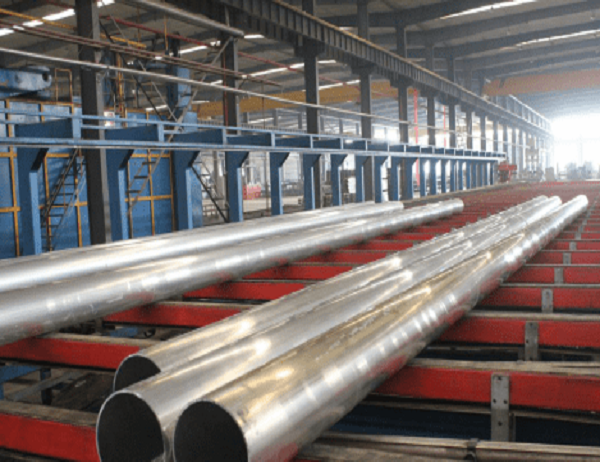
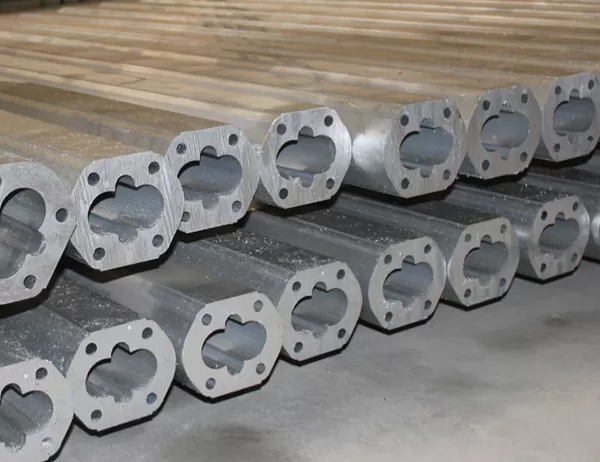
In the modern world, the use of extruded aluminum tubes has become ubiquitous. From sleek building facades to lightweight automotive components, these versatile tubes offer a host of advantages. However, beneath their seemingly innocuous exterior lies a hidden environmental threat that demands our attention.
Greenhouse Gas Emissions:
The production of extruded aluminum tubes contributes significantly to greenhouse gas emissions. According to the Aluminum Association, the global aluminum industry accounts for approximately 2% of worldwide carbon dioxide (CO2) emissions. The electrolysis process, used to extract aluminum from its ore, is highly energy-intensive and releases large amounts of CO2 into the atmosphere.
Pollution:
In addition to greenhouse gases, the manufacturing of extruded aluminum tubes also generates air, water, and soil pollution. Dust and particulate matter from the mining and processing operations can contaminate the environment and pose health risks to nearby communities. Furthermore, the discharge of wastewater and the disposal of hazardous byproducts can impact aquatic ecosystems and soil quality.
Depletion of Natural Resources:
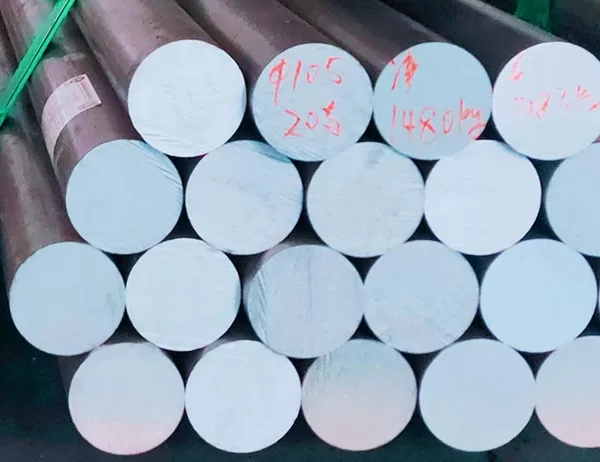
Extruded aluminum tubes are primarily made from bauxite, a mineral ore that is finite and non-renewable. The mining of bauxite often involves extensive land clearing, deforestation, and the displacement of indigenous populations. The extraction process also requires large amounts of energy and water, further straining natural resources.
Waste Generation:
The use of extruded aluminum tubes also contributes to waste generation. Once their useful life is over, these tubes often end up in landfills, where they can leach harmful chemicals into the environment. Recycling aluminum is possible, but the process is energy-intensive and not always economically viable.
Conclusion:
The environmental impact of extruded aluminum tubes is a serious concern that requires urgent attention. While these tubes offer many advantages, their production and disposal come at a significant cost to the planet. By promoting sustainable alternatives, investing in renewable energy sources, and implementing comprehensive recycling programs, we can mitigate the environmental impact of this essential material. Only through collective action can we ensure a greener future for generations to come.