Introduction
Aluminum track profiles have become increasingly prevalent in various industries due to their versatility, strength, lightweight nature, and aesthetic appeal. Over the years, these profiles have undergone significant evolution, expanding their applications in diverse sectors. This article delves into the multifaceted evolution of aluminum track profiles, exploring their advancements, applications, and future prospects.
Technological Advancements
Extrusion Techniques
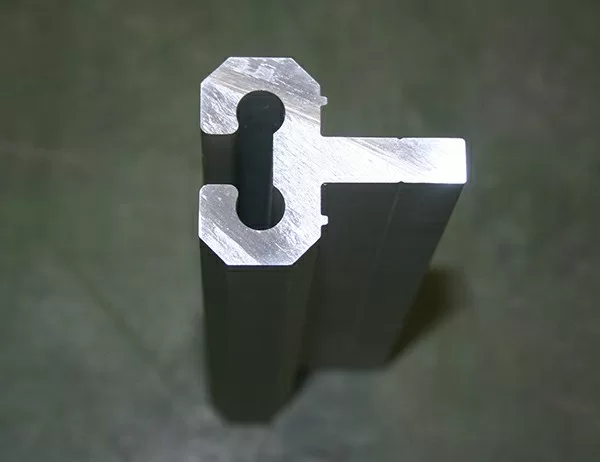
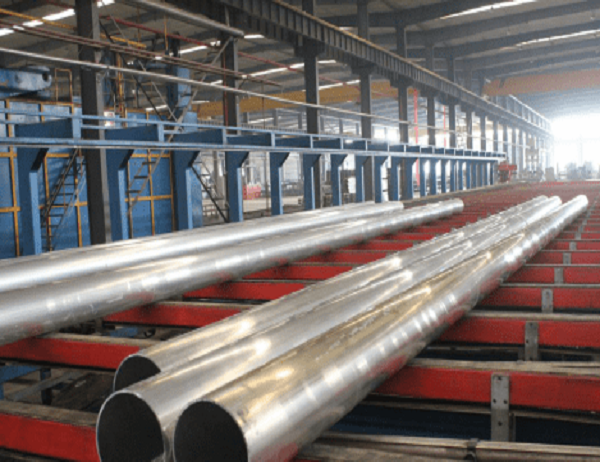
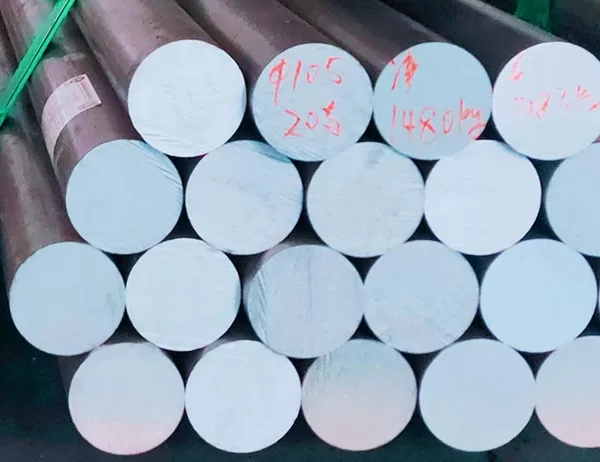
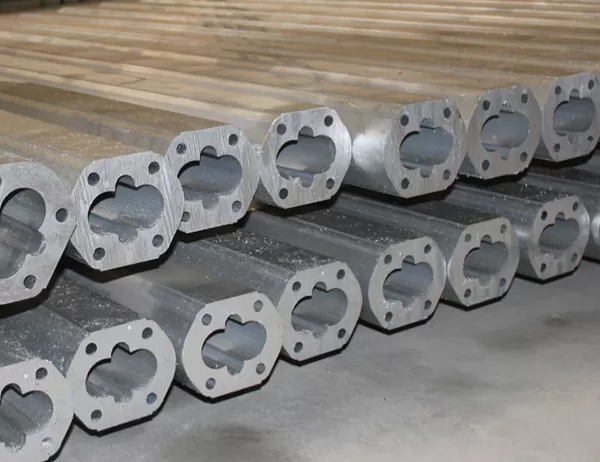
Advances in extrusion technology have played a crucial role in the evolution of aluminum track profiles. Sophisticated extrusion processes now allow for complex shapes, precise dimensions, and intricate designs to be achieved. These profiles provide improved structural integrity, optimal performance, and enhanced aesthetics.
Surface Treatments
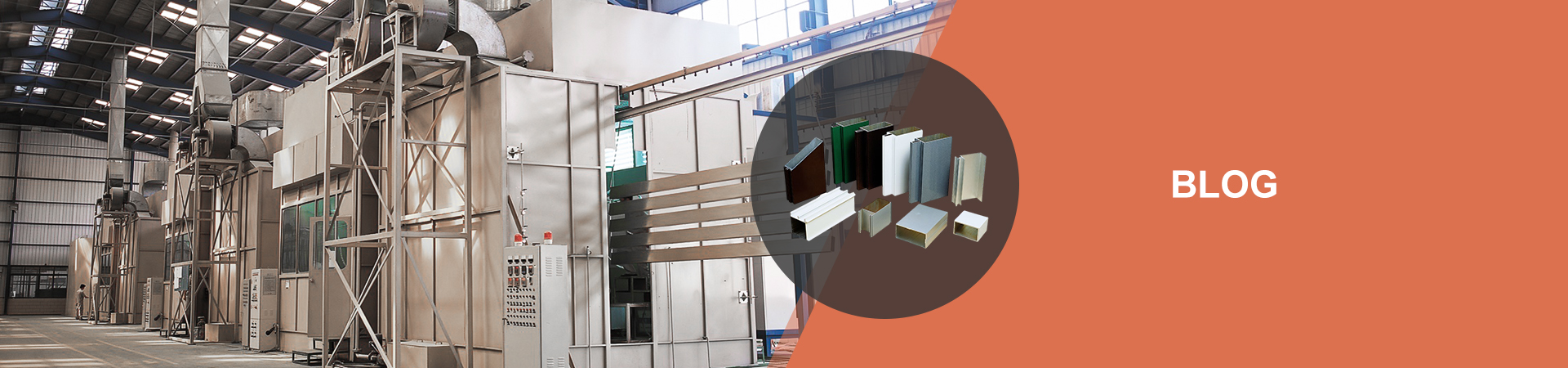
The development of advanced surface treatments has further expanded the functionality of aluminum track profiles. Anodizing, powder coating, and thermal painting enhance their corrosion resistance, wear resistance, and aesthetic value. These treatments cater to specific application requirements, extending the lifespan and aesthetic appeal of the profiles.
Application Expansion
Building and Construction
Aluminum track profiles are widely used in building and construction for framing, curtain walls, window and door systems, and roofing. Their lightweight, strength-to-weight ratio, and durability make them ideal for structures that require high performance and longevity.
Transportation
In the transportation industry, aluminum track profiles are utilized for chassis frames, cargo management systems, and interior fittings in vehicles, trains, and airplanes. Their lightweight properties contribute to fuel efficiency, while their strength ensures structural integrity in demanding environments.
Industrial Applications
Aluminum track profiles find applications in various industries, including automation, manufacturing, and machinery. Their versatility and durability make them suitable for conveyor systems, workbenches, and other industrial equipment.
Architectural and Design
Architects and designers incorporate aluminum track profiles into a wide range of aesthetic structures. Their sleek profiles, customizable finishes, and ability to integrate lighting and ventilation elements enhance the visual appeal and functionality of buildings, interiors, and outdoor spaces.
Future Prospects
The evolution of aluminum track profiles is ongoing, driven by advancements in technology and increasing demand for lightweight, durable, and sustainable materials. The integration of smart technologies, such as sensors and actuators, offers the potential for automated systems and enhanced functionalities. Furthermore, research and development efforts focus on eco-friendly production processes and the use of recyclable materials, promoting sustainability in future applications.
Conclusion
Aluminum track profiles have undergone a remarkable evolution, adapting to meet the demands of diverse industries. Advanced extrusion techniques, surface treatments, and expanded applications have made them essential components in modern constructions, transportation systems, industrial facilities, and architectural designs. The future holds promising prospects for further advancements, with the integration of smart technologies and the pursuit of sustainability shaping the next generation of aluminum track profiles.