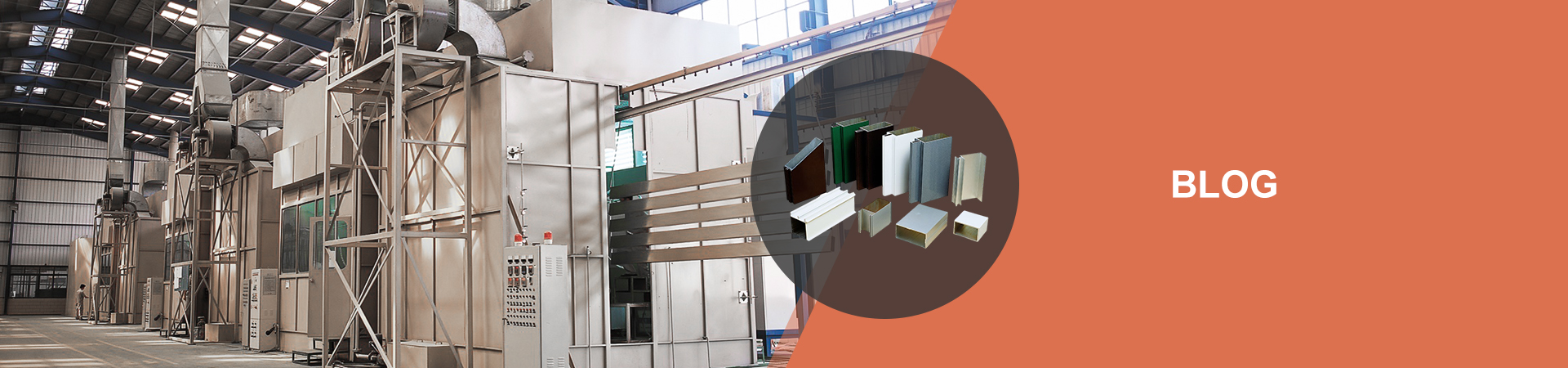
The evolution of extruded aluminum tubes has been a fascinating journey, marked by continuous advancements in design, technology, and applications. From the humble beginnings of simple cylindrical tubes to the sophisticated designs of today, the evolution of extruded aluminum tubes has transformed them into versatile and indispensable components in various industries.
Early Designs: Basic Cylindrical Tubes
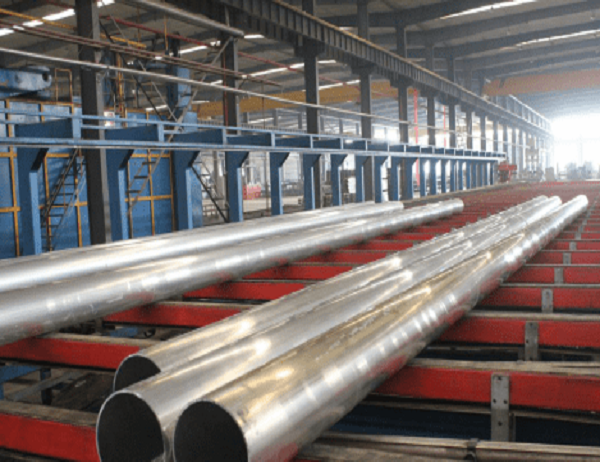
The earliest extruded aluminum tubes were simple cylindrical profiles with uniform cross-sectional areas. These tubes were produced using extrusion techniques that were limited by the technology of the time. The manufacturing process was relatively straightforward, involving forcing molten aluminum through a die with a circular opening. The resulting tubes were characterized by their basic design and limited applications.
Advancements in Design: Shaped and Thick-Walled Tubes
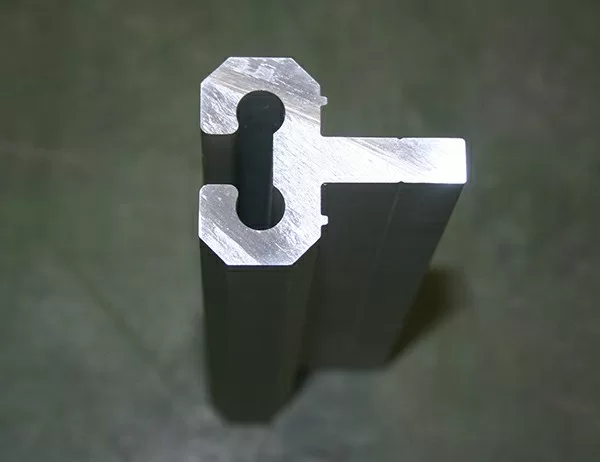
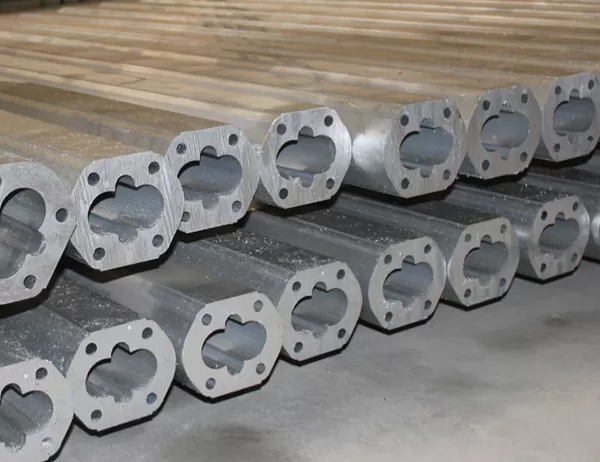
As technology progressed, the design of extruded aluminum tubes evolved to meet the growing demands of various industries. Engineers and designers realized the potential of shaping tubes to achieve specific mechanical properties and aesthetic qualities. Shaped tubes, such as square, rectangular, oval, and hexagonal profiles, were developed to provide greater structural integrity and versatility.
Moreover, the manufacturing techniques were refined to produce tubes with thicker walls. These thick-walled tubes offered improved strength, durability, and resistance to pressure and corrosion. This advancement enabled the use of extruded aluminum tubes in demanding applications, such as aerospace, automotive, and construction.
Innovations in Materials and Manufacturing
The evolution of extruded aluminum tubes was further accelerated by advancements in materials and manufacturing processes. The introduction of high-strength aluminum alloys enhanced the mechanical properties of tubes, allowing for lighter and stronger designs. Specialized extrusion processes, such as cold extrusion and hydroforming, were developed to produce tubes with complex shapes and precise dimensions.
Customization and Versatility
Modern extruded aluminum tubes are highly customizable, offering a wide range of options in terms of dimensions, shapes, alloys, and surface treatments. This versatility enables designers to tailor tubes to meet specific application requirements, maximizing performance and aesthetics. The ability to produce customized tubes has opened up countless possibilities for innovative designs and applications in various industries.
Applications in Diverse Industries
The evolution of extruded aluminum tubes has led to their widespread adoption across diverse industries. They are commonly used in construction for structural support, in automotive for frames and components, in aerospace for lightweight structures, in electronics for heat dissipation, and in packaging for protection and durability. Their exceptional strength-to-weight ratio, corrosion resistance, and design flexibility make them ideal for demanding applications where reliability and performance are crucial.
Conclusion
The evolution of extruded aluminum tubes has been an ongoing journey of innovation, technological advancements, and expanded applications. From the basic cylindrical tubes of the early days to the sophisticated designs and applications of today, extruded aluminum tubes continue to play a vital role in modern engineering, manufacturing, and product design. As technology advances further, the future holds endless possibilities for the evolution and applications of extruded aluminum tubes, paving the way for even more innovative and transformative designs in the years to come.